Asteraceae
Corn Chamomile
Anthemis arvensis
A hardy, low-maintenance annual that needs full sun and well-drained soil. Ideal for wildflower gardens and cutting borders.
Every 7 days
Direct sun
-15° - 28°C
30% - 60%
Categories
What is Corn chamomile?
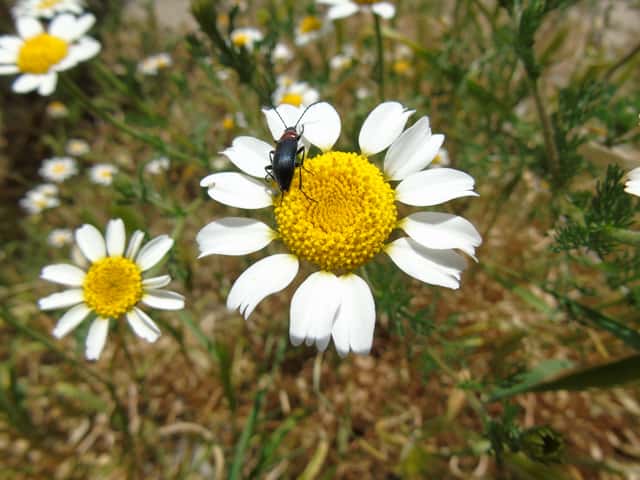
Corn chamomile (Anthemis arvensis) is a easy-care plant from the Asteraceae family. Corn chamomile is an annual plant in the Asteraceae family, native to Europe, commonly found in cereal fields and disturbed ground. It has finely divided, aromatic-looking foliage and produces white daisy-like flower heads with yellow centers, resembling true chamomile though it belongs to a differe...
Corn chamomile grows up to 50cm, spread of 40cm, watering every 7 days, -15°C – 28°C, 30–60% humidity. It is not suitable for indoor environments and safe for pets.
Unlike many tropical plants, Corn chamomile tolerates watering mistakes. Best for beginners. Unlike many popular species, Corn chamomile is safe to keep around pets.
How to Care for Corn chamomile?
TLDR: Corn chamomile needs Direct sun, watering every 7 days, and temperatures between -15-28°C with 30-60% humidity.
How Often Should You Water Corn chamomile?
Water moderately, allowing soil to dry between waterings; tolerates short dry spells once established.
How Much Light Does Corn chamomile Need?
Needs full sun all day; does not grow well in shade.
What Is the Best Soil for Corn chamomile?
Prefers sandy or loamy, well-drained soil with a neutral to alkaline pH.
What Pot Should You Use for Corn chamomile?
Not applicable (garden/bedding plant, typically grown directly in the ground)
What Is Corn chamomile and Where Does It Come From?
Corn chamomile is an annual plant in the Asteraceae family, native to Europe, commonly found in cereal fields and disturbed ground. It has finely divided, aromatic-looking foliage and produces white daisy-like flower heads with yellow centers, resembling true chamomile though it belongs to a different genus.
How to Propagate Corn chamomile?
Direct sowing
Seed germinates best in autumn; avoid overwatering to prevent rot.
- 1 Sow directly in the final location as soon as seed is ripe
- 2 Cover lightly with a thin layer of soil
- 3 Keep soil moist until germination
- 4 Thin seedlings once they have a few true leaves
Materials needed:
How Big Does Corn chamomile Grow?
TLDR: Corn chamomile can reach up to 50cm tall with Medium growth rate.
Max height
50cm
Spread
40cm
Growth rate
Medium
Foliage
Deciduous
Plant Uses
Ornamental
Great for decoration
Medicinal
Medicinal properties
Medicinal Uses
- Traditional use as a febrifuge (flowers and leaves)
Is your plant showing symptoms?
Click on the symptom to discover possible causes:
What Diseases Commonly Affect Corn chamomile?
TLDR: Corn chamomile is susceptible to 3 known diseases. Monitor regularly for early detection.
Aphids
Aphids are small, soft-bodied, pear-shaped insects (1/16 to 1/8 inch long) that feed by sucking nutrient-rich sap from plants. They reproduce rapidly and can quickly weaken plants, causing distorted growth and transmitting plant viruses. Aphids come in various colors including green, black, red, yellow, brown, and gray. They secrete honeydew, a sticky substance that attracts ants and encourages sooty mold growth.
Caterpillars
Caterpillars are the larval stage of moths and butterflies that feed voraciously on plant foliage, stems, flowers, and fruits. Common species include cabbage loopers, tomato hornworms, armyworms, and cutworms. These pests can cause extensive damage by consuming large amounts of plant tissue in a short time. They vary in size from small (1/4 inch) to large (5 inches), with colors ranging from green to brown, often featuring stripes or spots. Caterpillars are highly mobile and can quickly spread throughout gardens, making them one of the most destructive common pests.
Root Rot
Root rot is a serious fungal disease that affects the root system of plants, causing them to decay and die. It is primarily caused by overwatering, poor drainage, or soil-borne fungi such as Pythium, Phytophthora, Rhizoctonia, and Fusarium. The disease thrives in waterlogged conditions where roots are deprived of oxygen, making them susceptible to fungal infection.
Meaning & Symbolism
Symbolizes purity and rustic simplicity, associated with fields and countryside life.
Fun Facts
It is often mistaken for true chamomile but belongs to a different genus (Anthemis, not Matricaria).
It grows naturally in cereal fields and disturbed ground across Europe.
Frequently asked questions
Is corn chamomile toxic to pets?
How often should I water it?
Does it need shade?
Compare with similar plants
| Attribute | Difficulty | Light | Watering | Pet Safe |
|---|---|---|---|---|
| Field Maple | Easy | Bright indirect | 14d | ✓ |
| Silver Birch | Easy | Direct sun | 14d | ✓ |
| Cushion Bush | Easy | Direct sun | 14d | ✓ |
| Wild Lettuce | Medium | Direct sun | 7d | ⚠️ |





