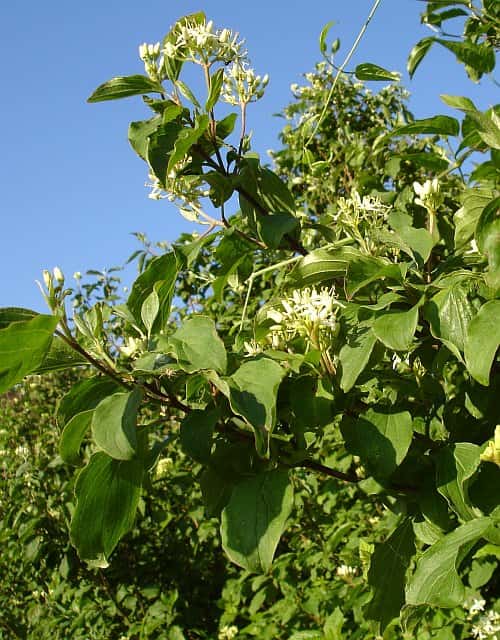
Cornaceae
Dogwood (Cornus) — Complete Care Guide
Cornus
Dogwoods are low-maintenance, hardy ornamental plants suited to temperate gardens. Water moderately, keeping the soil consistently moist but never waterlogged. Plant in full sun to partial shade in well-drained, slightly acidic soil. Apply a balanced fertiliser in early spring. Prune annually in late winter to maintain shape, remove dead wood, and — for stem-colour species — encourage bright new growth.
Every 7 days
Bright indirect
-20° - 35°C
40% - 70%
Categories
What is Dogwood?
Dogwood (Cornus) is a medium-care plant from the Cornaceae family. Cornus, commonly known as dogwood, is a genus of approximately 60 species of flowering shrubs and small trees belonging to the family Cornaceae. Native primarily to the Northern Hemisphere, dogwoods are celebrated for their spectacular spring blossoms — the showy "petals" are actually modified leave...
Dogwood grows up to 12.0m, spread of 1200cm, watering every 7 days, -20°C – 35°C, 40–70% humidity. It is not suitable for indoor environments and not safe for pets.
Without precautions, ingestion can cause irritation in pets. Keep out of reach of cats and dogs.
How to Care for Dogwood?
TLDR: Dogwood needs Bright indirect, watering every 7 days, and temperatures between -20-35°C with 40-70% humidity.
How Often Should You Water Dogwood?
Water dogwoods deeply every 7 days during spring and summer, reducing frequency in autumn and winter. Allow the top 2–3 cm of soil to dry slightly between waterings. Avoid overwatering — waterlogged soil leads to root rot. Young trees need more consistent moisture during establishment.
How Much Light Does Dogwood Need?
Dogwoods thrive in full sun to partial shade. Most species prefer 4–6 hours of direct sunlight daily. In hot climates, afternoon shade protects leaves from scorching. Woodland species like Cornus canadensis prefer dappled light under taller trees.
What Is the Best Soil for Dogwood?
Plant dogwoods in loamy, well-drained soil enriched with organic matter. A slightly acidic pH of 5.5–6.5 is ideal. Amend heavy clay soils with compost or grit to improve drainage and prevent root rot. Mulching around the base helps retain moisture and regulate soil temperature.
What Pot Should You Use for Dogwood?
Large terracotta or wooden planter with drainage holes for compact varieties. A minimum pot diameter of 45 cm is recommended. Most dogwood species are best grown in-ground.
Care Schedule
Fertilize
Every 90 days
What Is Dogwood and Where Does It Come From?
Cornus, commonly known as dogwood, is a genus of approximately 60 species of flowering shrubs and small trees belonging to the family Cornaceae. Native primarily to the Northern Hemisphere, dogwoods are celebrated for their spectacular spring blossoms — the showy "petals" are actually modified leaves (bracts) surrounding small true flowers — their stunning autumn foliage, and their ornamental winter stems in vivid red, yellow, or green. Species range from low groundcovers to trees reaching 12 metres, making them versatile additions to gardens, woodland edges, and landscape borders.
How Big Does Dogwood Grow?
TLDR: Dogwood can reach up to 12.0m tall with Medium growth rate.
Max height
12.0m
Spread
12.0m
Growth rate
Medium
Foliage
Deciduous
Warning: Toxic Plant
This plant can be toxic if ingested. Keep out of reach of:
Plant Uses
Ornamental
Great for decoration
Is your plant showing symptoms?
Click on the symptom to discover possible causes:
What Diseases Commonly Affect Dogwood?
TLDR: Dogwood is susceptible to 8 known diseases. Monitor regularly for early detection.
Anthracnose
Anthracnose is a fungal disease caused by fungi in the genus Colletotrichum that affects many plants, including vegetables, fruits, and trees. The disease thrives in cool, wet conditions, causing dark, sunken lesions on leaves, stems, flowers, and fruits.
Powdery Mildew
Powdery mildew is a common fungal disease caused by various fungi species including Erysiphe, Podosphaera, Oïdium, and Leveillula. It affects over 10,000 plant species worldwide. The disease thrives in warm, dry climates with high humidity and appears as a distinctive white powdery coating on plant surfaces.
Septoria Leaf Spot
Septoria leaf spot is a destructive fungal disease caused by Septoria lycopersici, particularly devastating during seasons of moderate temperature and abundant rainfall. The disease starts on lower leaves and progresses upward, causing small circular spots with tan to gray centers and dark brown margins. If left untreated, it can dramatically reduce plant yields and cause complete leaf blight.
Canker
Canker is a disease caused by various fungi and bacteria that create necrotic, sunken areas on bark of branches, stems, and trunks. Pathogens enter through wounds and natural openings, especially when plants are stressed. Canker can gradually weaken or kill branches by disrupting water and nutrient flow.
Meaning & Symbolism
In American tradition, the dogwood tree (Cornus florida) is a powerful symbol of spring and renewal. Christian folklore associates it with Easter. Dogwoods appear as state trees and flowers in Virginia and New Jersey, and the genus plays an important ecological role as wildlife food and habitat.
Fun Facts
The showy "petals" of most dogwood flowers are not petals at all — they are modified leaves called bracts. The actual flowers are tiny and clustered in the centre.
Cornelian cherry (Cornus mas) has been cultivated for over 5,000 years; its tart red fruits are used in jams, syrups, and liqueurs across Eastern Europe and the Middle East.
Cornus florida is the state tree of New Jersey and the state flower of Virginia and North Carolina.
Some species of dogwood, especially Cornus sericea and Cornus alba, are grown primarily for their vivid red or yellow winter stems, which are most colourful on young growth.
Frequently asked questions
Is dogwood easy to grow?
When does dogwood bloom?
Are dogwood berries poisonous?
Compare with similar plants
| Attribute | Difficulty | Light | Watering | Pet Safe |
|---|---|---|---|---|
| Dark Fieldcap | Medium | Low light | 2d | ⚠️ |
| Azalea | Medium | Partial shade | 3d | ⚠️ |
| Bougainvillea | Medium | Direct sun | 7d | ⚠️ |
| Wild Lettuce | Medium | Direct sun | 7d | ⚠️ |



