Cucurbitaceae
Squash & Pumpkin (Cucurbita): Complete Growing Guide
Cucurbita
Cucurbita thrives in warm conditions with full sun exposure, well-draining fertile soil, and regular watering. Plant after the last frost when soil temperature reaches at least 60°F (15°C). Provide consistent moisture and fertilize every two weeks during the growing season. Allow adequate space as vining varieties spread extensively. Harvest fruits regularly to encourage continued production throughout the season.
Every 3 days
Direct sun
15° - 35°C
40% - 70%
Categories
What is Squash?
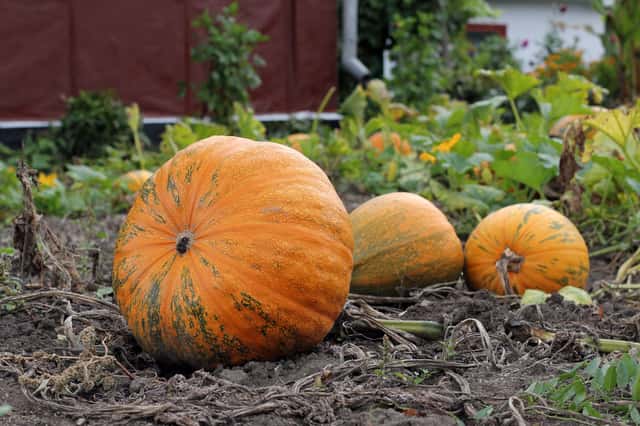
Squash (Cucurbita) is a medium-care plant from the Cucurbitaceae family. Cucurbita is a genus of herbaceous vines and bushy plants in the family Cucurbitaceae, native to the Americas. It encompasses a remarkable diversity of edible crops including summer squash, winter squash, pumpkins, zucchini, and decorative gourds. The genus features large, bright yellow or orange fl...
Squash grows up to 5.0m, spread of 300cm, watering every 3 days, 15°C – 35°C, 40–70% humidity. It is not suitable for indoor environments and safe for pets.
Unlike many popular species, Squash is safe to keep around pets.
How to Care for Squash?
TLDR: Squash needs Direct sun, watering every 3 days, and temperatures between 15-35°C with 40-70% humidity.
How Often Should You Water Squash?
Water every 2-3 days in warm weather, ensuring the soil stays evenly moist but never waterlogged. Water at the base of the plant to reduce the risk of fungal diseases on the foliage. Reduce watering during rainy periods. Consistent moisture is especially critical during flowering and fruit development.
How Much Light Does Squash Need?
Cucurbita requires full sun — a minimum of 8 hours of direct sunlight daily. In partial shade, plants will grow but produce significantly fewer fruits. Choose an open, unobstructed location that receives sun from morning through late afternoon for best results.
What Is the Best Soil for Squash?
Plant in rich, well-draining soil with a pH between 6.0 and 7.5. Amend the planting bed with generous amounts of compost or aged manure before planting. Avoid compacted clay soils as poor drainage promotes root rot and fungal diseases.
What Pot Should You Use for Squash?
In-ground garden beds are ideal; for bush varieties, use large containers at least 60 cm in diameter with excellent drainage. Vining types need ample ground space or sturdy trellises.
Care Schedule
Fertilize
Every 14 days
What Is Squash and Where Does It Come From?
Cucurbita is a genus of herbaceous vines and bushy plants in the family Cucurbitaceae, native to the Americas. It encompasses a remarkable diversity of edible crops including summer squash, winter squash, pumpkins, zucchini, and decorative gourds. The genus features large, bright yellow or orange flowers and fruits that vary enormously in shape, size, and color. Cultivated for over 10,000 years, Cucurbita species are among the most important food crops in the world, valued for their nutritious flesh, edible seeds, and versatile culinary applications.
How to Propagate Squash?
Direct Seed Sowing
Direct sow in the final growing location as Cucurbita does not transplant well. Soil temperature must be at least 15°C for good germination.
- 1 Prepare the soil with compost and organic fertilizer
- 2 Sow seeds 2-3 cm deep in hills spaced 1-2 meters apart
- 3 Keep soil moist until germination occurs
- 4 Thin seedlings to 2-3 plants per hill after emergence
Materials needed:
How Big Does Squash Grow?
TLDR: Squash can reach up to 5.0m tall with Fast growth rate.
Max height
5.0m
Spread
3.0m
Growth rate
Fast
Foliage
Deciduous
Plant Uses
Edible
Can be consumed
Ornamental
Great for decoration
Medicinal Uses
- Pumpkin seeds have traditional anthelmintic (deworming) properties
- Rich in beta-carotene with antioxidant and anti-inflammatory benefits
Culinary Uses
- Roasted, steamed, or pureed fruit flesh in soups and stews
- Toasted seeds (pepitas) as a nutritious snack
- Edible flowers stuffed or battered and fried
- Young leaves sauteed as a vegetable
- Zucchini grilled or eaten raw in salads
Is your plant showing symptoms?
Click on the symptom to discover possible causes:
What Diseases Commonly Affect Squash?
TLDR: Squash is susceptible to 11 known diseases. Monitor regularly for early detection.
Powdery Mildew
Powdery mildew is a common fungal disease caused by various fungi species including Erysiphe, Podosphaera, Oïdium, and Leveillula. It affects over 10,000 plant species worldwide. The disease thrives in warm, dry climates with high humidity and appears as a distinctive white powdery coating on plant surfaces.
Root Rot
Root rot is a serious fungal disease that affects the root system of plants, causing them to decay and die. It is primarily caused by overwatering, poor drainage, or soil-borne fungi such as Pythium, Phytophthora, Rhizoctonia, and Fusarium. The disease thrives in waterlogged conditions where roots are deprived of oxygen, making them susceptible to fungal infection.
Anthracnose
Anthracnose is a fungal disease caused by fungi in the genus Colletotrichum that affects many plants, including vegetables, fruits, and trees. The disease thrives in cool, wet conditions, causing dark, sunken lesions on leaves, stems, flowers, and fruits.
Fusarium Wilt
Fusarium wilt is a serious fungal disease caused by the soil-borne fungus Fusarium oxysporum. The fungus invades roots and blocks the water-conducting vessels (xylem) of the plant, causing progressive wilting and eventual death. Host-specific forms of the pathogen exist that attack different plant species.
Meaning & Symbolism
Squash and pumpkins are powerful symbols of harvest, abundance, and the autumn season. In North America, the pumpkin is iconic in Halloween traditions and Thanksgiving celebrations, representing the bounty of the earth and gratitude for the harvest.
Fun Facts
Cucurbita pepo has been cultivated for over 10,000 years, making it one of the oldest domesticated plants in the Americas
A single squash vine can produce dozens of fruits in a single growing season
Cucurbita flowers are monoecious — male and female flowers grow on the same plant but must be cross-pollinated
Pumpkin seeds (pepitas) are nutritional powerhouses rich in zinc, magnesium, and antioxidants
Frequently asked questions
How often should I water squash plants?
Why is my squash flowering but not producing fruit?
How much sun does squash need?
Is squash toxic to pets?
When should I harvest squash?
Compare with similar plants
| Attribute | Difficulty | Light | Watering | Pet Safe |
|---|---|---|---|---|
| Dark Fieldcap | Medium | Low light | 2d | ⚠️ |
| Azalea | Medium | Partial shade | 3d | ⚠️ |
| Bougainvillea | Medium | Direct sun | 7d | ⚠️ |
| Wild Lettuce | Medium | Direct sun | 7d | ⚠️ |



