Amaryllidaceae
Blood Lily (Scadoxus multiflorus)
Scadoxus multiflorus
Moderate-care plant: provide bright indirect light, regular watering during active growth, and almost no water in winter. Use well-draining, organic-rich soil. All parts are toxic — handle with gloves.
Every 10 days
Bright indirect
10° - 28°C
50% - 70%
Categories
What is Blood Lily?
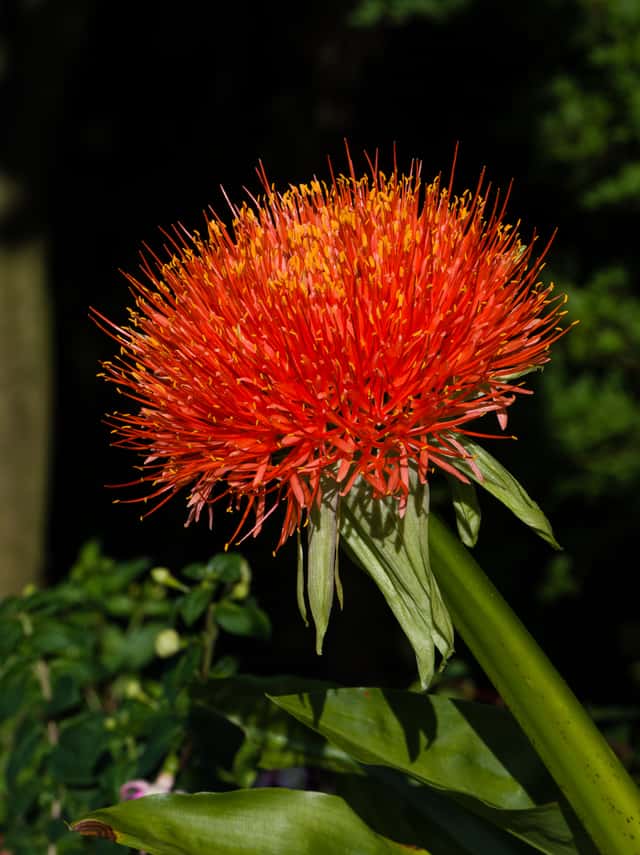
Blood Lily (Scadoxus multiflorus) is a medium-care plant from the Amaryllidaceae family. The Blood Lily (Scadoxus multiflorus) is a spectacular bulbous plant native to sub-Saharan Africa, celebrated for its globe-shaped scarlet flower heads that can contain up to 200 individual blooms and reach 20 cm in diameter. It grows from a rhizomatous bulb, producing broad decorative leaves. The p...
Blood Lily grows up to 90cm, spread of 60cm, watering every 10 days, 10°C – 28°C, 50–70% humidity. It is suitable for indoor environments and not safe for pets.
Without precautions, ingestion can cause irritation in pets. Keep out of reach of cats and dogs. Without adequate drainage, root rot can develop within 20 days.
How to Care for Blood Lily?
TLDR: Blood Lily needs Bright indirect, watering every 10 days, and temperatures between 10-28°C with 50-70% humidity.
How Often Should You Water Blood Lily?
Water generously during spring and summer, keeping the soil evenly moist but never waterlogged. During winter dormancy, drastically reduce watering to allow the bulb to rest.
How Much Light Does Blood Lily Need?
Thrives in bright, indirect light or dappled shade. Avoid harsh direct afternoon sun which can scorch the leaves. An east or north-facing window is ideal for indoor plants.
What Is the Best Soil for Blood Lily?
Use a rich, well-draining potting mix. A blend of organic compost, coarse sand, and loam in equal parts works well. Aim for a pH of 5.5–6.5.
What Pot Should You Use for Blood Lily?
Terracotta or ceramic pot with a large drainage hole. Blood Lily blooms best when slightly root-bound, so do not overpot.
Care Schedule
Fertilize
Every 30 days
Repot
Every 730 days
What Is Blood Lily and Where Does It Come From?
The Blood Lily (Scadoxus multiflorus) is a spectacular bulbous plant native to sub-Saharan Africa, celebrated for its globe-shaped scarlet flower heads that can contain up to 200 individual blooms and reach 20 cm in diameter. It grows from a rhizomatous bulb, producing broad decorative leaves. The plant enters winter dormancy before putting on a striking floral display in spring and summer.
How Big Does Blood Lily Grow?
TLDR: Blood Lily can reach up to 90cm tall with Slow growth rate.
Max height
90cm
Spread
60cm
Growth rate
Slow
Foliage
Deciduous
Warning: Toxic Plant
This plant can be toxic if ingested. Keep out of reach of:
Plant Uses
Ornamental
Great for decoration
Medicinal
Medicinal properties
Medicinal Uses
- Used in traditional African medicine in topical preparations and healing rituals
Is your plant showing symptoms?
Click on the symptom to discover possible causes:
What Diseases Commonly Affect Blood Lily?
TLDR: Blood Lily is susceptible to 9 known diseases. Monitor regularly for early detection.
Root Rot
Root rot is a serious fungal disease that affects the root system of plants, causing them to decay and die. It is primarily caused by overwatering, poor drainage, or soil-borne fungi such as Pythium, Phytophthora, Rhizoctonia, and Fusarium. The disease thrives in waterlogged conditions where roots are deprived of oxygen, making them susceptible to fungal infection.
Mealybugs
Mealybugs are small, soft-bodied insects covered with a white, waxy, cottony material. They are common pests of houseplants and outdoor plants in mild climates. These sap-sucking insects feed on plant tissue, causing damage, stunted growth, and can lead to plant death if left untreated. They produce sticky honeydew which attracts sooty mold.
Spider Mites
Spider mites are tiny arachnids (less than 1/20 inch long) related to spiders and ticks that feed on plant sap. They thrive in hot, dry conditions and can cause significant damage to ornamental and vegetable plants. During severe infestations, crop losses can reach 14% or higher as these pests disrupt vital plant processes including photosynthesis, carbon dioxide absorption, and transpiration.
Botrytis
Meaning & Symbolism
In African cultures, the Blood Lily symbolizes passion, vitality, and spiritual protection. Its vivid scarlet blooms are associated with life force and healing power.
Fun Facts
A single Blood Lily flower head can contain up to 200 individual tiny flowers packed into a globe-shaped umbel 20 cm across.
In Africa, the plant was historically used to poison arrows and as a fish poison — hence the dramatic name "Blood Lily".
During winter the bulb goes into full dormancy and may shed all its leaves — this is completely normal, not a sign the plant is dying.
Frequently asked questions
Is Blood Lily toxic to pets?
Why is my Blood Lily not flowering?
How often should I water the Blood Lily?
Compare with similar plants
| Attribute | Difficulty | Light | Watering | Pet Safe |
|---|---|---|---|---|
| Azalea | Medium | Partial shade | 3d | ⚠️ |
| Wild Lettuce | Medium | Direct sun | 7d | ⚠️ |
| Cape Primrose | Medium | Partial shade | 7d | ✓ |
| Honey Locust | Medium | Direct sun | 14d | ✓ |