Grossulariaceae
Blackcurrant – How to Grow, Care For and Harvest
Ribes nigrum
Plant in full sun to partial shade in fertile, well-drained soil. Water regularly during the growing season, keeping soil consistently moist. Fertilise each spring with a balanced feed and prune out one-third of the oldest stems after fruiting to encourage vigorous new growth.
Every 8 days
Bright indirect
-30° - 35°C
50% - 75%
Categories
What is Blackcurrant?
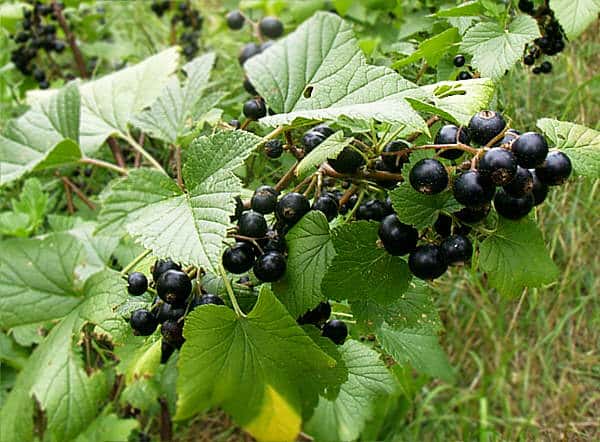
Blackcurrant (Ribes nigrum) is a easy-care plant from the Grossulariaceae family. Blackcurrant (Ribes nigrum) is a deciduous shrub native to temperate parts of central and northern Europe and northern Asia. It produces small, glossy black berries in pendant clusters, renowned for their exceptionally high vitamin C content and intense tart flavour. Widely grown for culinary and me...
Blackcurrant grows up to 1.5m, spread of 150cm, watering every 8 days, -30°C – 35°C, 50–75% humidity. It is not suitable for indoor environments and safe for pets.
Unlike many tropical plants, Blackcurrant tolerates watering mistakes. Best for beginners. Unlike many popular species, Blackcurrant is safe to keep around pets.
How to Care for Blackcurrant?
TLDR: Blackcurrant needs Bright indirect, watering every 8 days, and temperatures between -30-35°C with 50-75% humidity.
How Often Should You Water Blackcurrant?
Water every 7-10 days, ensuring the soil stays evenly moist but not waterlogged. During hot spells, increase frequency. In winter dormancy, significantly reduce watering as the plant requires much less moisture.
How Much Light Does Blackcurrant Need?
Thrives in full sun to partial sun, requiring at least 6 hours of direct sunlight daily. South or south-west facing positions maximise fruit production. It tolerates partial shade but yields will be reduced.
What Is the Best Soil for Blackcurrant?
Prefers moisture-retentive, fertile loamy soil with good drainage and a pH of 6.5-7.5. Enrich with well-rotted compost before planting and apply a thick mulch around the base annually to retain moisture and suppress weeds.
What Pot Should You Use for Blackcurrant?
Wide, deep terracotta or treated timber container with excellent drainage, minimum 40 cm diameter.
Care Schedule
Fertilize
Every 90 days
Repot
Every 365 days
What Is Blackcurrant and Where Does It Come From?
Blackcurrant (Ribes nigrum) is a deciduous shrub native to temperate parts of central and northern Europe and northern Asia. It produces small, glossy black berries in pendant clusters, renowned for their exceptionally high vitamin C content and intense tart flavour. Widely grown for culinary and medicinal purposes, it thrives in cool climates with cold winters.
How Big Does Blackcurrant Grow?
TLDR: Blackcurrant can reach up to 1.5m tall with Medium growth rate.
Max height
1.5m
Spread
1.5m
Growth rate
Medium
Foliage
Deciduous
Plant Uses
Edible
Can be consumed
Medicinal
Medicinal properties
Ornamental
Great for decoration
Medicinal Uses
- Rich in vitamin C, anthocyanins and flavonoids with anti-inflammatory properties
- Used in syrups and tinctures for colds, flu and immune system support
- Leaf and berry extracts have antioxidant and diuretic properties
Culinary Uses
- Berries used in jams, jellies, juices, cordials, liqueurs and syrups
- Key ingredient in cassis liqueur and classic kir cocktails
- Fresh or frozen berries in desserts, yoghurts, smoothies and baked goods
Is your plant showing symptoms?
Click on the symptom to discover possible causes:
What Diseases Commonly Affect Blackcurrant?
TLDR: Blackcurrant is susceptible to 13 known diseases. Monitor regularly for early detection.
Powdery Mildew
Powdery mildew is a common fungal disease caused by various fungi species including Erysiphe, Podosphaera, Oïdium, and Leveillula. It affects over 10,000 plant species worldwide. The disease thrives in warm, dry climates with high humidity and appears as a distinctive white powdery coating on plant surfaces.
Aphids
Aphids are small, soft-bodied, pear-shaped insects (1/16 to 1/8 inch long) that feed by sucking nutrient-rich sap from plants. They reproduce rapidly and can quickly weaken plants, causing distorted growth and transmitting plant viruses. Aphids come in various colors including green, black, red, yellow, brown, and gray. They secrete honeydew, a sticky substance that attracts ants and encourages sooty mold growth.
Botrytis
Gray Mold (Botrytis Blight)
Gray mold, caused by the fungus Botrytis cinerea, is a widespread necrotrophic pathogen affecting over 1,400 plant species. It thrives in cool, humid conditions and attacks weakened or aging plant tissues, causing soft rot and characteristic gray fuzzy growth.
Meaning & Symbolism
In European folk tradition, the blackcurrant symbolises vitality, abundance, and the healing generosity of nature. Its dark, jewel-like berries have long been associated with strength and fortitude through harsh winters.
Fun Facts
Blackcurrant berries contain up to 4 times more vitamin C than oranges by weight.
Cassis liqueur, made from blackcurrants, is one of the most popular liqueurs in France.
The plant is exceptionally frost-hardy, surviving temperatures below -20°C during dormancy.
A single fruiting cluster (strig) can hold between 6 and 30 individual berries.
Frequently asked questions
When do blackcurrants ripen?
Do blackcurrants need pruning?
Are blackcurrants toxic to pets?
Compare with similar plants
| Attribute | Difficulty | Light | Watering | Pet Safe |
|---|---|---|---|---|
| Field Maple | Easy | Bright indirect | 14d | ✓ |
| Silver Birch | Easy | Direct sun | 14d | ✓ |
| Rose Campion | Easy | Direct sun | 10d | ✓ |
| Cushion Bush | Easy | Direct sun | 14d | ✓ |