Ophioglossaceae
Bulbous Adder's-tongue: Medicinal Uses & Care Tips
Ophioglossum crotalophoroides
High-difficulty plant: requires slightly moist sandy soil, intact native mycorrhizal fungi, and does not tolerate soil disturbance. It is ephemeral and disappears after sporulation—this is normal, not a sign of disease.
Every 4 days
Partial shade
10° - 32°C
55% - 85%
Categories
What is Bulbous Adder's-tongue?
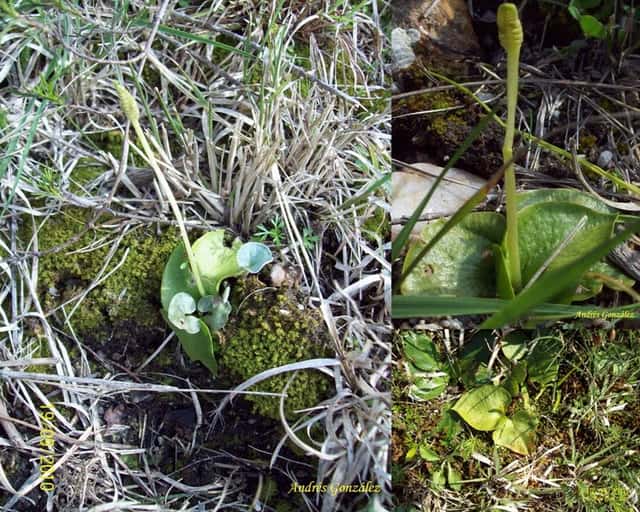
Bulbous Adder's-tongue (Ophioglossum crotalophoroides) is a hard-care plant from the Ophioglossaceae family. Ophioglossum crotalophoroides is a tiny primitive fern (2 to 10 cm tall), with a single oval sterile leaf and a bulbous underground base (rather than a common cylindrical rhizome). It produces an elongated fertile spike resembling a rattlesnake's rattle, the origin of the epithet "crotalophoroides"....
Bulbous Adder's-tongue grows up to 10cm, watering every 4 days, 10°C – 32°C, 55–85% humidity. It is not suitable for indoor environments and safe for pets.
Unlike easy-care plants, Bulbous Adder's-tongue demands constant attention to humidity and light. Not recommended for beginners. Unlike many popular species, Bulbous Adder's-tongue is safe to keep around pets.
How to Care for Bulbous Adder's-tongue?
TLDR: Bulbous Adder's-tongue needs Partial shade, watering every 4 days, and temperatures between 10-32°C with 55-85% humidity.
How Often Should You Water Bulbous Adder's-tongue?
Keep the soil only slightly moist, never waterlogged; frequent light waterings (every 3-4 days) are better than sporadic large volumes. Excess water promotes root rot.
How Much Light Does Bulbous Adder's-tongue Need?
Tolerates filtered full sun to partial shade, such as in open lawns and field edges; avoid constant dense shade and intense direct sun in hot climates.
What Is the Best Soil for Bulbous Adder's-tongue?
Prefers sandy soil with good drainage and a slightly acidic to neutral pH (6.0-7.0). Do not replace the native soil: the mycorrhizal fungi present in it are essential for the plant's survival.
What Pot Should You Use for Bulbous Adder's-tongue?
Pot cultivation is discouraged due to the dependence on native mycorrhizal fungi; when attempted, use a wide and shallow container with well-drained sandy substrate and a portion of the original collection soil.
What Is Bulbous Adder's-tongue and Where Does It Come From?
Ophioglossum crotalophoroides is a tiny primitive fern (2 to 10 cm tall), with a single oval sterile leaf and a bulbous underground base (rather than a common cylindrical rhizome). It produces an elongated fertile spike resembling a rattlesnake's rattle, the origin of the epithet "crotalophoroides". It is ephemeral, appearing in spring (sporulating from March to June in the Northern Hemisphere) and disappearing shortly after. It occurs in disturbed lawns, open fields, and sandy soils of the southeastern United States. Like the entire Ophioglossaceae family, it depends closely on soil mycorrhizal fungi to germinate and develop, making it virtually impossible to cultivate outside its natural habitat.
How to Propagate Bulbous Adder's-tongue?
Spore Propagation
- Do not use sterilized substrate: native mycorrhizal fungi are indispensable.
- Patience is essential—the life cycle is very slow and the success rate outside the natural habitat is low.
- 1 Spore Collection
Harvest the fertile spike between March and June, when the sporangia begin to open and release powder.
- 2 Sowing
Spread the spores over a sample of native sandy soil, preserving the mycorrhizal fungi necessary for germination.
- 3 Incubation
Keep in a humid place with filtered light, waiting for the development of the underground prothallus, a naturally very slow process.
Materials needed:
How Big Does Bulbous Adder's-tongue Grow?
TLDR: Bulbous Adder's-tongue can reach up to 10cm tall with Slow growth rate.
Max height
10cm
Growth rate
Slow
Foliage
Deciduous
Plant Uses
Medicinal
Medicinal properties
Medicinal Uses
- Traditional poultice for wounds and boils (folk use, genus level, no clinical studies)
- Traditional topical anti-inflammatory use
Is your plant showing symptoms?
Click on the symptom to discover possible causes:
What Diseases Commonly Affect Bulbous Adder's-tongue?
TLDR: Bulbous Adder's-tongue is susceptible to 4 known diseases. Monitor regularly for early detection.
Root Rot
Root rot is a serious fungal disease that affects the root system of plants, causing them to decay and die. It is primarily caused by overwatering, poor drainage, or soil-borne fungi such as Pythium, Phytophthora, Rhizoctonia, and Fusarium. The disease thrives in waterlogged conditions where roots are deprived of oxygen, making them susceptible to fungal infection.
Damping Off
Damping off is a soil-borne fungal disease that affects seeds and young seedlings, causing rotting of stem and root tissues at and below the soil line. It is caused by several fungi including Pythium, Rhizoctonia, Fusarium, and Phytophthora. The disease thrives in cold, wet conditions with poor air circulation.
Fungus Gnats
Fungus gnats are small, gray-to-black mosquito-like insects (1/8 to 1/10 inches long) commonly found in indoor plants. Adult gnats are mostly a nuisance, but their larvae feed on plant roots and organic matter in soil, potentially causing serious damage to young or vulnerable plants. The larvae are translucent white with distinctive black heads and can leave slime trails on the soil surface in heavy infestations.
Slugs and Snails
Slugs and snails are mollusks that feed on plant tissue, causing irregular holes in leaves and damage to young seedlings. They are most active at night and in moist conditions, leaving characteristic silvery slime trails. These pests can quickly devastate gardens, especially during wet seasons.
Meaning & Symbolism
The name "crotalophoroides" refers to a rattlesnake's rattle, in reference to the shape of the fertile spike. In English herbal tradition, closely related species of the genus Ophioglossum gave rise to "adder's tongue ointment," popularly used to heal wounds.
Compare with similar plants
| Attribute | Difficulty | Light | Watering | Pet Safe |
|---|---|---|---|---|
| Sticky false asphodel | Hard | Bright indirect | 1d | ✓ |
| Creeping bentgrass | Hard | Direct sun | 3d | ✓ |
| Crystal Anthurium | Hard | Partial shade | 7d | ⚠️ |
| Alocasia Nebula | Hard | Bright indirect | 6d | ⚠️ |