Araceae
Cupped Peace Lily: The Giant Central American Peace Lily
Spathiphyllum cochlearispathum
Thrives in bright indirect light with regular watering to keep the soil slightly moist. Maintain high humidity. Avoid direct sunlight and waterlogging. Fertilize monthly during the growing season.
Every 4 days
Low light
18° - 38°C
50% - 80%
Categories
What is Cupped Peace Lily?
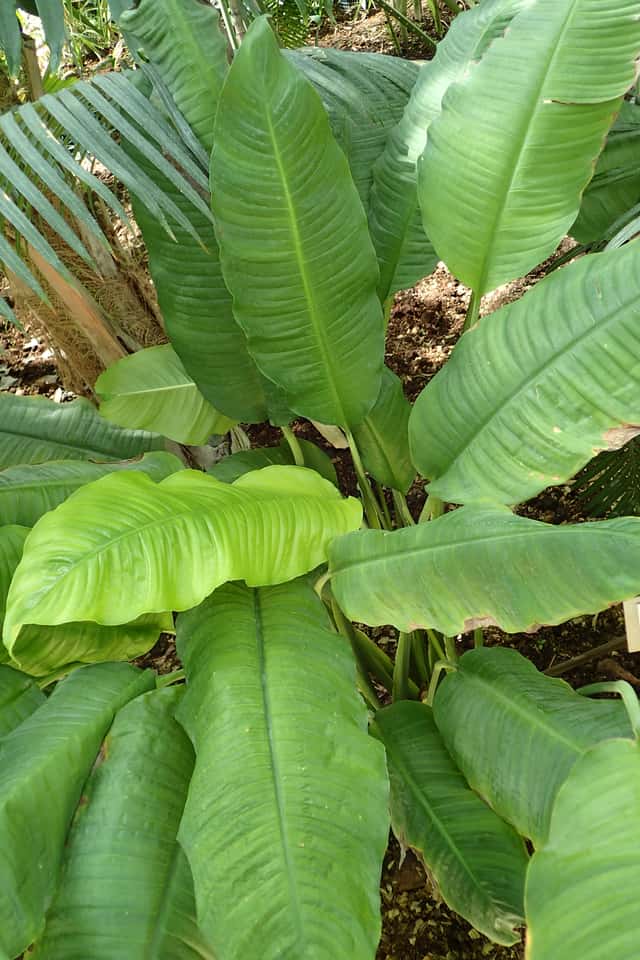
Cupped Peace Lily (Spathiphyllum cochlearispathum) is a easy-care plant from the Araceae family. Spathiphyllum cochlearispathum, commonly known as the Cupped Peace Lily, is one of the largest species in the genus, native to Mexico and Central America. It features broad, glossy dark-green leaves and elegant white spathes. CAUTION: Contains calcium oxalate and is toxic to cats, dogs, and humans.
Cupped Peace Lily grows up to 1.8m, spread of 150cm, watering every 4 days, 18°C – 38°C, 50–80% humidity. It is suitable for indoor environments and not safe for pets.
Unlike many tropical plants, Cupped Peace Lily tolerates watering mistakes. Best for beginners. Without precautions, ingestion can cause irritation in pets. Keep out of reach of cats and dogs. Without adequate drainage, root rot can develop within 8 days.
How to Care for Cupped Peace Lily?
TLDR: Cupped Peace Lily needs Low light, watering every 4 days, and temperatures between 18-38°C with 50-80% humidity.
How Often Should You Water Cupped Peace Lily?
Water every 4 days or when the top 2-3 cm of soil feel dry. Use room-temperature water and ensure the pot drains fully. Never let the plant sit in standing water.
How Much Light Does Cupped Peace Lily Need?
Place in bright indirect light near a curtained window. Tolerates partial shade but blooms better with more light. Avoid direct sun to prevent leaf scorch.
What Is the Best Soil for Cupped Peace Lily?
Use a well-draining potting mix rich in organic matter. Add 20% perlite for improved drainage. Ideal pH 5.5–6.5.
What Pot Should You Use for Cupped Peace Lily?
Ceramic or plastic pots with drainage holes. Choose a pot 2-3 cm larger than the root ball. Avoid oversized pots that retain excess moisture.
Care Schedule
Fertilize
Every 30 days
Misting
Every 3 days
Rotate
Every 30 days
Repot
Every 730 days
What Is Cupped Peace Lily and Where Does It Come From?
Spathiphyllum cochlearispathum, commonly known as the Cupped Peace Lily, is one of the largest species in the genus, native to Mexico and Central America. It features broad, glossy dark-green leaves and elegant white spathes. CAUTION: Contains calcium oxalate and is toxic to cats, dogs, and humans.
How to Propagate Cupped Peace Lily?
Crown Division
Divide in spring during active growth. Keep soil slightly moist for the first few weeks after division.
- 1 Remove the plant from its pot and shake off excess soil
- 2 Identify side shoots with their own roots
- 3 Gently separate with hands or a sterilized knife
- 4 Plant each division in its own pot with fresh potting mix
- 5 Keep in a humid spot with indirect light until established
Materials needed:
How Big Does Cupped Peace Lily Grow?
TLDR: Cupped Peace Lily can reach up to 1.8m tall with Medium growth rate.
Max height
1.8m
Spread
1.5m
Growth rate
Medium
Foliage
Evergreen
Warning: Toxic Plant
This plant can be toxic if ingested. Keep out of reach of:
Plant Uses
Ornamental
Great for decoration
Air Purifying
Improves air quality
Is your plant showing symptoms?
Click on the symptom to discover possible causes:
What Diseases Commonly Affect Cupped Peace Lily?
TLDR: Cupped Peace Lily is susceptible to 9 known diseases. Monitor regularly for early detection.
Root Rot
Root rot is a serious fungal disease that affects the root system of plants, causing them to decay and die. It is primarily caused by overwatering, poor drainage, or soil-borne fungi such as Pythium, Phytophthora, Rhizoctonia, and Fusarium. The disease thrives in waterlogged conditions where roots are deprived of oxygen, making them susceptible to fungal infection.
Phytophthora Root Rot
Disease caused by fungus-like organisms (oomycetes) that live in soil and can survive for years. It affects roots, stem, and crown of plants, being especially severe in waterlogged or poorly drained soils. It is the second most common cause of root rot in trees and shrubs.
Overwatering
Overwatering occurs when plants receive too much water, depriving roots of oxygen and causing root rot. This environmental stress is one of the most common causes of houseplant death, as waterlogged soil prevents roots from breathing and functioning properly.
Mealybugs
Mealybugs are small, soft-bodied insects covered with a white, waxy, cottony material. They are common pests of houseplants and outdoor plants in mild climates. These sap-sucking insects feed on plant tissue, causing damage, stunted growth, and can lead to plant death if left untreated. They produce sticky honeydew which attracts sooty mold.
Meaning & Symbolism
Peace, purity and tranquility
Fun Facts
One of the largest Spathiphyllum species, reaching up to 1.8 m tall
NASA studies found peace lilies effective at removing indoor air pollutants like benzene and formaldehyde
Despite the name, it is not a true lily — it belongs to the Araceae family
Can bloom twice a year when given proper light and humidity
Frequently asked questions
How often should I water the Cupped Peace Lily?
Is the Cupped Peace Lily toxic?
What light does the Cupped Peace Lily need?
When does the Cupped Peace Lily bloom?
How often should I fertilize?
Compare with similar plants
| Attribute | Difficulty | Light | Watering | Pet Safe |
|---|---|---|---|---|
| Field Maple | Easy | Bright indirect | 14d | ✓ |
| Silver Birch | Easy | Direct sun | 14d | ✓ |
| Common Blanketflower | Easy | Direct sun | 10d | ✓ |
| Cushion Bush | Easy | Direct sun | 14d | ✓ |





