Asparagaceae
Curly Tamarak: Full Sun Plant
Albuca spiralis
Thrives in bright, direct light with well-draining soil. Allow the soil to dry out between waterings and reduce water significantly during the summer dormancy period.
Every 14 days
Direct sun
8° - 24°C
30% - 50%
Categories
What is Curly Tamarak?
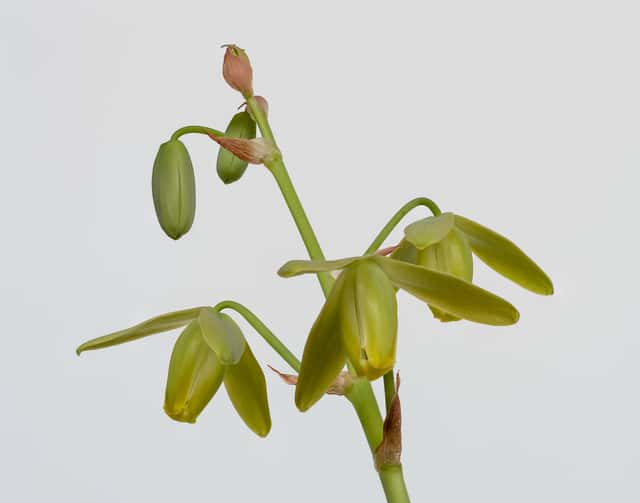
Curly Tamarak (Albuca spiralis) is a medium-care plant from the Asparagaceae family. Albuca spiralis, commonly known as 'Frizzle Sizzle', is a unique bulbous succulent native to South Africa. It is celebrated for its distinctive, corkscrew-shaped leaves that curl more tightly when exposed to high light levels. In late spring, it produces spikes of nodding, bell-shaped yellow-green f...
Curly Tamarak grows up to 25cm, spread of 30cm, watering every 14 days, 8°C – 24°C, 30–50% humidity. It is suitable for indoor environments and not safe for pets.
Without precautions, ingestion can cause irritation in pets. Keep out of reach of cats and dogs. Without adequate drainage, root rot can develop within 28 days.
How to Care for Curly Tamarak?
TLDR: Curly Tamarak needs Direct sun, watering every 14 days, and temperatures between 8-24°C with 30-50% humidity.
How Often Should You Water Curly Tamarak?
Water thoroughly when the soil is dry during the winter and spring. When the plant flowers and then enters summer dormancy, stop watering to prevent the bulb from rotting.
How Much Light Does Curly Tamarak Need?
Full sun is essential for the leaves to maintain their tight spiral shape; in low light, the leaves will grow straight and floppy.
What Is the Best Soil for Curly Tamarak?
Use a specialized cactus and succulent mix with added perlite or coarse sand to ensure rapid drainage.
What Pot Should You Use for Curly Tamarak?
Terracotta or unglazed ceramic pots are best to facilitate soil aeration and prevent bulb rot.
Care Schedule
Fertilize
Every 30 days
Rotate
Every 90 days
Repot
Every 730 days
What Is Curly Tamarak and Where Does It Come From?
Albuca spiralis, commonly known as 'Frizzle Sizzle', is a unique bulbous succulent native to South Africa. It is celebrated for its distinctive, corkscrew-shaped leaves that curl more tightly when exposed to high light levels. In late spring, it produces spikes of nodding, bell-shaped yellow-green flowers that emit a sweet vanilla fragrance. The plant undergoes a summer dormancy period where its foliage may die back completely.
How to Propagate Curly Tamarak?
Bulb Offsets
- Ensure each offset has a few roots attached for faster establishment.
- Wait a few days before watering to let any wounds callous.
- 1 Remove from Pot
Gently remove the parent plant from its pot during the dormant season or early growth phase.
- 2 Separate Bulblets
Carefully pull away the small baby bulbs (offsets) that have formed around the base of the main bulb.
- 3 Replant
Plant the offsets in a well-draining succulent mix, keeping the top of the bulb just at the soil surface.
Materials needed:
Seed Propagation
- Use fresh seeds for the highest germination rate.
- Avoid direct hot sun on seedlings until they are established.
- 1 Sow Seeds
Sow fresh seeds on the surface of a moist, sandy seed-starting mix.
- 2 Cover and Warm
Lightly cover with a thin layer of sand and keep in a warm, bright location.
- 3 Maintain Moisture
Keep the soil consistently moist but not waterlogged until germination occurs.
Materials needed:
How Big Does Curly Tamarak Grow?
TLDR: Curly Tamarak can reach up to 25cm tall with Slow growth rate.
Max height
25cm
Spread
30cm
Growth rate
Slow
Foliage
Deciduous
Warning: Toxic Plant
This plant can be toxic if ingested. Keep out of reach of:
Plant Uses
Ornamental
Great for decoration
Is your plant showing symptoms?
Click on the symptom to discover possible causes:
What Diseases Commonly Affect Curly Tamarak?
TLDR: Curly Tamarak is susceptible to 12 known diseases. Monitor regularly for early detection.
Root Rot
Root rot is a serious fungal disease that affects the root system of plants, causing them to decay and die. It is primarily caused by overwatering, poor drainage, or soil-borne fungi such as Pythium, Phytophthora, Rhizoctonia, and Fusarium. The disease thrives in waterlogged conditions where roots are deprived of oxygen, making them susceptible to fungal infection.
Gray Mold (Botrytis Blight)
Gray mold, caused by the fungus Botrytis cinerea, is one of the most common fungal diseases in plants. It affects over 200 plant species, including ornamentals, vegetables, fruits, and houseplants. The disease thrives in cool, humid conditions with poor air circulation, causing grayish spots and soft rot on infected tissues.
Leaf Spot
Leaf spot is a common fungal disease caused by various pathogens including Alternaria, Ascochyta, Colletotrichum, Septoria, and Venturia. It primarily affects leaves, causing discolored spots that can lead to premature leaf drop if left untreated.
Rust
Rust is a common fungal disease caused by fungi in the order Pucciniales that affects a wide variety of plants. The disease gets its name from the characteristic orange, yellow, or reddish-brown pustules that appear on leaves, resembling metal rust. This obligate fungal parasite requires living plants to survive and can cause significant economic losses in agricultural crops.
Meaning & Symbolism
Represents individuality, resilience, and the beauty of unconventional growth.
Compare with similar plants
| Attribute | Difficulty | Light | Watering | Pet Safe |
|---|---|---|---|---|
| Dark Fieldcap | Medium | Low light | 2d | ⚠️ |
| Azalea | Medium | Partial shade | 3d | ⚠️ |
| Muriel's Bamboo | Medium | Partial shade | 3d | ✓ |
| Bougainvillea | Medium | Direct sun | 7d | ⚠️ |




