Ranunculaceae
Spring Pasqueflower (Pulsatilla vernalis)
Pulsatilla vernalis
A slow-growing, long-lived alpine that thrives in full sun and very gritty, sharply drained soil. Resents winter wet and root disturbance, so it is best left undisturbed once planted. Water sparingly and avoid heavy feeding.
Every 14 days
Direct sun
-25° - 22°C
30% - 60%
Categories
What is Spring pasqueflower?
Spring pasqueflower (Pulsatilla vernalis) is a medium-care plant from the Ranunculaceae family. Pulsatilla vernalis is a low-growing alpine perennial in the buttercup family, native to the mountain meadows and rocky slopes of Europe from the Pyrenees to Scandinavia and the Balkans. It is among the first flowers to bloom each year, often pushing through the last patches of melting snow in early...
Spring pasqueflower grows up to 15cm, spread of 20cm, watering every 14 days, -25°C – 22°C, 30–60% humidity. It is not suitable for indoor environments and not safe for pets.
Without precautions, ingestion can cause irritation in pets. Keep out of reach of cats and dogs.
How to Care for Spring pasqueflower?
TLDR: Spring pasqueflower needs Direct sun, watering every 14 days, and temperatures between -25-22°C with 30-60% humidity.
How Often Should You Water Spring pasqueflower?
Water only when the top few centimetres of soil have dried out, and reduce watering further in winter. Consistently soggy soil quickly leads to root and crown rot.
How Much Light Does Spring pasqueflower Need?
Needs full, direct sun for at least 6 hours a day; in shade it becomes leggy and flowers poorly.
What Is the Best Soil for Spring pasqueflower?
Plant in very gritty, sharply drained, slightly acidic to neutral soil - a rock garden or scree mix with added grit or pumice is ideal. Good drainage is essential year-round.
What Pot Should You Use for Spring pasqueflower?
If grown in a container, use a shallow, unglazed terracotta or hypertufa trough pot with generous drainage holes to mimic its rocky, free-draining native habitat.
What Is Spring pasqueflower and Where Does It Come From?
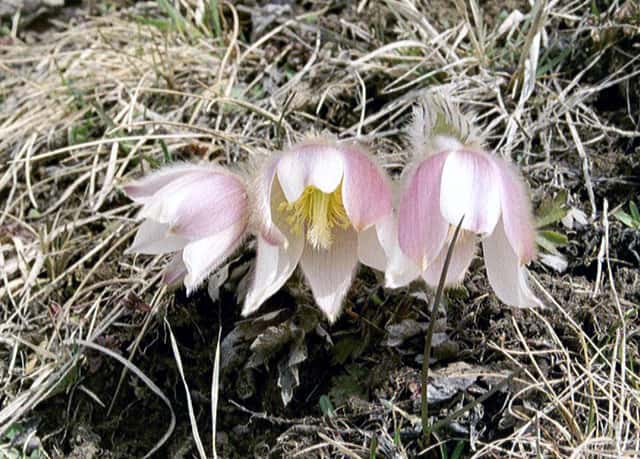
Pulsatilla vernalis is a low-growing alpine perennial in the buttercup family, native to the mountain meadows and rocky slopes of Europe from the Pyrenees to Scandinavia and the Balkans. It is among the first flowers to bloom each year, often pushing through the last patches of melting snow in early spring. Each nodding, bell-shaped flower is covered in silky silver hairs and opens to reveal six petal-like white to pale violet sepals flushed with purple on the reverse, surrounding a boss of golden stamens. After flowering, the plant produces feathery seed heads and finely divided, fern-like foliage that persists through summer before dying back in autumn.
How to Propagate Spring pasqueflower?
Seed sowing
Fresh seed germinates far better than stored seed; sow the same season you collect it and avoid disturbing the delicate taproot when transplanting.
- 1 Collect the feathery seed heads once they turn fluffy and grey in early summer
- 2 Sow fresh seed immediately in gritty, well-drained seed compost, as viability drops quickly
- 3 Cold-stratify outdoors over winter to break dormancy
- 4 Keep the compost just moist and transplant seedlings carefully once they have true leaves
Materials needed:
Root division
Division is risky for this species due to its deep taproot; propagation by seed is usually more reliable.
- 1 Only attempt division on large, well-established clumps, as young plants resent disturbance
- 2 Lift the clump carefully with a fork, keeping as much root intact as possible
- 3 Split into sections each with a healthy shoot and portion of taproot
- 4 Replant immediately at the same depth in gritty, well-drained soil and water in lightly
Materials needed:
How Big Does Spring pasqueflower Grow?
TLDR: Spring pasqueflower can reach up to 15cm tall with Slow growth rate.
Max height
15cm
Spread
20cm
Growth rate
Slow
Foliage
Deciduous
Warning: Toxic Plant
This plant can be toxic if ingested. Keep out of reach of:
Plant Uses
Ornamental
Great for decoration
Medicinal
Medicinal properties
Medicinal Uses
- Source plant for the homeopathic remedy Pulsatilla, used in highly diluted preparations
- Historically used in folk medicine for eye and respiratory ailments (fresh plant is toxic and unsafe for home use)
Is your plant showing symptoms?
Click on the symptom to discover possible causes:
What Diseases Commonly Affect Spring pasqueflower?
TLDR: Spring pasqueflower is susceptible to 4 known diseases. Monitor regularly for early detection.
Root Rot
Root rot is a serious fungal disease that affects the root system of plants, causing them to decay and die. It is primarily caused by overwatering, poor drainage, or soil-borne fungi such as Pythium, Phytophthora, Rhizoctonia, and Fusarium. The disease thrives in waterlogged conditions where roots are deprived of oxygen, making them susceptible to fungal infection.
Slugs and Snails
Slugs and snails are mollusks that feed on plant tissue, causing irregular holes in leaves and damage to young seedlings. They are most active at night and in moist conditions, leaving characteristic silvery slime trails. These pests can quickly devastate gardens, especially during wet seasons.
Botrytis
Powdery Mildew
Powdery mildew is a common fungal disease caused by various fungi species including Erysiphe, Podosphaera, Oïdium, and Leveillula. It affects over 10,000 plant species worldwide. The disease thrives in warm, dry climates with high humidity and appears as a distinctive white powdery coating on plant surfaces.
Meaning & Symbolism
Blooming at the retreating edge of alpine snow, the pasqueflower has long symbolised rebirth, hope, and resilience; its bloom around Easter (Pasch) links it to themes of renewal.
Fun Facts
Flowers can emerge while snow is still on the ground, giving the plant its nickname "Lady of the Snows"
Every part of the plant is covered in fine silvery hairs that insulate it against cold and intense UV at altitude
The fresh sap is toxic and can cause skin blistering, but the toxin breaks down when the plant is dried
Frequently asked questions
Is Pulsatilla vernalis toxic?
Where should I plant a spring pasqueflower?
Can I move or divide an established plant?
Compare with similar plants
| Attribute | Difficulty | Light | Watering | Pet Safe |
|---|---|---|---|---|
| Dark Fieldcap | Medium | Low light | 2d | ⚠️ |
| Azalea | Medium | Partial shade | 3d | ⚠️ |
| Bougainvillea | Medium | Direct sun | 7d | ⚠️ |
| Wild Lettuce | Medium | Direct sun | 7d | ⚠️ |



