Cannabaceae
European Nettle Tree: Edible Plant
Celtis australis
An easy-care, tough Mediterranean tree once established. Plant in full sun with well-draining soil; water regularly during the first two years, then rely on rainfall. Prune lightly in the dormant season to shape the canopy and remove deadwood.
Every 14 days
Direct sun
-15° - 40°C
30% - 70%
Categories
What is European Nettle Tree?
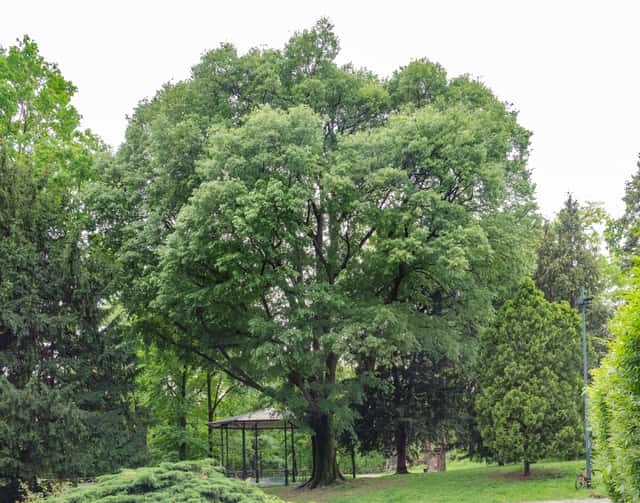
European Nettle Tree (Celtis australis) is a easy-care plant from the Cannabaceae family. The European nettle tree (Celtis australis) is a large, long-lived deciduous shade tree native to southern Europe, North Africa, and western Asia. Prized for its elegant vase-shaped canopy, rough gray bark, and serrated dark-green leaves, it thrives in Mediterranean climates and tolerates heat, drou...
European Nettle Tree grows up to 25.0m, spread of 1500cm, watering every 14 days, -15°C – 40°C, 30–70% humidity. It is not suitable for indoor environments and safe for pets.
Unlike many tropical plants, European Nettle Tree tolerates watering mistakes. Best for beginners. Unlike many popular species, European Nettle Tree is safe to keep around pets.
How to Care for European Nettle Tree?
TLDR: European Nettle Tree needs Direct sun, watering every 14 days, and temperatures between -15-40°C with 30-70% humidity.
How Often Should You Water European Nettle Tree?
Water deeply once or twice a week during the first two growing seasons to help roots establish. Mature trees are drought-tolerant and only need supplemental water during prolonged summer dry spells.
How Much Light Does European Nettle Tree Need?
Needs full sun to develop a healthy, well-branched canopy. Avoid shaded planting sites, which weaken growth and flowering.
What Is the Best Soil for European Nettle Tree?
Adapts to most well-draining soils, including poor, rocky, and calcareous (alkaline) ground. Avoid waterlogged or compacted soil.
What Pot Should You Use for European Nettle Tree?
Best planted directly in open ground; if grown temporarily in a container while young, use a large, deep pot (60cm+) with excellent drainage to accommodate its vigorous taproot.
What Is European Nettle Tree and Where Does It Come From?
The European nettle tree (Celtis australis) is a large, long-lived deciduous shade tree native to southern Europe, North Africa, and western Asia. Prized for its elegant vase-shaped canopy, rough gray bark, and serrated dark-green leaves, it thrives in Mediterranean climates and tolerates heat, drought, wind, and urban pollution once established. Small greenish flowers appear in spring, followed by pea-sized drupes that ripen from orange to dark purple-black in autumn and are edible, with a sweet date-like flavor. The species is a classic street and park tree across southern Europe.
How to Propagate European Nettle Tree?
Seed Propagation
Germination is often slow and uneven; patience is key, and stratification greatly improves success rate.
- 1 Collect ripe, dark purple drupes in autumn and remove the pulp
- 2 Cold-stratify the cleaned seeds in moist sand for 60-90 days at 1-5°C
- 3 Sow stratified seeds in well-draining seed compost in early spring
- 4 Keep soil consistently moist and place in a sheltered, bright spot until germination
- 5 Transplant seedlings to individual pots once they have 2-3 true leaves
Materials needed:
Semi-Hardwood Cutting
Rooting success is inconsistent; growers commonly rely on seed propagation instead.
- 1 Take 15-20cm semi-hardwood cuttings from healthy side shoots in mid-summer
- 2 Remove lower leaves and dip the cut end in rooting hormone
- 3 Insert into a well-draining rooting mix of perlite and peat
- 4 Keep humidity high with a propagator lid and provide bottom heat
- 5 Pot on once a healthy root system has developed
Materials needed:
How Big Does European Nettle Tree Grow?
TLDR: European Nettle Tree can reach up to 25.0m tall with Medium growth rate.
Max height
25.0m
Spread
15.0m
Growth rate
Medium
Foliage
Deciduous
Plant Uses
Ornamental
Great for decoration
Edible
Can be consumed
Medicinal
Medicinal properties
Medicinal Uses
- Traditionally used as an astringent to treat diarrhea and dysentery
- Bark and leaf decoctions used in folk medicine for menstrual disorders
- Fruits used traditionally to ease colic and digestive discomfort
Culinary Uses
- Ripe drupes eaten fresh, with a sweet, date-like flavor
- Fruits used to make jams and traditional sweets in some Mediterranean regions
- Dried and ground fruit historically used as a flavoring or minor food source
Is your plant showing symptoms?
Click on the symptom to discover possible causes:
What Diseases Commonly Affect European Nettle Tree?
TLDR: European Nettle Tree is susceptible to 5 known diseases. Monitor regularly for early detection.
Caterpillars
Caterpillars are the larval stage of moths and butterflies that feed voraciously on plant foliage, stems, flowers, and fruits. Common species include cabbage loopers, tomato hornworms, armyworms, and cutworms. These pests can cause extensive damage by consuming large amounts of plant tissue in a short time. They vary in size from small (1/4 inch) to large (5 inches), with colors ranging from green to brown, often featuring stripes or spots. Caterpillars are highly mobile and can quickly spread throughout gardens, making them one of the most destructive common pests.
Powdery Mildew
Powdery mildew is a common fungal disease caused by various fungi species including Erysiphe, Podosphaera, Oïdium, and Leveillula. It affects over 10,000 plant species worldwide. The disease thrives in warm, dry climates with high humidity and appears as a distinctive white powdery coating on plant surfaces.
Leaf Spot
Leaf spot is a common fungal disease caused by various pathogens including Alternaria, Ascochyta, Colletotrichum, Septoria, and Venturia. It primarily affects leaves, causing discolored spots that can lead to premature leaf drop if left untreated.
Scale Insects
Scale insects are small sap-sucking pests that appear as brown, shell-like bumps on plant stems and leaves. There are over 25 species, divided into armored (hard) and unarmored (soft) scales. They feed by piercing plant tissue and extracting sap, which weakens the plant and can lead to yellowing, stunted growth, and even death if left untreated. They also excrete honeydew, which attracts ants and promotes sooty mold growth.
Meaning & Symbolism
In Mediterranean folklore the nettle tree symbolizes resilience and longevity, thanks to its ability to live for centuries and thrive in poor, rocky soils. Its tough, elastic wood was traditionally used for whips, walking sticks, and cart shafts, giving it associations with endurance and strength.
Compare with similar plants
| Attribute | Difficulty | Light | Watering | Pet Safe |
|---|---|---|---|---|
| Field Maple | Easy | Bright indirect | 14d | ✓ |
| Silver Birch | Easy | Direct sun | 14d | ✓ |
| Cushion Bush | Easy | Direct sun | 14d | ✓ |
| Peruvian peppertree | Easy | Direct sun | 14d | ⚠️ |





