Cactaceae
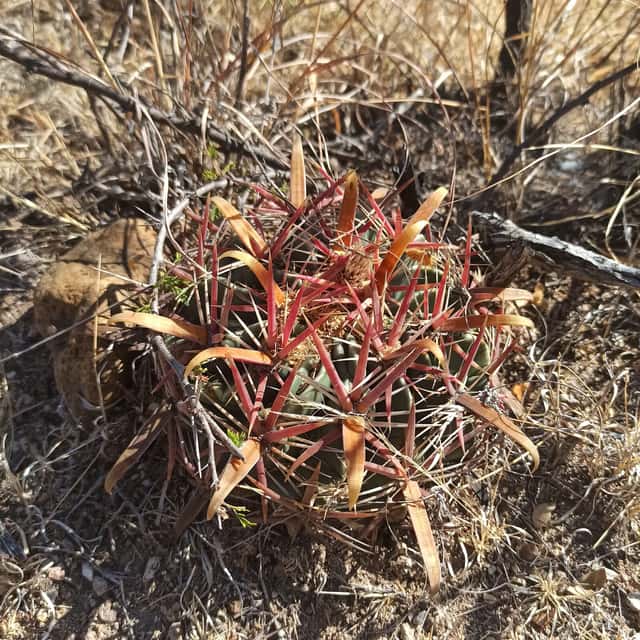
Devils Tongue Cactus (Ferocactus latispinus)
Ferocactus latispinus
Provide full sun, infrequent deep watering only during the warm growing season, and a fast-draining mineral soil. Keep completely dry and cool during winter dormancy to prevent rot.
Every 21 days
Direct sun
10° - 35°C
20% - 40%
Categories
What is Devils Tongue Cactus?
Devils Tongue Cactus (Ferocactus latispinus) is a easy-care plant from the Cactaceae family. Ferocactus latispinus is a solitary, globular to short-cylindrical cactus native to central Mexico, prized for its broad, flattened, hooked central spines that range from red to yellow. It grows slowly to about 30-100 cm tall and 40-45 cm wide, producing funnel-shaped pink to purple (occasionally ye...
Devils Tongue Cactus grows up to 1.0m, spread of 45cm, watering every 21 days, 10°C – 35°C, 20–40% humidity. It is suitable for indoor environments and safe for pets.
Unlike many tropical plants, Devils Tongue Cactus tolerates watering mistakes. Best for beginners. Unlike many popular species, Devils Tongue Cactus is safe to keep around pets. Without adequate drainage, root rot can develop within 42 days.
How to Care for Devils Tongue Cactus?
TLDR: Devils Tongue Cactus needs Direct sun, watering every 21 days, and temperatures between 10-35°C with 20-40% humidity.
How Often Should You Water Devils Tongue Cactus?
Water deeply only when the soil is completely dry, roughly every 2-3 weeks in spring and summer. Stop watering entirely in autumn and keep bone-dry through winter.
How Much Light Does Devils Tongue Cactus Need?
Needs full, direct sun for at least 6 hours a day to keep its compact shape and develop strong spine color; insufficient light causes etiolation (stretching).
What Is the Best Soil for Devils Tongue Cactus?
Use a sandy, mineral, fast-draining cactus mix with little to no organic matter to prevent root rot.
What Pot Should You Use for Devils Tongue Cactus?
Unglazed terracotta pot with drainage holes
Care Schedule
Fertilize
Every 60 days
What Is Devils Tongue Cactus and Where Does It Come From?
Ferocactus latispinus is a solitary, globular to short-cylindrical cactus native to central Mexico, prized for its broad, flattened, hooked central spines that range from red to yellow. It grows slowly to about 30-100 cm tall and 40-45 cm wide, producing funnel-shaped pink to purple (occasionally yellowish) flowers in late autumn and early winter.
How to Propagate Devils Tongue Cactus?
Seed sowing
Germination is slow and seedlings are vulnerable to damping-off; keep substrate lightly moist but never soggy.
- 1 Sow fresh seeds on a moist, sandy substrate
- 2 Keep at 22-28C with high humidity and good ventilation until germination
- 3 Provide bright, indirect light until seedlings establish
- 4 Gradually acclimate seedlings to full sun
Materials needed:
Grafting
Used mainly to speed up growth of young plants; requires sterile tools to avoid infection.
- 1 Select a compatible, healthy rootstock such as Trichocereus
- 2 Make clean, matching cuts on both rootstock and scion
- 3 Press the pieces together and secure with rubber bands
- 4 Keep in warm, humid, shaded conditions until fused
Materials needed:
How Big Does Devils Tongue Cactus Grow?
TLDR: Devils Tongue Cactus can reach up to 1.0m tall with Slow growth rate.
Max height
1.0m
Spread
45cm
Growth rate
Slow
Foliage
Evergreen
Plant Uses
Ornamental
Great for decoration
Culinary Uses
- Historically the pulp of Ferocactus species was candied into a traditional Mexican sweet called acitron, though this practice is now discouraged due to wild population decline
Is your plant showing symptoms?
Click on the symptom to discover possible causes:
What Diseases Commonly Affect Devils Tongue Cactus?
TLDR: Devils Tongue Cactus is susceptible to 6 known diseases. Monitor regularly for early detection.
Root Rot
Root rot is a serious fungal disease that affects the root system of plants, causing them to decay and die. It is primarily caused by overwatering, poor drainage, or soil-borne fungi such as Pythium, Phytophthora, Rhizoctonia, and Fusarium. The disease thrives in waterlogged conditions where roots are deprived of oxygen, making them susceptible to fungal infection.
Overwatering
Overwatering occurs when plants receive too much water, depriving roots of oxygen and causing root rot. This environmental stress is one of the most common causes of houseplant death, as waterlogged soil prevents roots from breathing and functioning properly.
Mealybugs
Mealybugs are small, soft-bodied insects covered with a white, waxy, cottony material. They are common pests of houseplants and outdoor plants in mild climates. These sap-sucking insects feed on plant tissue, causing damage, stunted growth, and can lead to plant death if left untreated. They produce sticky honeydew which attracts sooty mold.
Spider Mites
Spider mites are tiny arachnids (less than 1/20 inch long) related to spiders and ticks that feed on plant sap. They thrive in hot, dry conditions and can cause significant damage to ornamental and vegetable plants. During severe infestations, crop losses can reach 14% or higher as these pests disrupt vital plant processes including photosynthesis, carbon dioxide absorption, and transpiration.
Meaning & Symbolism
Symbolizes endurance, protection, and resilience in harsh conditions.
Fun Facts
Its common name comes from the broad, flattened, hooked central spine that resembles a curved tongue
It is one of the few cacti that reliably flowers in late autumn and early winter instead of summer
Its pulp was historically used to make the traditional Mexican candied treat acitron
Frequently asked questions
How often should I water Ferocactus latispinus?
Is Ferocactus latispinus toxic to pets?
Why is my cactus turning yellow or stretching?
When does Ferocactus latispinus flower?
Compare with similar plants
| Attribute | Difficulty | Light | Watering | Pet Safe |
|---|---|---|---|---|
| Field Maple | Easy | Bright indirect | 14d | ✓ |
| Silver Birch | Easy | Direct sun | 14d | ✓ |
| Common Blanketflower | Easy | Direct sun | 10d | ✓ |
| Cushion Bush | Easy | Direct sun | 14d | ✓ |
Choose & Compare
Sources & References
- Ferocactus Latispinus: The Definitive Guide - Garden Pals
- Devil Tongue Cactus (Ferocactus latispinus) - Gardenia
- Ferocactus latispinus: Complete care guide - Jardineria On
- Ferocactus latispinus - Wikipedia
- Cactus de espina ancha: cuidados - Aventura Botanica
- Cuidados del Ferocactus latispinus o cactus barril





