Asteraceae
Dandelion: Ground Cover Plant
Taraxacum
Taraxacum is an extremely low-maintenance, resilient plant that thrives in almost any soil and light condition. It needs little more than occasional watering during dry spells and benefits from full sun for the fastest growth. No fertilizing or special protection is required; the main 'care' challenge is usually controlling its spread rather than keeping it alive.
Every 5 days
Bright indirect
-5° - 32°C
30% - 70%
Categories
What is Dandelion?
Dandelion (Taraxacum) is a easy-care plant from the Asteraceae family. Taraxacum is a genus of flowering perennials in the daisy family (Asteraceae), comprising over 2,000 recognized species and microspecies worldwide, most reproducing by apomixis. This profile covers the genus at a general level, using the emblematic and most widespread species, Taraxacum officinale (...
Dandelion grows up to 40cm, spread of 30cm, watering every 5 days, -5°C – 32°C, 30–70% humidity. It is not suitable for indoor environments and safe for pets.
Unlike many tropical plants, Dandelion tolerates watering mistakes. Best for beginners. Unlike many popular species, Dandelion is safe to keep around pets.
How to Care for Dandelion?
TLDR: Dandelion needs Bright indirect, watering every 5 days, and temperatures between -5-32°C with 30-70% humidity.
How Often Should You Water Dandelion?
Water only when the top few centimeters of soil are dry. The deep taproot makes established plants quite drought-tolerant, and soggy, waterlogged soil is more likely to cause problems than underwatering.
How Much Light Does Dandelion Need?
Grows best in full sun (at least 6-8 hours daily) but tolerates partial shade; more sun means faster growth and more flowers.
What Is the Best Soil for Dandelion?
Adaptable to sandy, loamy, or clay soils; prefers loose, well-draining soil with a near-neutral pH (6-7.5) but tolerates poor and compacted soils.
What Pot Should You Use for Dandelion?
If grown in a container, use a deep pot (at least 25-30 cm) to accommodate the long taproot, with generous drainage holes.
What Is Dandelion and Where Does It Come From?
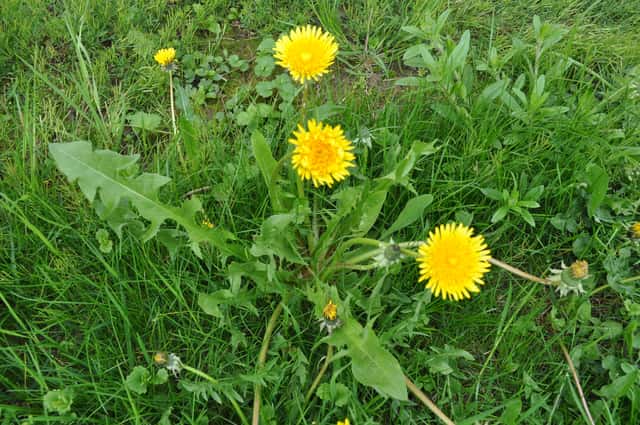
Taraxacum is a genus of flowering perennials in the daisy family (Asteraceae), comprising over 2,000 recognized species and microspecies worldwide, most reproducing by apomixis. This profile covers the genus at a general level, using the emblematic and most widespread species, Taraxacum officinale (common dandelion), as the reference for care data. Recognizable by its rosette of toothed leaves, solitary yellow flower heads, and globe-shaped seed puffballs, Taraxacum is both a common lawn weed and a valued edible and medicinal plant.
How to Propagate Dandelion?
Seed Sowing
- Dandelion seeds are wind-dispersed and germinate readily without pretreatment.
- Full sun speeds up germination and rosette formation.
- 1 Collect seeds
Gather ripe seed heads (the fluffy "clocks") once they turn white and fluffy.
- 2 Sow
Scatter seeds on the soil surface and press lightly; they need light to germinate so avoid burying them.
- 3 Water
Keep the soil consistently moist until seedlings establish, then reduce watering.
Materials needed:
Root Division
- Even small taproot fragments left in the ground can regrow, which is why dandelions are hard to eradicate.
- Best done when the plant is dormant in early fall.
- 1 Dig up
Carefully dig around a mature taproot to loosen it from the soil without breaking it.
- 2 Cut
Cut the taproot into 5-8 cm sections, each containing a piece of the crown if possible.
- 3 Replant
Plant sections vertically about 2 cm deep in loose, well-draining soil and water well.
Materials needed:
How Big Does Dandelion Grow?
TLDR: Dandelion can reach up to 40cm tall with Fast growth rate.
Max height
40cm
Spread
30cm
Growth rate
Fast
Foliage
Deciduous
Plant Uses
Edible
Can be consumed
Medicinal
Medicinal properties
Ground Cover
Soil coverage
Medicinal Uses
- Traditional diuretic (leaves and root)
- Liver and digestive tonic
- Anti-inflammatory and antioxidant use of leaves/flowers
- Roasted root as a caffeine-free coffee substitute
Culinary Uses
- Young leaves eaten raw in salads or cooked like spinach
- Flowers used in fritters, syrups, and dandelion wine
- Roots roasted and ground as a coffee substitute or brewed as tea
Is your plant showing symptoms?
Click on the symptom to discover possible causes:
What Diseases Commonly Affect Dandelion?
TLDR: Dandelion is susceptible to 4 known diseases. Monitor regularly for early detection.
Powdery Mildew
Powdery mildew is a common fungal disease caused by various fungi species including Erysiphe, Podosphaera, Oïdium, and Leveillula. It affects over 10,000 plant species worldwide. The disease thrives in warm, dry climates with high humidity and appears as a distinctive white powdery coating on plant surfaces.
Leaf Spot
Leaf spot is a common fungal disease caused by various pathogens including Alternaria, Ascochyta, Colletotrichum, Septoria, and Venturia. It primarily affects leaves, causing discolored spots that can lead to premature leaf drop if left untreated.
Aphids
Aphids are small, soft-bodied, pear-shaped insects (1/16 to 1/8 inch long) that feed by sucking nutrient-rich sap from plants. They reproduce rapidly and can quickly weaken plants, causing distorted growth and transmitting plant viruses. Aphids come in various colors including green, black, red, yellow, brown, and gray. They secrete honeydew, a sticky substance that attracts ants and encourages sooty mold growth.
Flea beetle damage
Flea beetles are small, jumping insects that feed on the leaves of many vegetable crops. They chew numerous small, circular holes, creating a characteristic 'shothole' appearance. While established plants can often tolerate the damage, young seedlings are highly susceptible and can be stunted or killed if the infestation is severe.
Meaning & Symbolism
Resilience, hope, and wishes granted -- blowing the seed head is a folk tradition for making a wish, and the plant's ability to thrive anywhere makes it a symbol of perseverance and adaptability.
Compare with similar plants
| Attribute | Difficulty | Light | Watering | Pet Safe |
|---|---|---|---|---|
| Field Maple | Easy | Bright indirect | 14d | ✓ |
| Silver Birch | Easy | Direct sun | 14d | ✓ |
| Cushion Bush | Easy | Direct sun | 14d | ✓ |
| Wild Lettuce | Medium | Direct sun | 7d | ⚠️ |





