Apiaceae
Fennel — Complete Growing & Care Guide
Foeniculum vulgare
Fennel is an easy-to-grow, low-maintenance plant. It thrives in full sun and well-drained soil, and becomes drought-tolerant once established. Water moderately, allowing the soil to nearly dry between waterings. Best suited for outdoor gardens in temperate to warm climates. Avoid planting near dill to prevent cross-pollination.
Every 7 days
Direct sun
5° - 35°C
40% - 65%
Categories
What is Fennel?
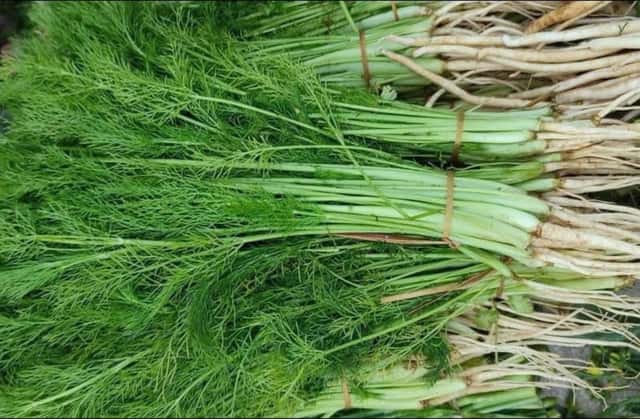
Fennel (Foeniculum vulgare) is a easy-care plant from the Apiaceae family. Fennel (Foeniculum vulgare) is a hardy aromatic perennial herb in the Apiaceae family, native to the Mediterranean region. With feathery, anise-scented foliage and bright yellow umbel flowers in summer, it can reach up to 6 feet (180 cm) tall. Fennel is one of the most versatile herbs, prized for it...
Fennel grows up to 1.8m, spread of 100cm, watering every 7 days, 5°C – 35°C, 40–65% humidity. It is not suitable for indoor environments and safe for pets.
Unlike many tropical plants, Fennel tolerates watering mistakes. Best for beginners. Unlike many popular species, Fennel is safe to keep around pets.
How to Care for Fennel?
TLDR: Fennel needs Direct sun, watering every 7 days, and temperatures between 5-35°C with 40-65% humidity.
How Often Should You Water Fennel?
Water every 7 days, or when the top inch of soil feels nearly dry. Once established, fennel is drought-tolerant and prefers slightly dry conditions over waterlogged soil. Overwatering is the most common cause of root rot in fennel.
How Much Light Does Fennel Need?
Fennel requires full sun — at least 6 to 8 hours of direct sunlight daily. In partial shade, growth is stunted and seed production decreases significantly. Place in the sunniest spot in your garden.
What Is the Best Soil for Fennel?
Fennel prefers fertile, loamy, well-drained soil with a pH of 6.0–8.0. Enrich with compost before planting. Avoid heavy clay or constantly wet soils, which promote root rot.
What Pot Should You Use for Fennel?
Terracotta or ceramic pot with drainage holes, minimum 12 inches (30 cm) diameter for container growing
Care Schedule
Fertilize
Every 30 days
What Is Fennel and Where Does It Come From?
Fennel (Foeniculum vulgare) is a hardy aromatic perennial herb in the Apiaceae family, native to the Mediterranean region. With feathery, anise-scented foliage and bright yellow umbel flowers in summer, it can reach up to 6 feet (180 cm) tall. Fennel is one of the most versatile herbs, prized for its culinary, medicinal, and ornamental value.
How to Propagate Fennel?
Direct Seeding
Soak seeds in water for 24 hours before sowing to improve germination rate. Fennel does not transplant well — sow it directly where it will grow permanently.
- 1 Sow seeds directly in the final location after the last frost date
- 2 Press seeds lightly into the soil, covering with 0.5 cm of earth
- 3 Keep soil moist until germination occurs
- 4 Thin seedlings to 10-15 cm apart once established
Materials needed:
How Big Does Fennel Grow?
TLDR: Fennel can reach up to 1.8m tall with Medium growth rate.
Max height
1.8m
Spread
1.0m
Growth rate
Medium
Foliage
Deciduous
Plant Uses
Edible
Can be consumed
Medicinal
Medicinal properties
Aromatic
Pleasant fragrance
Ornamental
Great for decoration
Medicinal Uses
- Relieves digestive complaints including colic and bloating
- Antispasmodic and carminative properties
- Used in herbal medicine for respiratory issues and as a natural expectorant
- Traditional remedy for eye inflammation when made into a compress
Culinary Uses
- Fresh fronds in salads, soups, and pasta sauces
- Seeds used to season bread, sausages, and fish dishes
- Bulb eaten raw in salads or cooked as a vegetable
- Flowers used as gourmet garnishes
- Fennel pollen prized as a gourmet spice
Is your plant showing symptoms?
Click on the symptom to discover possible causes:
What Diseases Commonly Affect Fennel?
TLDR: Fennel is susceptible to 5 known diseases. Monitor regularly for early detection.
Root Rot
Root rot is a serious fungal disease that affects the root system of plants, causing them to decay and die. It is primarily caused by overwatering, poor drainage, or soil-borne fungi such as Pythium, Phytophthora, Rhizoctonia, and Fusarium. The disease thrives in waterlogged conditions where roots are deprived of oxygen, making them susceptible to fungal infection.
Powdery Mildew
Powdery mildew is a common fungal disease caused by various fungi species including Erysiphe, Podosphaera, Oïdium, and Leveillula. It affects over 10,000 plant species worldwide. The disease thrives in warm, dry climates with high humidity and appears as a distinctive white powdery coating on plant surfaces.
Aphids
Aphids are small, soft-bodied, pear-shaped insects (1/16 to 1/8 inch long) that feed by sucking nutrient-rich sap from plants. They reproduce rapidly and can quickly weaken plants, causing distorted growth and transmitting plant viruses. Aphids come in various colors including green, black, red, yellow, brown, and gray. They secrete honeydew, a sticky substance that attracts ants and encourages sooty mold growth.
Caterpillars
Caterpillars are the larval stage of moths and butterflies that feed voraciously on plant foliage, stems, flowers, and fruits. Common species include cabbage loopers, tomato hornworms, armyworms, and cutworms. These pests can cause extensive damage by consuming large amounts of plant tissue in a short time. They vary in size from small (1/4 inch) to large (5 inches), with colors ranging from green to brown, often featuring stripes or spots. Caterpillars are highly mobile and can quickly spread throughout gardens, making them one of the most destructive common pests.
Meaning & Symbolism
In ancient Greece, fennel symbolized strength and courage — warriors consumed its seeds before battle. In the Victorian language of flowers, fennel signifies flattery. It was also used as a talisman against evil spirits.
Fun Facts
Fennel is the exclusive host plant for the anise swallowtail butterfly caterpillar (Papilio zelicaon) in North America
Ancient Romans ate fennel seeds as an appetite suppressant during fasting periods
In medieval Europe, fennel bundles were hung over doorways to ward off evil spirits
A mature fennel plant can produce more than 100,000 seeds in a single season
Frequently asked questions
How often should I water fennel?
Can fennel grow in containers?
Is fennel toxic to pets?
Why is my fennel bolting (flowering early)?
Can I plant fennel near other herbs?
Compare with similar plants
| Attribute | Difficulty | Light | Watering | Pet Safe |
|---|---|---|---|---|
| Field Maple | Easy | Bright indirect | 14d | ✓ |
| Silver Birch | Easy | Direct sun | 14d | ✓ |
| Cushion Bush | Easy | Direct sun | 14d | ✓ |
| Peruvian peppertree | Easy | Direct sun | 14d | ⚠️ |





