Brassicaceae
Wintercress (Barbarea vulgaris): Care Guide, Edible Uses & Benefits
Barbarea vulgaris
A hardy, low-maintenance plant that thrives in cool weather with minimal care. It prefers full sun to partial shade and consistently moist, well-drained soil. Water moderately, especially during dry spells. Propagates easily from seed and self-sows freely once established. Ideal for wild gardens, foraging patches, and naturalized areas.
Every 7 days
Bright indirect
-20° - 30°C
40% - 80%
Categories
What is Wintercress?
Wintercress (Barbarea vulgaris) is a easy-care plant from the Brassicaceae family. Wintercress (Barbarea vulgaris) is a biennial herbaceous plant in the Brassicaceae (mustard) family, native to Europe and widely naturalized across North America and beyond. It forms a basal rosette of dark, glossy, lobed leaves through autumn and winter, then sends up flowering stalks in early spri...
Wintercress grows up to 90cm, spread of 45cm, watering every 7 days, -20°C – 30°C, 40–80% humidity. It is not suitable for indoor environments and safe for pets.
Unlike many tropical plants, Wintercress tolerates watering mistakes. Best for beginners. Unlike many popular species, Wintercress is safe to keep around pets.
How to Care for Wintercress?
TLDR: Wintercress needs Bright indirect, watering every 7 days, and temperatures between -20-30°C with 40-80% humidity.
How Often Should You Water Wintercress?
Water moderately to keep soil evenly moist, particularly during dry periods. Water every 7 days in typical conditions. Avoid waterlogging, which can lead to root rot. During summer heat, increase watering frequency slightly.
How Much Light Does Wintercress Need?
Prefers full sun (6+ hours of direct sunlight daily) but tolerates partial shade. In warmer climates, afternoon shade can help prevent bolting and keep leaves tender longer.
What Is the Best Soil for Wintercress?
Grows best in loamy, fertile soils rich in organic matter with good moisture retention. Tolerates a wide pH range of 4.8–7.5. Avoid very dry or sandy soils. Amending with compost improves leaf quality and yield.
What Pot Should You Use for Wintercress?
Not well-suited for container growing due to its deep taproot and vigorous growth habit. If container growing is desired, use deep pots (at least 30 cm) with rich, moisture-retentive compost.
Care Schedule
Fertilize
Every 14 days
Misting
Every 3 days
Rotate
Every 7 days
Repot
Every 365 days
What Is Wintercress and Where Does It Come From?
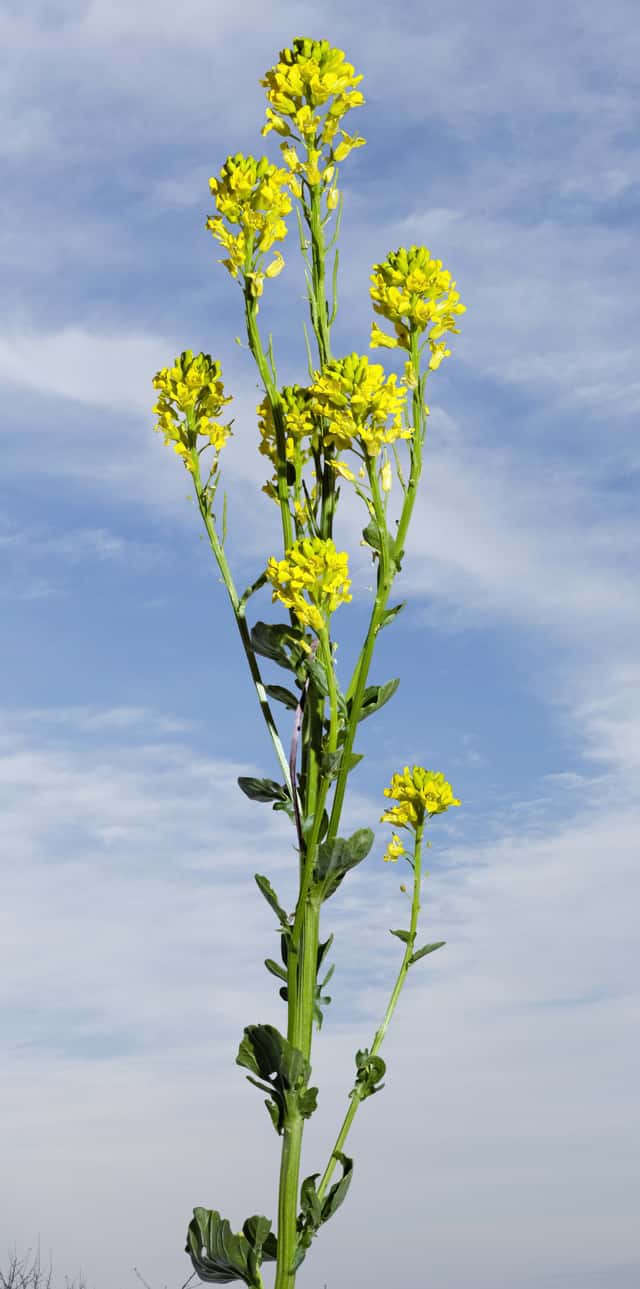
Wintercress (Barbarea vulgaris) is a biennial herbaceous plant in the Brassicaceae (mustard) family, native to Europe and widely naturalized across North America and beyond. It forms a basal rosette of dark, glossy, lobed leaves through autumn and winter, then sends up flowering stalks in early spring bearing clusters of bright yellow, four-petaled flowers. The young leaves have a pleasantly bitter, peppery flavor reminiscent of watercress or arugula and are one of the few fresh greens available during winter months. It grows in disturbed soils, roadsides, moist meadows, and stream banks, and is valued both as a wild edible and for its early-season nectar for pollinators.
How Big Does Wintercress Grow?
TLDR: Wintercress can reach up to 90cm tall with Medium growth rate.
Max height
90cm
Spread
45cm
Growth rate
Medium
Foliage
Deciduous
Plant Uses
Edible
Can be consumed
Medicinal
Medicinal properties
Medicinal Uses
- Rich in vitamins C and A — historically used to prevent and treat scurvy
- Leaf tea used as an appetizer, diuretic, and digestive aid
- Poulticed leaves applied to wounds as a traditional vulnerary remedy
- Contains indole phytoalexins with antifungal and potential anticancer properties
- Used by Cherokee peoples as a blood purifier brewed from aerial parts
Culinary Uses
- Young raw leaves in salads — bitter, peppery flavor similar to watercress or arugula
- Cooked leaves used like spinach in soups, stir-fries, omelets, and pasta dishes
- Unopened flower buds steamed or sautéed like broccoli
- Flowers used fresh as an edible garnish for salads and dishes
- Seeds ground as a peppery condiment similar to mustard
- Leaves blanched to reduce bitterness before incorporating into recipes
Is your plant showing symptoms?
Click on the symptom to discover possible causes:
What Diseases Commonly Affect Wintercress?
TLDR: Wintercress is susceptible to 7 known diseases. Monitor regularly for early detection.
Aphids
Aphids are small, soft-bodied, pear-shaped insects (1/16 to 1/8 inch long) that feed by sucking nutrient-rich sap from plants. They reproduce rapidly and can quickly weaken plants, causing distorted growth and transmitting plant viruses. Aphids come in various colors including green, black, red, yellow, brown, and gray. They secrete honeydew, a sticky substance that attracts ants and encourages sooty mold growth.
Caterpillars
Caterpillars are the larval stage of moths and butterflies that feed voraciously on plant foliage, stems, flowers, and fruits. Common species include cabbage loopers, tomato hornworms, armyworms, and cutworms. These pests can cause extensive damage by consuming large amounts of plant tissue in a short time. They vary in size from small (1/4 inch) to large (5 inches), with colors ranging from green to brown, often featuring stripes or spots. Caterpillars are highly mobile and can quickly spread throughout gardens, making them one of the most destructive common pests.
Downy Mildew
Downy mildew is a fungal-like disease caused by oomycetes (water molds) that thrives in cool, wet conditions. It affects a wide range of plants, causing yellowing leaves with fuzzy white-gray growth underneath, leading to defoliation and reduced yields if left untreated.
Alternaria Leaf Spot
Alternaria leaf spot is a common fungal disease caused by Alternaria solani and Alternaria alternata that affects a wide range of plants including tomatoes, potatoes, brassicas, and ornamentals. The disease thrives in warm, humid conditions and can cause significant crop damage if left untreated. Spores overwinter on plant debris and can attach to seeds, making complete elimination difficult.
Meaning & Symbolism
Associated with Saint Barbara, patron saint of artillerymen and protector against thunderstorms. Symbolizes resilience and nourishment — a plant that thrives and feeds through the harshest winter months when little else is green.
Fun Facts
One of the few fresh greens available in winter — hence the name "wintercress"
Named after Saint Barbara (feast day December 4th), as the leaves stay green through winter
Contains glucosinolates — the same beneficial compounds found in broccoli and kale
A true biennial: forms a rosette in year one, then flowers, sets seed, and dies in year two
Compare with similar plants
| Attribute | Difficulty | Light | Watering | Pet Safe |
|---|---|---|---|---|
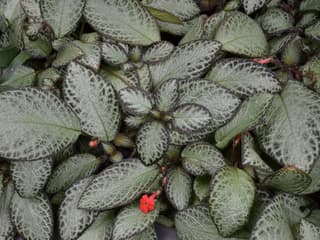
| Flame Violet | Easy | Partial shade | 7d | ✓ |
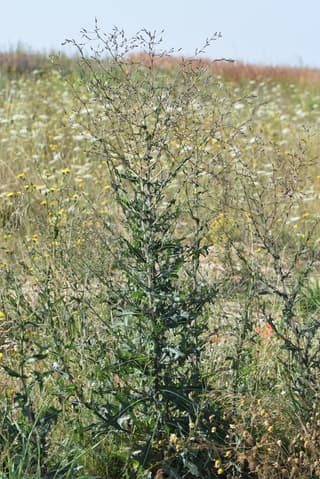
| Prickly Lettuce | Easy | Direct sun | 7d | ✓ |
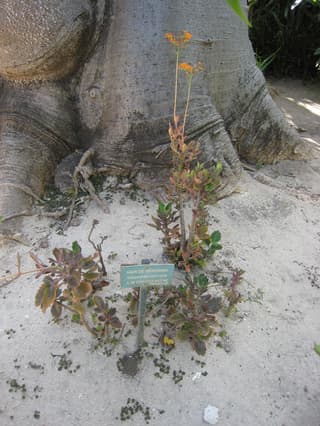
| Christmas Tree Plant | Easy | Bright indirect | 10d | ⚠️ |
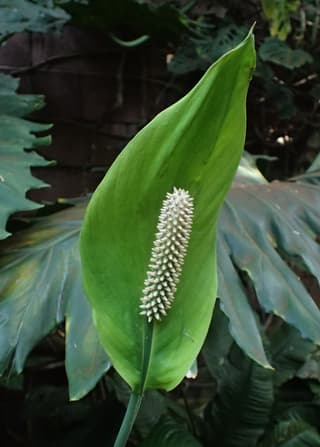
| Peace Lily | Easy | Low light | 7d | ⚠️ |