Lamiaceae
Spike Lavender (Lavandula latifolia) Care Guide
Lavandula latifolia
Give spike lavender full sun and well-drained, slightly alkaline soil. It tolerates drought exceptionally well once established and dislikes humid, waterlogged conditions. Prune lightly after flowering to keep a compact shape and encourage next season's blooms.
Every 14 days
Direct sun
-5° - °C
40% - 60%
Categories
What is Spike Lavender?
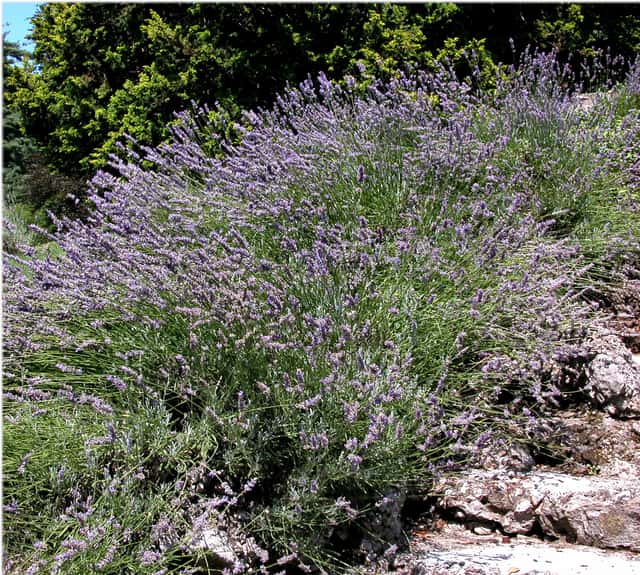
Spike Lavender (Lavandula latifolia) is a medium-care plant from the Lamiaceae family. Spike lavender is a bushy, evergreen Mediterranean sub-shrub native to Spain, Portugal and southern France. Compared to English lavender, it has broader, grey-green leaves and single, unbranched flower spikes carried on tall stems. It produces the most potent, camphor-rich essential oil of all laven...
Spike Lavender grows up to 80cm, spread of 80cm, watering every 14 days, 40–60% humidity. It is not suitable for indoor environments and not safe for pets.
Without precautions, ingestion can cause irritation in pets. Keep out of reach of cats and dogs.
How to Care for Spike Lavender?
TLDR: Spike Lavender needs Direct sun, watering every 14 days, and temperatures between -5-30°C with 40-60% humidity.
How Often Should You Water Spike Lavender?
Water deeply but infrequently, letting the soil dry out between waterings; established plants need little supplemental water outside of prolonged drought.
How Much Light Does Spike Lavender Need?
Needs at least 6-8 hours of direct sun daily; flowering and essential oil production suffer in shade.
What Is the Best Soil for Spike Lavender?
Plant in sandy, chalky or well-draining soil with a neutral to alkaline pH; avoid heavy, wet clay that encourages root rot.
What Pot Should You Use for Spike Lavender?
Terracotta pot with drainage holes; unglazed clay helps excess moisture evaporate and reduces root rot risk.
Care Schedule
Fertilize
Every 365 days
What Is Spike Lavender and Where Does It Come From?
Spike lavender is a bushy, evergreen Mediterranean sub-shrub native to Spain, Portugal and southern France. Compared to English lavender, it has broader, grey-green leaves and single, unbranched flower spikes carried on tall stems. It produces the most potent, camphor-rich essential oil of all lavenders and is one of the two parent species used to create lavandin hybrids.
How to Propagate Spike Lavender?
Semi-ripe stem cuttings
Avoid overwatering the cuttings; excess moisture causes rot before roots develop.
- 1 Cut 7-10cm semi-ripe non-flowering shoots in mid-to-late summer
- 2 Strip the lower leaves and dip the cut end in rooting hormone
- 3 Insert into a free-draining mix of sand and compost
- 4 Keep in bright, indirect light and lightly moist until roots form
Materials needed:
Seed sowing
Cold-stratifying seeds for a few weeks before sowing can improve germination rates.
- 1 Sow seeds on the surface of a well-draining seed mix
- 2 Keep at around 15C and lightly moist
- 3 Germination is slow and uneven, so be patient
- 4 Transplant seedlings once they have several true leaves
Materials needed:
Simple layering
Wounding the underside of the stem slightly before pinning can speed up rooting.
- 1 Bend a low, flexible stem to the ground
- 2 Pin the stem down and cover the pinned section with soil
- 3 Keep the area consistently moist
- 4 Once roots form, cut the new plant free from the parent
Materials needed:
How Big Does Spike Lavender Grow?
TLDR: Spike Lavender can reach up to 80cm tall with Medium growth rate.
Max height
80cm
Spread
80cm
Growth rate
Medium
Foliage
Evergreen
Warning: Toxic Plant
This plant can be toxic if ingested. Keep out of reach of:
Plant Uses
Ornamental
Great for decoration
Aromatic
Pleasant fragrance
Medicinal
Medicinal properties
Medicinal Uses
- Antiseptic and antimicrobial essential oil
- Traditional remedy for respiratory congestion and skin irritation
- Antispasmodic and calming aromatherapy oil
Is your plant showing symptoms?
Click on the symptom to discover possible causes:
What Diseases Commonly Affect Spike Lavender?
TLDR: Spike Lavender is susceptible to 6 known diseases. Monitor regularly for early detection.
Root Rot
Root rot is a serious fungal disease that affects the root system of plants, causing them to decay and die. It is primarily caused by overwatering, poor drainage, or soil-borne fungi such as Pythium, Phytophthora, Rhizoctonia, and Fusarium. The disease thrives in waterlogged conditions where roots are deprived of oxygen, making them susceptible to fungal infection.
Botrytis
Septoria Leaf Spot
Septoria leaf spot is a destructive fungal disease caused by Septoria lycopersici, particularly devastating during seasons of moderate temperature and abundant rainfall. The disease starts on lower leaves and progresses upward, causing small circular spots with tan to gray centers and dark brown margins. If left untreated, it can dramatically reduce plant yields and cause complete leaf blight.
Aphids
Aphids are small, soft-bodied, pear-shaped insects (1/16 to 1/8 inch long) that feed by sucking nutrient-rich sap from plants. They reproduce rapidly and can quickly weaken plants, causing distorted growth and transmitting plant viruses. Aphids come in various colors including green, black, red, yellow, brown, and gray. They secrete honeydew, a sticky substance that attracts ants and encourages sooty mold growth.
Meaning & Symbolism
Calm, serenity, loyalty and devotion.
Fun Facts
It yields the essential oil with the highest camphor and cineole content of any lavender species.
It is one of the two parent species of lavandin (Lavandula x intermedia), alongside English lavender.
In the wild it can grow from sea level up to 1700m elevation in the western Mediterranean.
Frequently asked questions
How often should I water spike lavender?
Is spike lavender toxic to pets?
What is the difference between spike lavender and English lavender?
Does spike lavender need fertilizer?
Compare with similar plants
| Attribute | Difficulty | Light | Watering | Pet Safe |
|---|---|---|---|---|
| Dark Fieldcap | Medium | Low light | 2d | ⚠️ |
| Azalea | Medium | Partial shade | 3d | ⚠️ |
| Bougainvillea | Medium | Direct sun | 7d | ⚠️ |
| Wild Lettuce | Medium | Direct sun | 7d | ⚠️ |