Euphorbiaceae
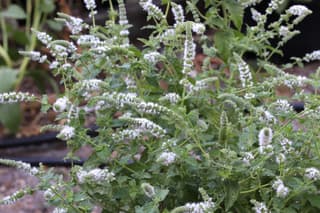
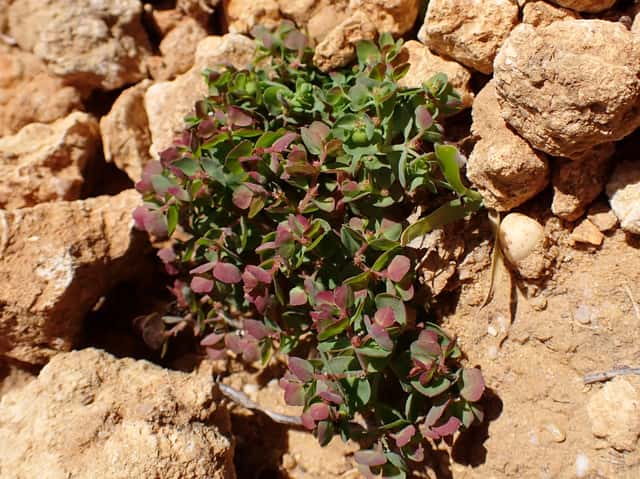
Petty Spurge (Euphorbia peplus)
Euphorbia peplus
A hardy, fast-growing plant that tolerates poor soils and prefers full to partial sun. Water moderately, letting soil dry between waterings, as it is sensitive to waterlogging.
Every 7 days
Bright indirect
5° - 30°C
30% - 60%
Categories
What is Petty Spurge?
Petty Spurge (Euphorbia peplus) is a easy-care plant from the Euphorbiaceae family. Euphorbia peplus, commonly known as petty spurge, is a small annual herbaceous plant in the Euphorbiaceae family, native to Europe and western Asia. It grows 10-40 cm tall with slender stems and alternate oval leaves. Small greenish-yellow flowers appear at the branch tips. The plant is well known f...
Petty Spurge grows up to 40cm, spread of 25cm, watering every 7 days, 5°C – 30°C, 30–60% humidity. It is not suitable for indoor environments and not safe for pets.
Unlike many tropical plants, Petty Spurge tolerates watering mistakes. Best for beginners. Without precautions, ingestion can cause irritation in pets. Keep out of reach of cats and dogs.
How to Care for Petty Spurge?
TLDR: Petty Spurge needs Bright indirect, watering every 7 days, and temperatures between 5-30°C with 30-60% humidity.
How Often Should You Water Petty Spurge?
Water only when the soil feels dry; avoid waterlogging as it promotes root rot.
How Much Light Does Petty Spurge Need?
Prefers full to partial sun, at least 6 hours of direct light per day.
What Is the Best Soil for Petty Spurge?
Well-draining soil with pH 6.0-7.5; tolerates sandy, nutrient-poor soils.
What Pot Should You Use for Petty Spurge?
Well-draining pots or full-sun garden bed
What Is Petty Spurge and Where Does It Come From?
Euphorbia peplus, commonly known as petty spurge, is a small annual herbaceous plant in the Euphorbiaceae family, native to Europe and western Asia. It grows 10-40 cm tall with slender stems and alternate oval leaves. Small greenish-yellow flowers appear at the branch tips. The plant is well known for its toxic milky latex sap, historically used in folk medicine for skin ailments.
How to Propagate Petty Spurge?
Seed sowing
The plant self-seeds readily in gardens; watch for it becoming weedy.
- 1 Collect mature seeds from dried capsules
- 2 Sow directly into soil or light substrate
- 3 Keep consistently moist until germination
Materials needed:
How Big Does Petty Spurge Grow?
TLDR: Petty Spurge can reach up to 40cm tall with Fast growth rate.
Max height
40cm
Spread
25cm
Growth rate
Fast
Foliage
Deciduous
Warning: Toxic Plant
This plant can be toxic if ingested. Keep out of reach of:
Plant Uses
Medicinal
Medicinal properties
Medicinal Uses
- Traditional topical treatment for warts and skin lesions (NOT recommended without medical supervision)
Is your plant showing symptoms?
Click on the symptom to discover possible causes:
What Diseases Commonly Affect Petty Spurge?
TLDR: Petty Spurge is susceptible to 8 known diseases. Monitor regularly for early detection.
Root Rot
Root rot is a serious fungal disease that affects the root system of plants, causing them to decay and die. It is primarily caused by overwatering, poor drainage, or soil-borne fungi such as Pythium, Phytophthora, Rhizoctonia, and Fusarium. The disease thrives in waterlogged conditions where roots are deprived of oxygen, making them susceptible to fungal infection.
White Mold
White mold (Sclerotinia sclerotiorum) is a devastating fungal disease affecting over 400 plant species worldwide. The fungus produces black, seed-like structures (sclerotia) that can survive in soil for 5 or more years. The disease is favored by cool, moist weather (50-68°F/10-20°C), especially during flowering.
Damping Off
Damping off is a soil-borne fungal disease that affects seeds and young seedlings, causing rotting of stem and root tissues at and below the soil line. It is caused by several fungi including Pythium, Rhizoctonia, Fusarium, and Phytophthora. The disease thrives in cold, wet conditions with poor air circulation.
Powdery Mildew
Powdery mildew is a common fungal disease caused by various fungi species including Erysiphe, Podosphaera, Oïdium, and Leveillula. It affects over 10,000 plant species worldwide. The disease thrives in warm, dry climates with high humidity and appears as a distinctive white powdery coating on plant surfaces.
Fun Facts
Its sap contains ingenol mebutate, a compound used in an FDA-approved medication for actinic keratosis.
It is considered a common garden weed due to its ease of self-seeding.
Frequently asked questions
Is Euphorbia peplus toxic?
How often should I water petty spurge?
Does it need direct sun?
Compare with similar plants
| Attribute | Difficulty | Light | Watering | Pet Safe |
|---|---|---|---|---|
| Field Maple | Easy | Bright indirect | 14d | ✓ |
| Silver Birch | Easy | Direct sun | 14d | ✓ |
| Cushion Bush | Easy | Direct sun | 14d | ✓ |
| Peruvian peppertree | Easy | Direct sun | 14d | ⚠️ |