Myrtaceae
Silver-leaved Mountain Gum: Complete Care Guide
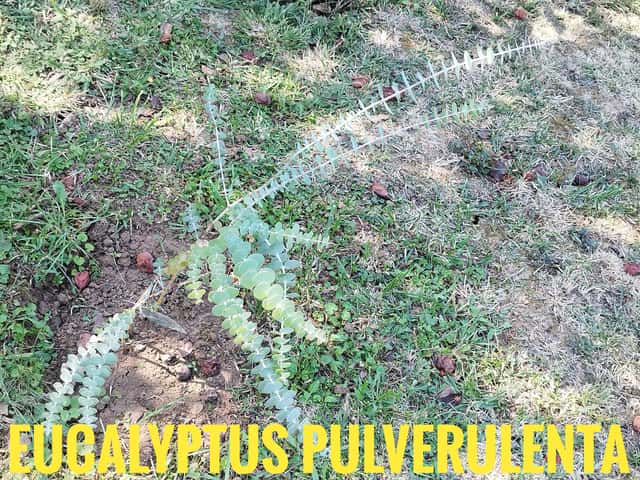
Eucalyptus pulverulenta
Grows best in full sun with well-draining soil and moderate watering. Drought-tolerant once established; fast-growing in mild climates.
Every 10 days
Direct sun
-10° - 35°C
30% - 60%
Categories
What is Silver-leaved Mountain Gum?
Silver-leaved Mountain Gum (Eucalyptus pulverulenta) is a medium-care plant from the Myrtaceae family. Eucalyptus pulverulenta, the silver-leaved mountain gum, is an evergreen tree or mallee native to the tablelands of southeastern New South Wales, Australia. It is prized for its rounded, powdery silver-blue juvenile leaves, which remain in that form even at maturity, making it a favorite in floral a...
Silver-leaved Mountain Gum grows up to 9.0m, spread of 200cm, watering every 10 days, -10°C – 35°C, 30–60% humidity. It is not suitable for indoor environments and not safe for pets.
Without precautions, ingestion can cause irritation in pets. Keep out of reach of cats and dogs.
How to Care for Silver-leaved Mountain Gum?
TLDR: Silver-leaved Mountain Gum needs Direct sun, watering every 10 days, and temperatures between -10-35°C with 30-60% humidity.
How Often Should You Water Silver-leaved Mountain Gum?
Water deeply and allow soil to dry out between waterings; avoid waterlogging to prevent root rot.
How Much Light Does Silver-leaved Mountain Gum Need?
Needs full sun to light shade; silvery foliage color intensifies with strong light.
What Is the Best Soil for Silver-leaved Mountain Gum?
Prefers well-draining soil, neutral to slightly acid or alkaline; tolerates sandy, loamy, clay and chalky soils.
What Pot Should You Use for Silver-leaved Mountain Gum?
Large pot with excellent drainage, suitable until eventual ground planting
What Is Silver-leaved Mountain Gum and Where Does It Come From?
Eucalyptus pulverulenta, the silver-leaved mountain gum, is an evergreen tree or mallee native to the tablelands of southeastern New South Wales, Australia. It is prized for its rounded, powdery silver-blue juvenile leaves, which remain in that form even at maturity, making it a favorite in floral arranging.
How to Propagate Silver-leaved Mountain Gum?
Seed propagation
Eucalyptus seed germinates best with light exposure; do not bury deeply.
- 1 Collect mature seed from woody capsules
- 2 Sow onto well-draining seed mix
- 3 Keep moist in bright indirect light until germination
- 4 Transplant seedlings once 10-15 cm tall
Materials needed:
How Big Does Silver-leaved Mountain Gum Grow?
TLDR: Silver-leaved Mountain Gum can reach up to 9.0m tall with Fast growth rate.
Max height
9.0m
Spread
2.0m
Growth rate
Fast
Foliage
Evergreen
Warning: Toxic Plant
This plant can be toxic if ingested. Keep out of reach of:
Plant Uses
Ornamental
Great for decoration
Aromatic
Pleasant fragrance
Is your plant showing symptoms?
Click on the symptom to discover possible causes:
What Diseases Commonly Affect Silver-leaved Mountain Gum?
TLDR: Silver-leaved Mountain Gum is susceptible to 5 known diseases. Monitor regularly for early detection.
Powdery Mildew
Powdery mildew is a common fungal disease caused by various fungi species including Erysiphe, Podosphaera, Oïdium, and Leveillula. It affects over 10,000 plant species worldwide. The disease thrives in warm, dry climates with high humidity and appears as a distinctive white powdery coating on plant surfaces.
Scale Insects
Scale insects are small sap-sucking pests that appear as brown, shell-like bumps on plant stems and leaves. There are over 25 species, divided into armored (hard) and unarmored (soft) scales. They feed by piercing plant tissue and extracting sap, which weakens the plant and can lead to yellowing, stunted growth, and even death if left untreated. They also excrete honeydew, which attracts ants and promotes sooty mold growth.
Mealybugs
Mealybugs are small, soft-bodied insects covered with a white, waxy, cottony material. They are common pests of houseplants and outdoor plants in mild climates. These sap-sucking insects feed on plant tissue, causing damage, stunted growth, and can lead to plant death if left untreated. They produce sticky honeydew which attracts sooty mold.
Root Rot
Root rot is a serious fungal disease that affects the root system of plants, causing them to decay and die. It is primarily caused by overwatering, poor drainage, or soil-borne fungi such as Pythium, Phytophthora, Rhizoctonia, and Fusarium. The disease thrives in waterlogged conditions where roots are deprived of oxygen, making them susceptible to fungal infection.
Meaning & Symbolism
Renewal, protection and healing - linked to the resilience of the Australian bush
Fun Facts
Its silvery round leaves are among the most popular foliage used in floral arrangements worldwide
It is native only to a few scattered populations between Bathurst and Bombala, Australia
The crushed leaves release a strong eucalyptus aroma
Frequently asked questions
Is silver-leaved mountain gum toxic to pets?
How often should I water Eucalyptus pulverulenta?
Can Eucalyptus pulverulenta be grown in a pot?
Compare with similar plants
| Attribute | Difficulty | Light | Watering | Pet Safe |
|---|---|---|---|---|
| Dark Fieldcap | Medium | Low light | 2d | ⚠️ |
| Azalea | Medium | Partial shade | 3d | ⚠️ |
| Bougainvillea | Medium | Direct sun | 7d | ⚠️ |
| Wild Lettuce | Medium | Direct sun | 7d | ⚠️ |



