Orchidaceae
Chinese Crown Orchid (Eulophia graminea): Complete Care Guide
Eulophia graminea
Chinese Crown Orchid thrives in bright light and well-draining soil. Water weekly, allowing the top inch of soil to dry slightly between waterings. It tolerates a wide range of temperatures but prefers warm, humid conditions. Fertilize every two weeks during the growing season. It is non-toxic to pets and humans.
Every 7 days
Bright indirect
15° - 38°C
60% - 85%
Categories
What is Chinese Crown Orchid?
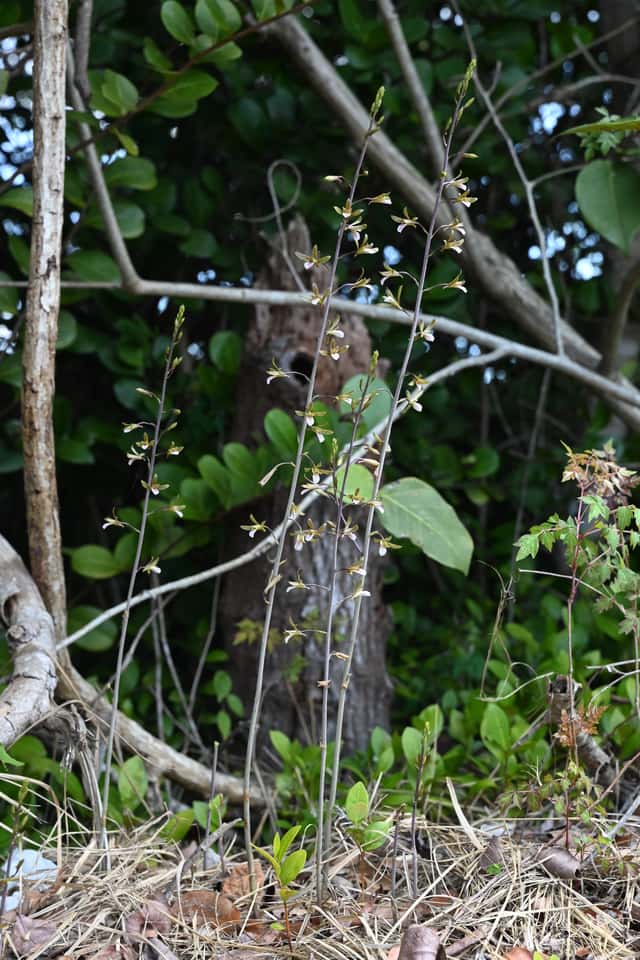
Chinese Crown Orchid (Eulophia graminea) is a medium-care plant from the Orchidaceae family. Eulophia graminea, commonly known as Chinese Crown Orchid or Grass-leaf Eulophia, is a terrestrial orchid native to South and Southeast Asia. It produces grass-like leaves from pseudobulbs and sends up tall flower spikes bearing small green and brownish-purple blooms in spring. Though elegant in its...
Chinese Crown Orchid grows up to 90cm, spread of 45cm, watering every 7 days, 15°C – 38°C, 60–85% humidity. It is suitable for indoor environments and safe for pets.
Unlike many popular species, Chinese Crown Orchid is safe to keep around pets. Without adequate drainage, root rot can develop within 14 days.
How to Care for Chinese Crown Orchid?
TLDR: Chinese Crown Orchid needs Bright indirect, watering every 7 days, and temperatures between 15-38°C with 60-85% humidity.
How Often Should You Water Chinese Crown Orchid?
Water approximately once a week, checking that the top inch of soil is slightly dry before watering again. Avoid waterlogging the roots — Eulophia graminea is susceptible to root rot in poorly draining conditions. Reduce watering during cooler winter months.
How Much Light Does Chinese Crown Orchid Need?
Provide bright, indirect light or full sun exposure — at least 4-6 hours of sunlight daily. A south-facing window or outdoor position with morning sun works best. Avoid deep shade, which will inhibit flowering.
What Is the Best Soil for Chinese Crown Orchid?
Plant in a well-draining orchid or terrestrial mix combining peat moss, perlite, and coarse sand. Slightly acidic to neutral pH (6.0–7.0) is ideal. Avoid heavy clay soils that retain too much moisture.
What Pot Should You Use for Chinese Crown Orchid?
Terracotta or unglazed clay pots with ample drainage holes are ideal, as they allow the roots to breathe and prevent waterlogging. Avoid self-watering pots.
Care Schedule
Fertilize
Every 14 days
Repot
Every 730 days
What Is Chinese Crown Orchid and Where Does It Come From?
Eulophia graminea, commonly known as Chinese Crown Orchid or Grass-leaf Eulophia, is a terrestrial orchid native to South and Southeast Asia. It produces grass-like leaves from pseudobulbs and sends up tall flower spikes bearing small green and brownish-purple blooms in spring. Though elegant in its native habitat, this species has become invasive in Florida, spreading rapidly through diverse ecosystems via dust-like seeds and wood chip mulch.
How to Propagate Chinese Crown Orchid?
Pseudobulb Division
Use clean, sterilized tools to prevent disease transmission. Avoid dividing stressed or recently repotted plants.
- 1 Wait until the plant has at least 3-4 pseudobulbs before dividing
- 2 Remove the plant from its pot and gently separate pseudobulb clumps
- 3 Ensure each division has at least 2 pseudobulbs and a healthy root system
- 4 Repot each division in fresh well-draining mix and water lightly
- 5 Place in bright indirect light and keep warm until new growth appears
Materials needed:
Seed Propagation
Seed propagation is extremely challenging without laboratory conditions. Division is strongly preferred for home growers.
- 1 Collect ripe seed pods before they split open
- 2 Sow dust-like seeds on sterile agar or moist orchid bark medium
- 3 Maintain warm (25-28°C) and high-humidity conditions
- 4 Germination is very slow; patience is required
Materials needed:
How Big Does Chinese Crown Orchid Grow?
TLDR: Chinese Crown Orchid can reach up to 90cm tall with Fast growth rate.
Max height
90cm
Spread
45cm
Growth rate
Fast
Foliage
Deciduous
Plant Uses
Ornamental
Great for decoration
Is your plant showing symptoms?
Click on the symptom to discover possible causes:
What Diseases Commonly Affect Chinese Crown Orchid?
TLDR: Chinese Crown Orchid is susceptible to 10 known diseases. Monitor regularly for early detection.
Root Rot
Root rot is a serious fungal disease that affects the root system of plants, causing them to decay and die. It is primarily caused by overwatering, poor drainage, or soil-borne fungi such as Pythium, Phytophthora, Rhizoctonia, and Fusarium. The disease thrives in waterlogged conditions where roots are deprived of oxygen, making them susceptible to fungal infection.
Overwatering
Overwatering occurs when plants receive too much water, depriving roots of oxygen and causing root rot. This environmental stress is one of the most common causes of houseplant death, as waterlogged soil prevents roots from breathing and functioning properly.
Crown Rot
Crown rot is a serious fungal disease that attacks the crown (base) of the plant where the stem meets the soil. It is caused by various fungal pathogens including Phytophthora, Fusarium, and Rhizoctonia. The disease thrives in waterlogged conditions and can quickly spread to kill the entire plant if not addressed promptly.
Mealybugs
Mealybugs are small, soft-bodied insects covered with a white, waxy, cottony material. They are common pests of houseplants and outdoor plants in mild climates. These sap-sucking insects feed on plant tissue, causing damage, stunted growth, and can lead to plant death if left untreated. They produce sticky honeydew which attracts sooty mold.
Meaning & Symbolism
Orchids in general symbolize refinement, elegance, and beauty. In Asian cultures, they represent fertility and abundance. The resilience of Eulophia graminea — thriving in rocky soils, mulch, and bare earth — adds a layer of symbolism around adaptability and survival.
Fun Facts
Eulophia graminea was first recorded as invasive in Florida in 2007 and has since spread to over 13 counties.
Its seeds are dust-like — so tiny they can spread through the air and through wood chip mulch, making it one of the most resilient orchid colonizers.
Despite being invasive in Florida, it is a prized ornamental orchid in its native South and Southeast Asian range.
It can thrive in highly degraded soils — rock, sand, and bare earth — making it exceptionally hardy for an orchid.
Frequently asked questions
How often should I water Chinese Crown Orchid?
Is Chinese Crown Orchid toxic to cats and dogs?
Why is my Chinese Crown Orchid not blooming?
Is Chinese Crown Orchid invasive?
How do I propagate Chinese Crown Orchid?
Compare with similar plants
| Attribute | Difficulty | Light | Watering | Pet Safe |
|---|---|---|---|---|
| Dark Fieldcap | Medium | Low light | 2d | ⚠️ |
| Azalea | Medium | Partial shade | 3d | ⚠️ |
| Bougainvillea | Medium | Direct sun | 7d | ⚠️ |
| Wild Lettuce | Medium | Direct sun | 7d | ⚠️ |



