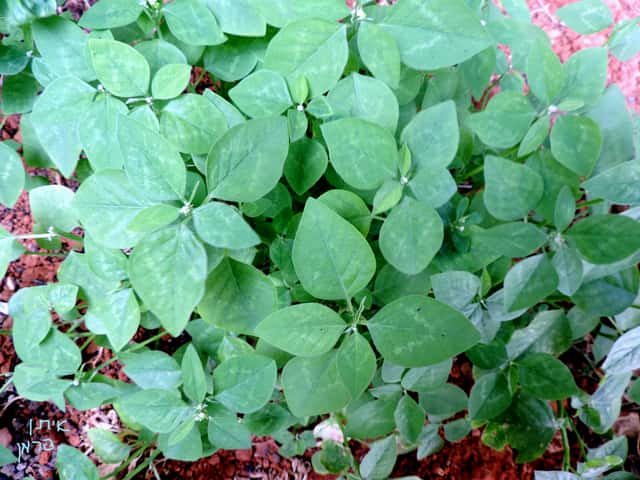
Euphorbiaceae
Euphorbia graminea - Grassleaf Spurge
Euphorbia graminea
Needs bright light and infrequent watering: it is drought tolerant but very sensitive to overwatering, which can cause root rot. Prefers very well-draining soil and warm-to-mild climates.
Every 12 days
Bright indirect
° - °C
% - %
Categories
What is Grassleaf Spurge?
Grassleaf Spurge (Euphorbia graminea) is a easy-care plant from the Euphorbiaceae family. Euphorbia graminea, commonly known as grassleaf spurge, is a herbaceous to subshrubby plant in the Euphorbiaceae family, native to Mexico, Central America, and parts of South America and the Caribbean. It grows 10 to 50 cm tall, occasionally reaching up to 1 meter. Thin, branching stems bear opposit...
Grassleaf Spurge grows up to 1.0m, watering every 12 days. It is suitable for indoor environments and not safe for pets.
Unlike many tropical plants, Grassleaf Spurge tolerates watering mistakes. Best for beginners. Without precautions, ingestion can cause irritation in pets. Keep out of reach of cats and dogs. Without adequate drainage, root rot can develop within 24 days.
How to Care for Grassleaf Spurge?
TLDR: Grassleaf Spurge needs Bright indirect, watering every 12 days, and temperatures between 15-30°C with 40-70% humidity.
How Often Should You Water Grassleaf Spurge?
Let the soil dry out completely between waterings; overwatering is the most common cause of problems in this species.
How Much Light Does Grassleaf Spurge Need?
Place it in bright light, ideally near a sunny window indoors or in full sun to part shade outdoors; it does not tolerate deep shade.
What Is the Best Soil for Grassleaf Spurge?
Use a fast-draining mix with plenty of perlite or coarse sand plus a little organic matter to keep roots from sitting in moisture.
What Pot Should You Use for Grassleaf Spurge?
A well-draining pot with several drainage holes, ideally terracotta, which helps wick away excess moisture.
Care Schedule
Repot
Every 365 days
What Is Grassleaf Spurge and Where Does It Come From?
Euphorbia graminea, commonly known as grassleaf spurge, is a herbaceous to subshrubby plant in the Euphorbiaceae family, native to Mexico, Central America, and parts of South America and the Caribbean. It grows 10 to 50 cm tall, occasionally reaching up to 1 meter. Thin, branching stems bear opposite leaves up to 4 cm long, and tiny flower clusters (cyathia) are surrounded by white bract-like appendages that create a cloud-like, baby's-breath effect. It is the wild species behind the popular ornamental cultivar Diamond Frost, prized for its near-continuous white blooms. Like all spurges, it produces a milky latex sap that can irritate skin and eyes and is toxic if ingested.
How to Propagate Grassleaf Spurge?
Stem cutting
Let the milky sap stop oozing before planting the cutting; use rooting hormone and keep the substrate lightly moist at around 25°C.
- 1 Cut a roughly 10 cm cutting from a healthy stem
- 2 Let the latex stop dripping and apply rooting hormone
- 3 Bury two-thirds of the cutting in a moist soil-and-sand mix
- 4 Keep at around 25°C with steady moisture until it roots
Materials needed:
Seed sowing
The wild form produces seed capsules; ornamental cultivars like Diamond Frost are usually sterile and do not produce viable seed.
- 1 Sow seeds in spring in a light, moist substrate
- 2 Keep warm and bright until germination
- 3 Transplant seedlings once they have several true leaves
Materials needed:
How Big Does Grassleaf Spurge Grow?
TLDR: Grassleaf Spurge can reach up to 1.0m tall with Slow growth rate.
Max height
1.0m
Growth rate
Slow
Foliage
Evergreen
Warning: Toxic Plant
This plant can be toxic if ingested. Keep out of reach of:
Plant Uses
Ornamental
Great for decoration
Ground Cover
Soil coverage
Is your plant showing symptoms?
Click on the symptom to discover possible causes:
What Diseases Commonly Affect Grassleaf Spurge?
TLDR: Grassleaf Spurge is susceptible to 8 known diseases. Monitor regularly for early detection.
Root Rot
Root rot is a serious fungal disease that affects the root system of plants, causing them to decay and die. It is primarily caused by overwatering, poor drainage, or soil-borne fungi such as Pythium, Phytophthora, Rhizoctonia, and Fusarium. The disease thrives in waterlogged conditions where roots are deprived of oxygen, making them susceptible to fungal infection.
Overwatering
Overwatering occurs when plants receive too much water, depriving roots of oxygen and causing root rot. This environmental stress is one of the most common causes of houseplant death, as waterlogged soil prevents roots from breathing and functioning properly.
Powdery Mildew
Powdery mildew is a common fungal disease caused by various fungi species including Erysiphe, Podosphaera, Oïdium, and Leveillula. It affects over 10,000 plant species worldwide. The disease thrives in warm, dry climates with high humidity and appears as a distinctive white powdery coating on plant surfaces.
Gray Mold (Botrytis Blight)
Gray mold, caused by the fungus Botrytis cinerea, is a widespread necrotrophic pathogen affecting over 1,400 plant species. It thrives in cool, humid conditions and attacks weakened or aging plant tissues, causing soft rot and characteristic gray fuzzy growth.
Meaning & Symbolism
Its light, airy white flowers symbolize purity and delicacy, while its drought tolerance represents quiet resilience; the protective milky sap has traditionally been linked to protection.
Fun Facts
It is the wild species behind the popular ornamental cultivar Diamond Frost.
Its tiny flowers surrounded by white bracts resemble baby's breath so closely that in Portuguese it is called falsa-gipsofila.
Like other spurges, its milky sap is a natural defense mechanism against herbivores.
Frequently asked questions
Is Euphorbia graminea toxic to cats and dogs?
How often should I water my grassleaf spurge?
Why are the leaves dropping or turning yellow?
Can it be grown outdoors year-round?
Compare with similar plants
| Attribute | Difficulty | Light | Watering | Pet Safe |
|---|---|---|---|---|
| Field Maple | Easy | Bright indirect | 14d | ✓ |
| Silver Birch | Easy | Direct sun | 14d | ✓ |
| Common Blanketflower | Easy | Direct sun | 10d | ✓ |
| Cushion Bush | Easy | Direct sun | 14d | ✓ |





