Pinaceae
European Larch: Aromatic Plant
Larix decidua
European Larch requires a full sun position – it is one of the most light-demanding conifers and tolerates shade poorly. It prefers fertile, well-draining, and moderately moist soil with a pH of 5.0-7.5. It is exceptionally frost-hardy but does not tolerate waterlogged roots, prolonged drought, or severe air pollution in cities.
Every 10 days
Direct sun
-40° - 32°C
40% - 80%
Categories
What is European Larch?
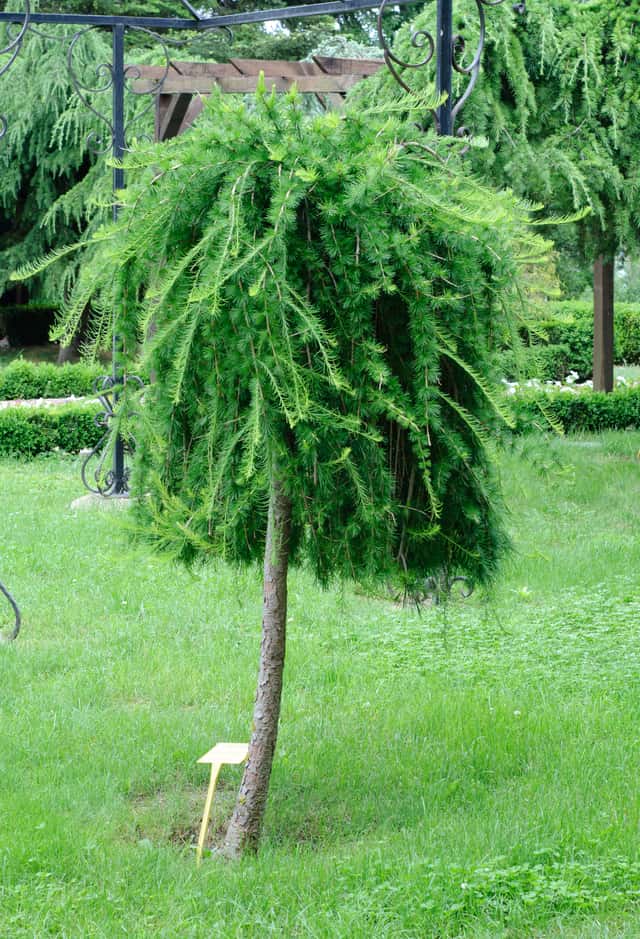
European Larch (Larix decidua) is a medium-care plant from the Pinaceae family. European Larch (Larix decidua) is a deciduous coniferous tree species from the pine family (Pinaceae), native to the mountains of Central Europe – the Alps and Carpathians. As one of the few conifers, it sheds its soft, bright green needles, gathered in bundles, in winter, which turn golden-yellow i...
European Larch grows up to 45.0m, spread of 1000cm, watering every 10 days, -40°C – 32°C, 40–80% humidity. It is not suitable for indoor environments and safe for pets.
Unlike many popular species, European Larch is safe to keep around pets.
How to Care for European Larch?
TLDR: European Larch needs Direct sun, watering every 10 days, and temperatures between -40-32°C with 40-80% humidity.
How Often Should You Water European Larch?
Water young trees regularly, especially during dry periods and in the first 2-3 years after planting. Older, well-established specimens are more resistant to occasional lack of water, but they grow best with consistent, moderate soil moisture – avoid both drying out and waterlogging the roots.
How Much Light Does European Larch Need?
Plant larch only in a full sun location. In shade, it loses its lower branches, becomes sparse, and is more susceptible to fungal diseases.
What Is the Best Soil for European Larch?
It grows best in deep, fertile, well-draining loamy-sandy soils with a reaction from slightly acidic to neutral. It avoids waterlogged, compacted, and nutrient-poor soils.
What Pot Should You Use for European Larch?
European Larch grows best directly in the ground as a park or forest tree. Bonsai forms require large, frost-resistant ceramic pots with good drainage.
Care Schedule
Fertilize
Every 365 days
What Is European Larch and Where Does It Come From?
European Larch (Larix decidua) is a deciduous coniferous tree species from the pine family (Pinaceae), native to the mountains of Central Europe – the Alps and Carpathians. As one of the few conifers, it sheds its soft, bright green needles, gathered in bundles, in winter, which turn golden-yellow in autumn. It can reach heights of 30-45 m and is one of the fastest-growing coniferous trees in temperate climates, growing up to 60 cm annually when young. It is a pioneer species, exceptionally frost-hardy (USDA zones 2-6), and long-lived – some specimens in Europe reach an age of up to 500 years. Larch wood is very durable and valued in construction and carpentry.
How to Propagate European Larch?
Seed Sowing
- Maintain constant soil moisture, but avoid overwatering
- Protect young seedlings from direct, scorching sun in the first year
- 1 Seed Collection
Collect mature cones in autumn before they open naturally, and extract the seeds.
- 2 Stratification
Subject seeds to cold stratification for 30-90 days at a temperature of 1-5 degrees Celsius.
- 3 Sowing
Sow seeds in spring into a light, sandy-peat substrate at a depth of about 1 cm.
Materials needed:
Grafting
- Grafting is best done in a greenhouse
- Ensure high hygiene of cutting tools
- 1 Rootstock Preparation
Use 2-3 year old European Larch seedlings as rootstocks.
- 2 Scion Collection
Collect scions from ornamental varieties during dormancy (January-February).
- 3 Grafting
Perform side-veneer grafting and secure the union point.
Materials needed:
How Big Does European Larch Grow?
TLDR: European Larch can reach up to 45.0m tall with Fast growth rate.
Max height
45.0m
Spread
10.0m
Growth rate
Fast
Foliage
Deciduous
Plant Uses
Ornamental
Great for decoration
Medicinal
Medicinal properties
Aromatic
Pleasant fragrance
Medicinal Uses
- Resin used for the production of Venetian turpentine
- Traditional poultices and inhalations for respiratory infections
- Baths with warming and anti-rheumatic effects
Culinary Uses
- Syrup from young larch shoots
- Tinctures and teas from young needles
Is your plant showing symptoms?
Click on the symptom to discover possible causes:
What Diseases Commonly Affect European Larch?
TLDR: European Larch is susceptible to 6 known diseases. Monitor regularly for early detection.
Canker
Canker is a disease caused by various fungi and bacteria that create necrotic, sunken areas on bark of branches, stems, and trunks. Pathogens enter through wounds and natural openings, especially when plants are stressed. Canker can gradually weaken or kill branches by disrupting water and nutrient flow.
Rust
Rust is a common fungal disease caused by fungi in the order Pucciniales that affects a wide variety of plants. The disease gets its name from the characteristic orange, yellow, or reddish-brown pustules that appear on leaves, resembling metal rust. This obligate fungal parasite requires living plants to survive and can cause significant economic losses in agricultural crops.
Phytophthora Root Rot
Disease caused by fungus-like organisms (oomycetes) that live in soil and can survive for years. It affects roots, stem, and crown of plants, being especially severe in waterlogged or poorly drained soils. It is the second most common cause of root rot in trees and shrubs.
Aphids
Aphids are small, soft-bodied, pear-shaped insects (1/16 to 1/8 inch long) that feed by sucking nutrient-rich sap from plants. They reproduce rapidly and can quickly weaken plants, causing distorted growth and transmitting plant viruses. Aphids come in various colors including green, black, red, yellow, brown, and gray. They secrete honeydew, a sticky substance that attracts ants and encourages sooty mold growth.
Meaning & Symbolism
In Alpine and Slavic cultures, the larch symbolizes renewal, perseverance, and protection – as a tree that 'dies' each winter only to be reborn in spring.
Compare with similar plants
| Attribute | Difficulty | Light | Watering | Pet Safe |
|---|---|---|---|---|
| Dark Fieldcap | Medium | Low light | 2d | ⚠️ |
| Azalea | Medium | Partial shade | 3d | ⚠️ |
| Bougainvillea | Medium | Direct sun | 7d | ⚠️ |
| Wild Lettuce | Medium | Direct sun | 7d | ⚠️ |
Choose & Compare
Sources & References
- Larix decidua - NC State Extension Gardener Plant Toolbox
- Larix decidua - US Forest Service FEIS
- Larix decidua: complete care and characteristics
- Larix decidua - Plants For A Future
- Identify & Treat European Larch Tree Diseases
- Modrzew europejski - zielonyogrodek.pl
- European Larch Is Not Toxic To Cats - Greg



