Fabaceae
White Silk Tree (Albizia niopoides): Complete Care Guide
Albizia niopoides
Low-maintenance outdoor tree ideal for large gardens, parks, and urban greening projects. Requires full sun and well-draining soil. Highly drought-tolerant once established, needing regular watering only during the first few months after planting. Apply organic fertilizer in spring to support growth. Annual maintenance pruning to remove dead or diseased branches is recommended.
Every 14 days
Direct sun
5° - 38°C
40% - 70%
Categories
What is White Silk Tree?
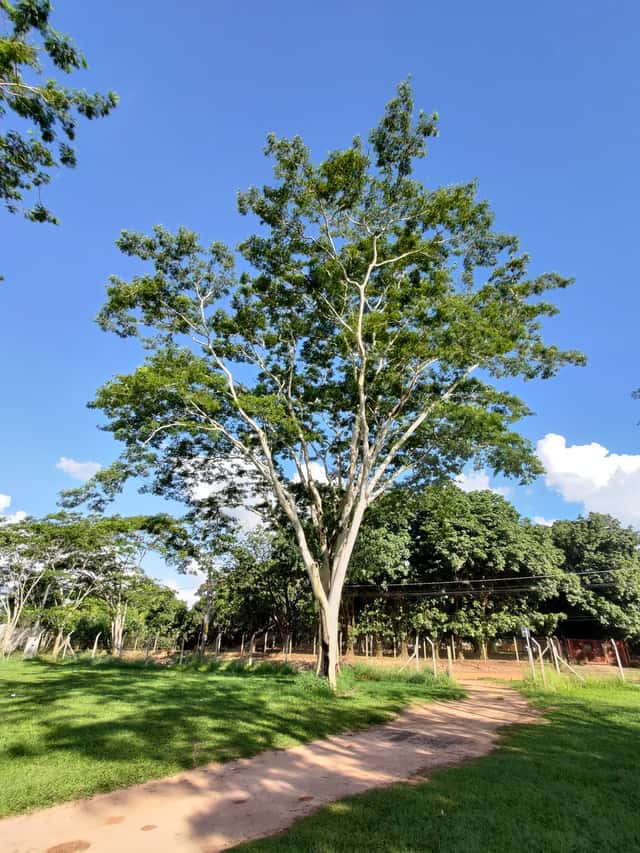
White Silk Tree (Albizia niopoides) is a easy-care plant from the Fabaceae family. Albizia niopoides, commonly known as White Silk Tree or Farinha Seca, is a fast-growing deciduous tree native to South America and Central America, belonging to the Fabaceae family. It can reach 10 to 35 meters in height, developing a characteristic wide, umbrella-shaped crown. Its delicate white to...
White Silk Tree grows up to 35.0m, with spread of 2000cm, watering every 14 days, 5°C – 38°C, 40–70% humidity. It is not suitable for indoor environments and safe for pets.
Unlike many tropical plants, White Silk Tree tolerates watering mistakes. Best for beginners. Unlike many popular species, White Silk Tree is safe to keep around pets.
How to Care for White Silk Tree?
TLDR: White Silk Tree needs Direct sun, watering every 14 days, and temperatures between 5-38°C with 40-70% humidity.
How Often Should You Water White Silk Tree?
Water regularly during the establishment period (first 3-6 months after planting). Once mature, the White Silk Tree is highly drought-tolerant and requires watering only every 2 weeks during prolonged dry periods. Avoid waterlogging, which can cause root rot.
How Much Light Does White Silk Tree Need?
Requires full sun with at least 6 hours of direct sunlight daily. Does not tolerate shaded environments and grows most vigorously in open, sunny spaces. Wind-tolerant, capable of withstanding hurricane-force winds in tropical regions.
What Is the Best Soil for White Silk Tree?
Prefers deep, well-draining soil rich in organic matter. Tolerates poor and nutrient-deficient soils. Ideal pH range is 5.5 to 7.5. Good drainage is essential to prevent root rot.
What Pot Should You Use for White Silk Tree?
As a large-growing tree, it is not suitable for container cultivation. Plant directly in the ground in spacious areas such as gardens, parks, or reforestation sites.
Care Schedule
Fertilize
Every 90 days
What Is White Silk Tree and Where Does It Come From?
Albizia niopoides, commonly known as White Silk Tree or Farinha Seca, is a fast-growing deciduous tree native to South America and Central America, belonging to the Fabaceae family. It can reach 10 to 35 meters in height, developing a characteristic wide, umbrella-shaped crown. Its delicate white to light-pink feathery flowers bloom from spring through summer, attracting bees and hummingbirds. The tree is known for nitrogen fixation, making it valuable for reforestation and agroforestry. It is highly drought-tolerant once established and adapts well to a wide range of tropical and subtropical conditions.
How to Propagate White Silk Tree?
Seed Propagation
Scarification with hot water is essential to improve germination rates, which typically do not exceed 30%. Use well-draining substrate and avoid waterlogging.
- 1 Collect mature seeds and soak them in warm water for 24 hours to break dormancy.
- 2 Sow in trays or bags with moist, well-draining substrate.
- 3 Keep in a sunny, moist location until germination (10 to 40 days).
- 4 When seedlings reach 3-5 cm, transplant to individual pots.
- 5 After 4 months of growth in pots, seedlings are ready for permanent planting.
Materials needed:
How Big Does White Silk Tree Grow?
TLDR: White Silk Tree can reach up to 35.0m tall with Fast growth rate.
Max height
35.0m
Spread
20.0m
Growth rate
Fast
Foliage
Deciduous
Plant Uses
Ornamental
Great for decoration
Medicinal
Medicinal properties
Medicinal Uses
- Saponin-rich roots are used in traditional medicine to treat contusions and angina.
- Boiled bark is traditionally applied to relieve scorpion bites.
Is your plant showing symptoms?
Click on the symptom to discover possible causes:
What Diseases Commonly Affect White Silk Tree?
TLDR: White Silk Tree is susceptible to 8 known diseases. Monitor regularly for early detection.
Aphids
Aphids are small, soft-bodied, pear-shaped insects (1/16 to 1/8 inch long) that feed by sucking nutrient-rich sap from plants. They reproduce rapidly and can quickly weaken plants, causing distorted growth and transmitting plant viruses. Aphids come in various colors including green, black, red, yellow, brown, and gray. They secrete honeydew, a sticky substance that attracts ants and encourages sooty mold growth.
Spider Mites
Spider mites are tiny arachnids (less than 1/20 inch long) related to spiders and ticks that feed on plant sap. They thrive in hot, dry conditions and can cause significant damage to ornamental and vegetable plants. During severe infestations, crop losses can reach 14% or higher as these pests disrupt vital plant processes including photosynthesis, carbon dioxide absorption, and transpiration.
Scale Insects
Scale insects are small sap-sucking pests that appear as brown, shell-like bumps on plant stems and leaves. There are over 25 species, divided into armored (hard) and unarmored (soft) scales. They feed by piercing plant tissue and extracting sap, which weakens the plant and can lead to yellowing, stunted growth, and even death if left untreated. They also excrete honeydew, which attracts ants and promotes sooty mold growth.
Root Rot
Root rot is a serious fungal disease that affects the root system of plants, causing them to decay and die. It is primarily caused by overwatering, poor drainage, or soil-borne fungi such as Pythium, Phytophthora, Rhizoctonia, and Fusarium. The disease thrives in waterlogged conditions where roots are deprived of oxygen, making them susceptible to fungal infection.
Meaning & Symbolism
A symbol of renewal and generosity, the White Silk Tree represents the natural beauty of South American forests. Its ability to attract pollinators makes it a symbol of ecological harmony and environmental stewardship.
Fun Facts
Albizia niopoides is a legume that fixes atmospheric nitrogen through symbiotic bacteria in its roots, naturally enriching the surrounding soil.
Despite reaching 35 meters in the wild, in urban environments it rarely exceeds 15 meters in height.
Its flowers resemble small pink and white pompons and are an important nectar source for native bees and hummingbirds.
The species is highly wind-resistant, withstanding hurricane-force winds in tropical and subtropical regions.
Frequently asked questions
Can the White Silk Tree be grown in a pot?
How often should I water the White Silk Tree?
Is the White Silk Tree toxic to pets?
How fast does the White Silk Tree grow?
When does the White Silk Tree bloom?
Compare with similar plants
| Attribute | Difficulty | Light | Watering | Pet Safe |
|---|---|---|---|---|
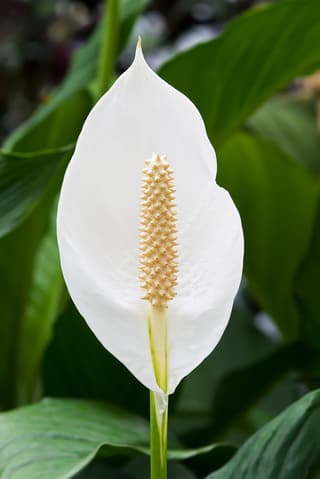
| Peace Lily | Easy | Low light | 4d | ⚠️ |
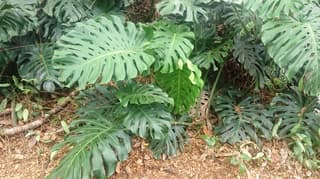
| Swiss Cheese Plant | Easy | Partial shade | 10d | ⚠️ |
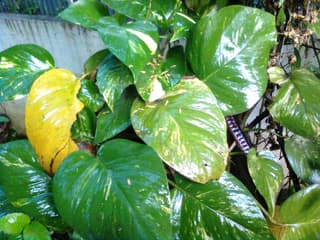
| Golden Pothos | Easy | Low light | 8d | ⚠️ |
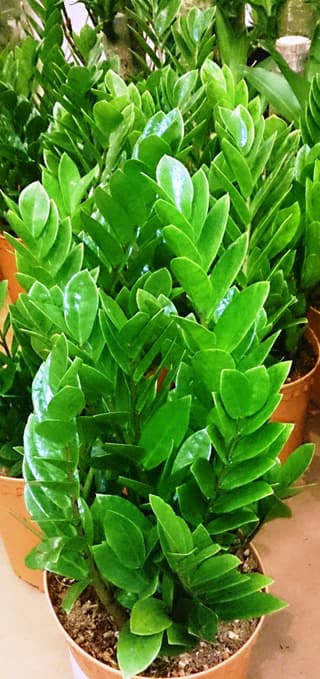
| ZZ Plant | Easy | Low light | 18d | ⚠️ |