Araceae
Philodendron Gloriosum: Perfect Indoor Houseplant
Philodendron gloriosum
A demanding plant that requires bright indirect light, high humidity (60-80%), moderate watering when the top few inches of soil are dry, and a well-draining substrate with chunky components like bark and perlite. It grows slowly, producing one leaf every 1-2 months under optimal conditions.
Every 7 days
Partial shade
18° - 29°C
60% - 80%
Categories
What is Philodendron Gloriosum?
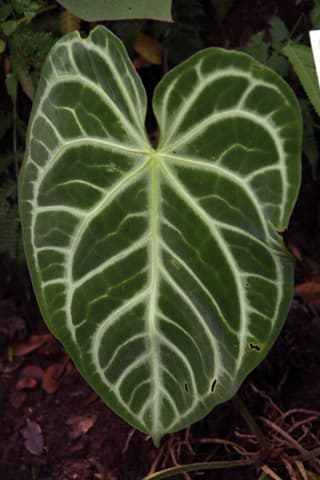
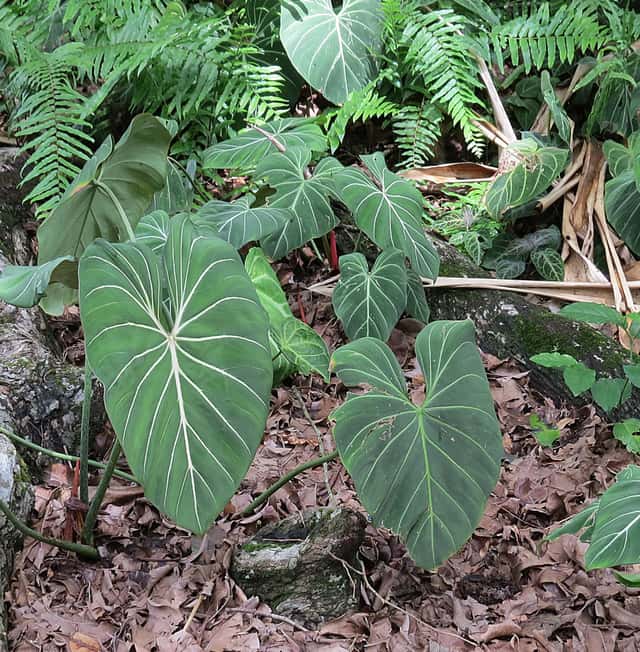
Philodendron Gloriosum (Philodendron gloriosum) is a hard-care plant from the Araceae family. Philodendron gloriosum is a terrestrial plant from the Araceae family, native to the tropical rainforests of Colombia and other regions of South America. It is distinguished by its massive, velvety dark green leaves adorned with prominent white, fishbone-patterned veins. Its crawling habit makes it...
Philodendron Gloriosum grows up to 90cm, spread of 90cm, watering every 7 days, 18°C – 29°C, 60–80% humidity. It is suitable for indoor environments and not safe for pets.
Unlike easy-care plants, Philodendron Gloriosum demands constant attention to humidity and light. Not recommended for beginners. Without precautions, ingestion can cause irritation in pets. Keep out of reach of cats and dogs. Without adequate drainage, root rot can develop within 14 days.
How to Care for Philodendron Gloriosum?
TLDR: Philodendron Gloriosum needs Partial shade, watering every 7 days, and temperatures between 18-29°C with 60-80% humidity.
How Often Should You Water Philodendron Gloriosum?
Water when the top 1 inch (2-3 cm) of the substrate is dry to the touch, approximately every 7 days in summer and less frequently in winter. Avoid waterlogging as it is very susceptible to root rot. Use chlorine-free water at room temperature.
How Much Light Does Philodendron Gloriosum Need?
Place the plant about 3 feet from a south-facing window or directly in an east or west-facing window where it does not receive direct sun. It needs bright indirect light to maintain its characteristic colors and develop large leaves. Avoid full shade and direct sun exposure.
What Is the Best Soil for Philodendron Gloriosum?
Use an airy aroid mix: combine orchid bark, perlite, and coconut coir or peat moss in equal parts. The substrate should drain quickly but retain some moisture. A pH between 5.0 and 7.0 is ideal. Avoid compact substrates that retain too much water.
What Pot Should You Use for Philodendron Gloriosum?
Terracotta or ceramic pot with a generous drainage hole. Wide, shallow pots are ideal to accommodate the horizontal growth of the rhizome. Avoid plastic pots without drainage.
Care Schedule
Fertilize
Every 30 days
Misting
Every 3 days
Repot
Every 548 days
What Is Philodendron Gloriosum and Where Does It Come From?
Philodendron gloriosum is a terrestrial plant from the Araceae family, native to the tropical rainforests of Colombia and other regions of South America. It is distinguished by its massive, velvety dark green leaves adorned with prominent white, fishbone-patterned veins. Its crawling habit makes it unique among collector philodendrons, as the rhizome grows horizontally along the ground. It is considered one of the most coveted indoor plants by tropical plant collectors worldwide.
How to Propagate Philodendron Gloriosum?
Rhizome cuttings
Use clean, sharp tools. Keep the substrate slightly moist but never soggy. Rooting occurs best at temperatures between 72-79°F (22-26°C).
- 1 Identify a section of the rhizome with at least one node and a healthy leaf
- 2 Cut cleanly between nodes with a sterilized tool
- 3 Allow the cut to callus for a few hours
- 4 Place the cutting in moist sphagnum moss or an airy substrate
- 5 Maintain high humidity and warm temperatures until roots appear
Materials needed:
How Big Does Philodendron Gloriosum Grow?
TLDR: Philodendron Gloriosum can reach up to 90cm tall with Slow growth rate.
Max height
90cm
Spread
90cm
Growth rate
Slow
Foliage
Evergreen
Warning: Toxic Plant
This plant can be toxic if ingested. Keep out of reach of:
Plant Uses
Ornamental
Great for decoration
Air Purifying
Improves air quality
Is your plant showing symptoms?
Click on the symptom to discover possible causes:
What Diseases Commonly Affect Philodendron Gloriosum?
TLDR: Philodendron Gloriosum is susceptible to 12 known diseases. Monitor regularly for early detection.
Root Rot
Root rot is a serious fungal disease that affects the root system of plants, causing them to decay and die. It is primarily caused by overwatering, poor drainage, or soil-borne fungi such as Pythium, Phytophthora, Rhizoctonia, and Fusarium. The disease thrives in waterlogged conditions where roots are deprived of oxygen, making them susceptible to fungal infection.
Spider Mites
Spider mites are tiny arachnids (less than 1/20 inch long) related to spiders and ticks that feed on plant sap. They thrive in hot, dry conditions and can cause significant damage to ornamental and vegetable plants. During severe infestations, crop losses can reach 14% or higher as these pests disrupt vital plant processes including photosynthesis, carbon dioxide absorption, and transpiration.
Thrips
Thrips are tiny cigar-shaped insects (1/25-inch long) that damage plants by sucking plant juices and scraping at fruits, flowers, and leaves. With over 6,000 species and rapid reproduction (lifecycle as short as 14 days), they can quickly infest plants and transmit viruses like tomato spotted wilt virus.
Leaf Spot
Leaf spot is a common fungal disease caused by various pathogens including Alternaria, Ascochyta, Colletotrichum, Septoria, and Venturia. It primarily affects leaves, causing discolored spots that can lead to premature leaf drop if left untreated.
Meaning & Symbolism
Admiration, rarity, and luxury in the world of collector plants.
Compare with similar plants
| Attribute | Difficulty | Light | Watering | Pet Safe |
|---|---|---|---|---|
| Congo Philodendron | Medium | Partial shade | 10d | ⚠️ |
| Creeping bentgrass | Hard | Direct sun | 3d | ✓ |
| Peace Lily | Easy | Low light | 7d | ⚠️ |
| Cunjevoi | Medium | Bright indirect | 8d | ⚠️ |