Rosaceae
Common Ninebark (Physocarpus opulifolius): Complete Care Guide
Physocarpus opulifolius
Low-maintenance, adaptable shrub. Tolerates drought, clay soil, and partial shade. Annual pruning after bloom keeps shape. Extremely cold-hardy.
Every 10 days
Bright indirect
-40° - 35°C
30% - 60%
Categories
What is Common Ninebark?
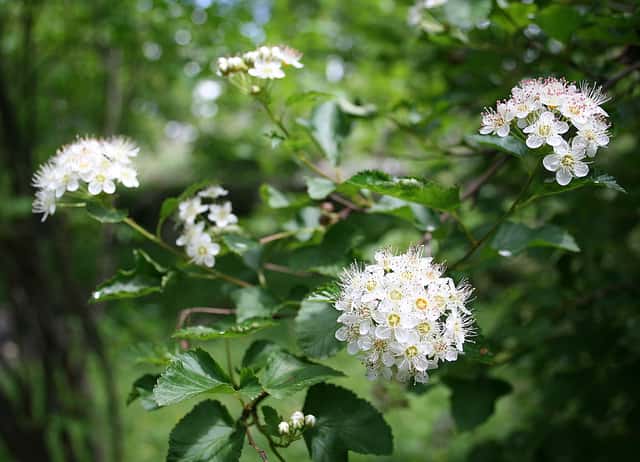
Common Ninebark (Physocarpus opulifolius) is a easy-care plant from the Rosaceae family. Common Ninebark (Physocarpus opulifolius) is a deciduous shrub native to eastern North America, renowned for its distinctive exfoliating bark that peels in multiple thin layers revealing reddish and light-brown inner bark. It produces clusters of creamy-white to pink-tinged flowers in late spring, a...
Common Ninebark grows up to 2.4m, spread of 180cm, watering every 10 days, -40°C – 35°C, 30–60% humidity. It is not suitable for indoor environments and safe for pets.
Unlike many tropical plants, Common Ninebark tolerates watering mistakes. Best for beginners. Unlike many popular species, Common Ninebark is safe to keep around pets.
How to Care for Common Ninebark?
TLDR: Common Ninebark needs Bright indirect, watering every 10 days, and temperatures between -40-35°C with 30-60% humidity.
How Often Should You Water Common Ninebark?
Water regularly during the establishment period. Once established, very drought-tolerant — water every 7-14 days or rely on rainfall. Avoid waterlogged soil.
How Much Light Does Common Ninebark Need?
Thrives in full sun (6+ hours daily). Tolerates partial shade, though foliage color is most vibrant and flowering most prolific in full sun.
What Is the Best Soil for Common Ninebark?
Adapts to clay, loam, or sandy soils. Prefers well-drained soil with pH 5.5–7.5. Tolerates poor and rocky soils.
What Pot Should You Use for Common Ninebark?
Outdoor garden — not suitable for indoor containers
Care Schedule
Fertilize
Every 365 days
What Is Common Ninebark and Where Does It Come From?
Common Ninebark (Physocarpus opulifolius) is a deciduous shrub native to eastern North America, renowned for its distinctive exfoliating bark that peels in multiple thin layers revealing reddish and light-brown inner bark. It produces clusters of creamy-white to pink-tinged flowers in late spring, and is widely valued in landscape gardening for its hardiness, multi-season interest, and adaptability.
How to Propagate Common Ninebark?
Semi-hardwood cutting
Use current-year growth. Keep medium lightly moist, never waterlogged.
- 1 Take a 15-20 cm semi-hardwood cutting in summer
- 2 Remove lower leaves, keeping 2-3 at the tip
- 3 Dip base in rooting hormone powder
- 4 Plant in moist, well-drained rooting medium
- 5 Keep in indirect light until rooted
Materials needed:
Seed
Cold stratification through winter improves germination rates.
- 1 Collect mature seeds in fall
- 2 Sow directly in the ground or in containers
- 3 Cover lightly with growing medium
- 4 Seeds germinate the following spring after natural cold stratification
Materials needed:
How Big Does Common Ninebark Grow?
TLDR: Common Ninebark can reach up to 2.4m tall with Fast growth rate.
Max height
2.4m
Spread
1.8m
Growth rate
Fast
Foliage
Deciduous
Plant Uses
Ornamental
Great for decoration
Ground Cover
Soil coverage
Is your plant showing symptoms?
Click on the symptom to discover possible causes:
What Diseases Commonly Affect Common Ninebark?
TLDR: Common Ninebark is susceptible to 8 known diseases. Monitor regularly for early detection.
Powdery Mildew
Powdery mildew is a common fungal disease caused by various fungi species including Erysiphe, Podosphaera, Oïdium, and Leveillula. It affects over 10,000 plant species worldwide. The disease thrives in warm, dry climates with high humidity and appears as a distinctive white powdery coating on plant surfaces.
Leaf Spot
Leaf spot is a common fungal disease caused by various pathogens including Alternaria, Ascochyta, Colletotrichum, Septoria, and Venturia. It primarily affects leaves, causing discolored spots that can lead to premature leaf drop if left untreated.
Anthracnose
Anthracnose is a fungal disease caused by fungi in the genus Colletotrichum that affects many plants, including vegetables, fruits, and trees. The disease thrives in cool, wet conditions, causing dark, sunken lesions on leaves, stems, flowers, and fruits.
Root Rot
Root rot is a serious fungal disease that affects the root system of plants, causing them to decay and die. It is primarily caused by overwatering, poor drainage, or soil-borne fungi such as Pythium, Phytophthora, Rhizoctonia, and Fusarium. The disease thrives in waterlogged conditions where roots are deprived of oxygen, making them susceptible to fungal infection.
Fun Facts
The name 'Ninebark' refers to the characteristic bark that peels in multiple thin layers
Hardy from Canada to Texas, surviving temperatures as low as -40°C (Zone 2a)
Flowers attract bees, butterflies, and other beneficial insects
Modern cultivars like 'Diablo' feature striking deep-purple foliage
Frequently asked questions
How often should I water Common Ninebark?
Is Ninebark toxic to pets?
When should I prune Ninebark?
Can Ninebark grow in shade?
What diseases affect Ninebark most?
Compare with similar plants
| Attribute | Difficulty | Light | Watering | Pet Safe |
|---|---|---|---|---|
| Field Maple | Easy | Bright indirect | 14d | ✓ |
| Silver Birch | Easy | Direct sun | 14d | ✓ |
| Cushion Bush | Easy | Direct sun | 14d | ✓ |
| Peruvian peppertree | Easy | Direct sun | 14d | ⚠️ |