Marantaceae
Fishbone Prayer Plant (Ctenanthe burle-marxii): Complete Care Guide
Ctenanthe burle-marxii
The Fishbone Prayer Plant thrives with bright indirect light, consistent moisture (watering every 7 days), and high humidity between 60–85%. Fertilize every two weeks during spring and summer with a diluted balanced liquid fertilizer. Mist frequently or use a humidifier. Avoid direct sun, cold drafts, and waterlogged soil. Repot every 1–2 years in spring.
Every 7 days
Partial shade
15° - 25°C
60% - 85%
Categories
What is Fishbone Prayer Plant?
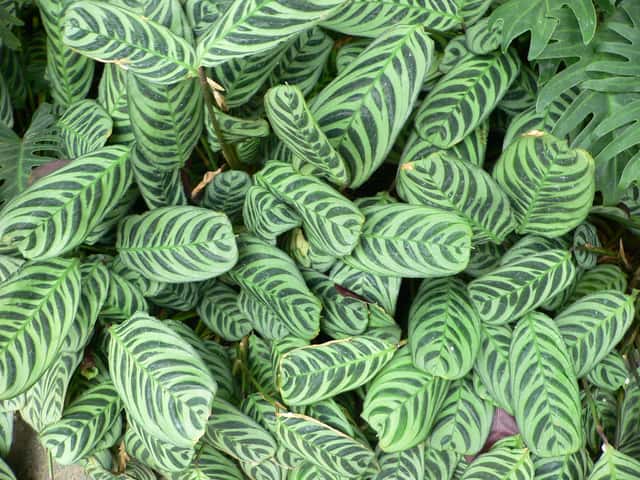
Fishbone Prayer Plant (Ctenanthe burle-marxii) is a medium-care plant from the Marantaceae family. Ctenanthe burle-marxii, commonly known as the Fishbone Prayer Plant, is a stunning tropical perennial native to the humid rainforests of Brazil. A member of the Marantaceae family, it is celebrated for its distinctive oval leaves featuring a silvery-green base adorned with dark green fishbone markin...
Fishbone Prayer Plant grows up to 40cm, spread of 40cm, watering every 7 days, 15°C – 25°C, 60–85% humidity. It is suitable for indoor environments and safe for pets.
Unlike many popular species, Fishbone Prayer Plant is safe to keep around pets. Without adequate drainage, root rot can develop within 14 days.
How to Care for Fishbone Prayer Plant?
TLDR: Fishbone Prayer Plant needs Partial shade, watering every 7 days, and temperatures between 15-25°C with 60-85% humidity.
How Often Should You Water Fishbone Prayer Plant?
Water every 7 days, always checking the top 2 inches of soil first. Water when the top layer feels dry but never let the soil dry out completely. Use room-temperature filtered or distilled water to avoid fluoride and chlorine, which can cause brown leaf tips. Reduce watering frequency in winter, but maintain consistent moisture throughout.
How Much Light Does Fishbone Prayer Plant Need?
Place in a location with bright indirect light — near an east-facing window or behind a sheer curtain is ideal. Avoid direct sunlight, which scorches and fades the distinctive leaf patterns. This plant tolerates lower light conditions but will grow more slowly and the markings will be less vivid. Rotate the pot every few weeks for even growth.
What Is the Best Soil for Fishbone Prayer Plant?
Use a well-draining, moisture-retentive potting mix rich in organic matter. A blend of peat moss (or coco coir), perlite, and quality potting soil (2:1:1) works excellently. The slightly acidic pH range of 5.5–6.5 supports optimal nutrient uptake. Avoid heavy clay or compacted soils that retain too much moisture and promote root rot.
What Pot Should You Use for Fishbone Prayer Plant?
Choose terracotta or unglazed clay pots to promote airflow and prevent waterlogging. Ensure the pot has a drainage hole. Size up only by 2–3 cm when repotting — a pot that is too large will retain excess moisture and increase root rot risk. A saucer with pebbles and water can help maintain humidity around the plant.
Care Schedule
Fertilize
Every 14 days
Misting
Every 2 days
Repot
Every 365 days
What Is Fishbone Prayer Plant and Where Does It Come From?
Ctenanthe burle-marxii, commonly known as the Fishbone Prayer Plant, is a stunning tropical perennial native to the humid rainforests of Brazil. A member of the Marantaceae family, it is celebrated for its distinctive oval leaves featuring a silvery-green base adorned with dark green fishbone markings on top, and a rich burgundy-purple underside. Like its prayer plant relatives, it exhibits nyctinasty — the fascinating behavior of folding its leaves upward at dusk as if in prayer, and reopening them at dawn. Compact and elegant, it reaches around 40 cm in height and is perfectly suited for indoor cultivation, particularly in humid environments. It is completely non-toxic to humans and pets, making it a safe and beautiful choice for any household.
How to Propagate Fishbone Prayer Plant?
Root Division
Divide only when the plant is mature and producing multiple offshoots. Sterilize all cutting tools to prevent disease transmission. Keep the new divisions consistently moist for the first few weeks.
- 1 Gently remove the plant from its pot in spring
- 2 Carefully separate lateral offshoots (clumps with their own roots) using your hands or a sterile knife
- 3 Plant each division in fresh, moist, well-draining potting mix
- 4 Keep in a warm, humid location out of direct sunlight until well established
Materials needed:
How Big Does Fishbone Prayer Plant Grow?
TLDR: Fishbone Prayer Plant can reach up to 40cm tall with Slow growth rate.
Max height
40cm
Spread
40cm
Growth rate
Slow
Foliage
Evergreen
Plant Uses
Ornamental
Great for decoration
Is your plant showing symptoms?
Click on the symptom to discover possible causes:
What Diseases Commonly Affect Fishbone Prayer Plant?
TLDR: Fishbone Prayer Plant is susceptible to 8 known diseases. Monitor regularly for early detection.
Root Rot
Root rot is a serious fungal disease that affects the root system of plants, causing them to decay and die. It is primarily caused by overwatering, poor drainage, or soil-borne fungi such as Pythium, Phytophthora, Rhizoctonia, and Fusarium. The disease thrives in waterlogged conditions where roots are deprived of oxygen, making them susceptible to fungal infection.
Spider Mites
Spider mites are tiny arachnids (less than 1/20 inch long) related to spiders and ticks that feed on plant sap. They thrive in hot, dry conditions and can cause significant damage to ornamental and vegetable plants. During severe infestations, crop losses can reach 14% or higher as these pests disrupt vital plant processes including photosynthesis, carbon dioxide absorption, and transpiration.
Overwatering
Overwatering occurs when plants receive too much water, depriving roots of oxygen and causing root rot. This environmental stress is one of the most common causes of houseplant death, as waterlogged soil prevents roots from breathing and functioning properly.
Low Humidity Stress
Low humidity stress occurs when indoor air becomes too dry, causing plants to lose moisture faster than they can absorb it through their roots. This is especially common during winter heating periods, near radiators and heating vents, or in air-conditioned spaces. Tropical plants are particularly susceptible to low humidity damage.
Meaning & Symbolism
The Fishbone Prayer Plant symbolizes harmony, mindfulness, and the rhythm of nature. Its daily leaf-folding ritual — raising leaves at night like hands in prayer and opening them to greet the morning — is a beautiful reminder to pause and appreciate the natural cycles of rest and renewal. It is a popular choice for creating calming, serene living spaces.
Fun Facts
Native to the humid rainforests of Brazil, Ctenanthe burle-marxii was named in honor of Roberto Burle Marx, the iconic Brazilian landscape architect.
The plant folds its leaves upward at dusk in a behavior called nyctinasty — the same 'praying' movement that gives prayer plants their popular name.
The deep burgundy-purple underside of the leaves is an evolutionary adaptation to capture reflected light on the dim rainforest floor.
It belongs to the Marantaceae family, alongside Calatheas and Stromanthes, all celebrated for their striking decorative foliage.
Frequently asked questions
How often should I water my Fishbone Prayer Plant?
Is Ctenanthe burle-marxii toxic to cats and dogs?
Why are the leaf tips of my Fishbone Prayer Plant turning brown?
Does the Fishbone Prayer Plant flower indoors?
How much light does a Fishbone Prayer Plant need?
Compare with similar plants
| Attribute | Difficulty | Light | Watering | Pet Safe |
|---|---|---|---|---|
| Dark Fieldcap | Medium | Low light | 2d | ⚠️ |
| Azalea | Medium | Partial shade | 3d | ⚠️ |
| Bougainvillea | Medium | Direct sun | 7d | ⚠️ |
| Wild Lettuce | Medium | Direct sun | 7d | ⚠️ |



