Asparagaceae
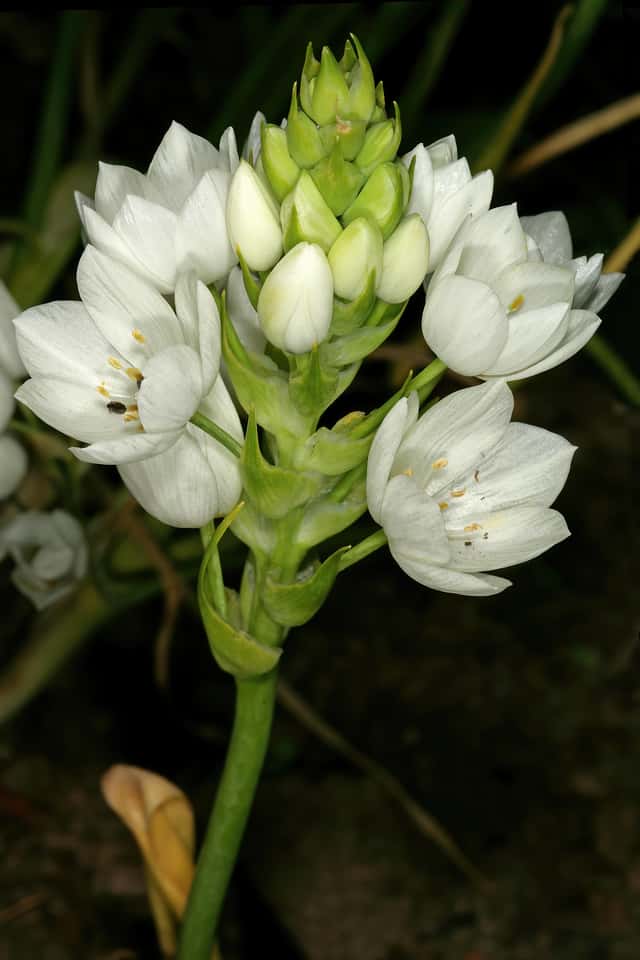
Chincherinchee (Ornithogalum thyrsoides)
Ornithogalum thyrsoides
Plant in a full-sun location with well-draining soil. Water regularly during active growth, reducing after flowering. Avoid waterlogging. Bulb goes dormant in summer.
Every 7 days
Direct sun
5° - 28°C
40% - 70%
Categories
What is Chincherinchee?
Chincherinchee (Ornithogalum thyrsoides) is a medium-care plant from the Asparagaceae family. Chincherinchee (Ornithogalum thyrsoides) is an ornamental bulb native to South Africa, prized for its immaculate white or cream flowers arranged in dense pyramidal clusters. Highly valued as a cut flower for its exceptional longevity — blooms remain fresh for weeks after cutting. WARNING: all parts...
Chincherinchee grows up to 50cm, spread of 30cm, watering every 7 days, 5°C – 28°C, 40–70% humidity. It is not suitable for indoor environments and not safe for pets.
Without precautions, ingestion can cause irritation in pets. Keep out of reach of cats and dogs.
How to Care for Chincherinchee?
TLDR: Chincherinchee needs Direct sun, watering every 7 days, and temperatures between 5-28°C with 40-70% humidity.
How Often Should You Water Chincherinchee?
Water every 7 days during active spring growth. After flowering, gradually reduce watering until fully stopping during summer dormancy. Never let the bulb sit in soggy soil — it causes bulb rot.
How Much Light Does Chincherinchee Need?
Requires full sun — at least 6 hours of direct sunlight per day. A sheltered position with good air circulation encourages abundant flowering.
What Is the Best Soil for Chincherinchee?
Use well-draining soil, preferably sandy or mixed with perlite. pH between 6.0 and 7.5. Fertile, lightly moist soil during the growing phase.
What Pot Should You Use for Chincherinchee?
Terracotta or ceramic pot with drainage hole. Avoid plastic pots that retain moisture.
Care Schedule
Fertilize
Every 30 days
What Is Chincherinchee and Where Does It Come From?
Chincherinchee (Ornithogalum thyrsoides) is an ornamental bulb native to South Africa, prized for its immaculate white or cream flowers arranged in dense pyramidal clusters. Highly valued as a cut flower for its exceptional longevity — blooms remain fresh for weeks after cutting. WARNING: all parts of the plant, especially the bulb, are toxic to humans and pets.
How to Propagate Chincherinchee?
Bulb offset division
Divide in autumn before the growing season begins. Always wear gloves when handling bulbs, as the sap can irritate skin.
- 1 After dormancy, carefully dig up the main bulb
- 2 Gently separate the smaller offset bulbils
- 3 Replant offsets 3-4 inches deep in well-draining soil
- 4 Water lightly until the first shoots emerge
Materials needed:
Seed propagation
Seed propagation is slower — plants may take 2-3 years to flower.
- 1 Collect ripe seeds after flowering
- 2 Sow in moist, well-draining seed mix
- 3 Keep in a sunny, airy location
- 4 Transplant when seedlings reach 2 inches tall
Materials needed:
How Big Does Chincherinchee Grow?
TLDR: Chincherinchee can reach up to 50cm tall with Medium growth rate.
Max height
50cm
Spread
30cm
Growth rate
Medium
Foliage
Deciduous
Warning: Toxic Plant
This plant can be toxic if ingested. Keep out of reach of:
Plant Uses
Ornamental
Great for decoration
Is your plant showing symptoms?
Click on the symptom to discover possible causes:
What Diseases Commonly Affect Chincherinchee?
TLDR: Chincherinchee is susceptible to 8 known diseases. Monitor regularly for early detection.
Gray Mold (Botrytis Blight)
Gray mold, caused by the fungus Botrytis cinerea, is one of the most common fungal diseases in plants. It affects over 200 plant species, including ornamentals, vegetables, fruits, and houseplants. The disease thrives in cool, humid conditions with poor air circulation, causing grayish spots and soft rot on infected tissues.
Root Rot
Root rot is a serious fungal disease that affects the root system of plants, causing them to decay and die. It is primarily caused by overwatering, poor drainage, or soil-borne fungi such as Pythium, Phytophthora, Rhizoctonia, and Fusarium. The disease thrives in waterlogged conditions where roots are deprived of oxygen, making them susceptible to fungal infection.
Overwatering
Overwatering occurs when plants receive too much water, depriving roots of oxygen and causing root rot. This environmental stress is one of the most common causes of houseplant death, as waterlogged soil prevents roots from breathing and functioning properly.
Fusarium Wilt
Fusarium wilt is a serious fungal disease caused by the soil-borne fungus Fusarium oxysporum. The fungus invades roots and blocks the water-conducting vessels (xylem) of the plant, causing progressive wilting and eventual death. Host-specific forms of the pathogen exist that attack different plant species.
Meaning & Symbolism
Symbolizes purity, innocence, and admiration. In South Africa, it is associated with lasting beauty and resilience.
Fun Facts
Chincherinchee flowers are phototropic — they bend toward sunlight throughout the day.
As a cut flower, it can last up to 3 weeks in water — far longer than most ornamental flowers.
The name "Chincherinchee" mimics the squeaky sound the stems make when rubbed together.
South Africa exports Chincherinchee at scale to flower markets across Europe and North America.
Frequently asked questions
How often should I water Chincherinchee?
Is Chincherinchee toxic?
Why are the leaves turning yellow?
Can I grow Chincherinchee in a pot?
Compare with similar plants
| Attribute | Difficulty | Light | Watering | Pet Safe |
|---|---|---|---|---|
| Dark Fieldcap | Medium | Low light | 2d | ⚠️ |
| Azalea | Medium | Partial shade | 3d | ⚠️ |
| Bougainvillea | Medium | Direct sun | 7d | ⚠️ |
| Wild Lettuce | Medium | Direct sun | 7d | ⚠️ |



