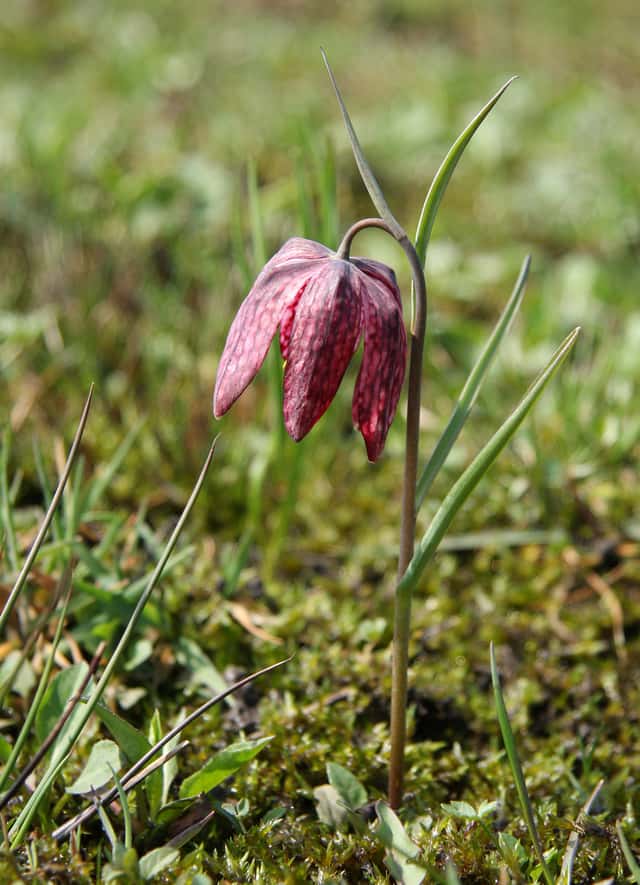
Liliaceae
Fritillary: How to Grow and Care for Fritillaria
Fritillaria
Spring-blooming bulbs that go dormant in summer. Prefer full sun to partial shade, well-drained soil, and moderate watering. Avoid waterlogging, which can rot the bulbs.
Every 10 days
Bright indirect
-15° - 25°C
40% - 70%
Categories
What is Fritillary?
Fritillary (Fritillaria) is a medium-care plant from the Liliaceae family. Fritillaria is a genus of spring-flowering bulbous plants in the Liliaceae family, comprising over 100 species native to temperate regions of the Northern Hemisphere. Known for their nodding, bell-shaped flowers in shades of purple, white, yellow, orange, and red—often with distinctive checkered pat...
Fritillary grows up to 1.2m, spread of 45cm, watering every 10 days, -15°C – 25°C, 40–70% humidity. It is not suitable for indoor environments and not safe for pets.
Without precautions, ingestion can cause irritation in pets. Keep out of reach of cats and dogs.
How to Care for Fritillary?
TLDR: Fritillary needs Bright indirect, watering every 10 days, and temperatures between -15-25°C with 40-70% humidity.
How Often Should You Water Fritillary?
Water moderately during active spring growth. Reduce watering significantly after flowering when foliage yellows. Never let bulbs sit in waterlogged soil.
How Much Light Does Fritillary Need?
Prefer full sun to partial shade. Species like F. meleagris tolerate dappled light beneath deciduous trees.
What Is the Best Soil for Fritillary?
Well-draining, slightly acidic to neutral soil (pH 6.0–7.0). Amend with organic compost at planting. Avoid heavy clay soils that retain moisture.
What Pot Should You Use for Fritillary?
Terracotta or ceramic pots with drainage holes. Ensure excellent drainage to prevent bulb rot during dormancy.
Care Schedule
Fertilize
Every 90 days
Repot
Every 730 days
What Is Fritillary and Where Does It Come From?
Fritillaria is a genus of spring-flowering bulbous plants in the Liliaceae family, comprising over 100 species native to temperate regions of the Northern Hemisphere. Known for their nodding, bell-shaped flowers in shades of purple, white, yellow, orange, and red—often with distinctive checkered patterns—these elegant plants bring drama to spring gardens.
How Big Does Fritillary Grow?
TLDR: Fritillary can reach up to 1.2m tall with Slow growth rate.
Max height
1.2m
Spread
45cm
Growth rate
Slow
Foliage
Deciduous
Warning: Toxic Plant
This plant can be toxic if ingested. Keep out of reach of:
Plant Uses
Ornamental
Great for decoration
Is your plant showing symptoms?
Click on the symptom to discover possible causes:
What Diseases Commonly Affect Fritillary?
TLDR: Fritillary is susceptible to 7 known diseases. Monitor regularly for early detection.
Root Rot
Root rot is a serious fungal disease that affects the root system of plants, causing them to decay and die. It is primarily caused by overwatering, poor drainage, or soil-borne fungi such as Pythium, Phytophthora, Rhizoctonia, and Fusarium. The disease thrives in waterlogged conditions where roots are deprived of oxygen, making them susceptible to fungal infection.
Gray Mold (Botrytis Blight)
Gray mold, caused by the fungus Botrytis cinerea, is one of the most common fungal diseases in plants. It affects over 200 plant species, including ornamentals, vegetables, fruits, and houseplants. The disease thrives in cool, humid conditions with poor air circulation, causing grayish spots and soft rot on infected tissues.
Leaf Spot
Leaf spot is a common fungal disease caused by various pathogens including Alternaria, Ascochyta, Colletotrichum, Septoria, and Venturia. It primarily affects leaves, causing discolored spots that can lead to premature leaf drop if left untreated.
Rust
Rust is a common fungal disease caused by fungi in the order Pucciniales that affects a wide variety of plants. The disease gets its name from the characteristic orange, yellow, or reddish-brown pustules that appear on leaves, resembling metal rust. This obligate fungal parasite requires living plants to survive and can cause significant economic losses in agricultural crops.
Meaning & Symbolism
Fritillary flowers symbolize grace, nobility, and the fleeting beauty of spring.
Fun Facts
The name "Fritillaria" comes from the Latin "fritillus" meaning dice cup, referencing the checkered pattern on some species' flowers.
Fritillaria imperialis (Crown Imperial) can reach 4 feet tall and has a strong scent that naturally deters mice and voles.
Some Fritillaria species have been used in traditional Chinese medicine for centuries as an expectorant.
Frequently asked questions
When should I plant Fritillaria bulbs?
Why are my Fritillaria bulbs rotting?
Compare with similar plants
| Attribute | Difficulty | Light | Watering | Pet Safe |
|---|---|---|---|---|
| Dark Fieldcap | Medium | Low light | 2d | ⚠️ |
| Azalea | Medium | Partial shade | 3d | ⚠️ |
| Bougainvillea | Medium | Direct sun | 7d | ⚠️ |
| Wild Lettuce | Medium | Direct sun | 7d | ⚠️ |



