Araceae
Bird's Nest Anthurium (Anthurium hookeri) Complete Care Guide
Anthurium hookeri
Provide bright indirect light, water every 7–10 days allowing partial soil drying, maintain humidity above 60% and temperatures between 18–29 °C (65–85 °F). Fertilize monthly during the growing season.
Every 8 days
Partial shade
18° - 29°C
60% - 85%
Categories
What is Bird's Nest Anthurium?
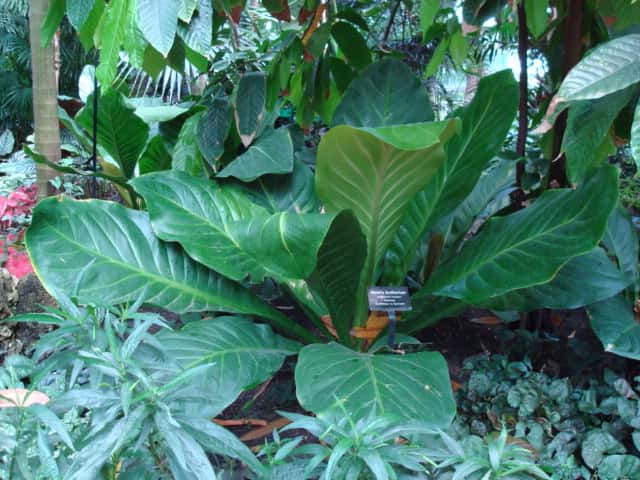
Bird's Nest Anthurium (Anthurium hookeri) is a medium-care plant from the Araceae family. Anthurium hookeri, commonly known as the Bird's Nest Anthurium, is a striking tropical plant in the Araceae family, native to the Caribbean islands and northern South America. Its broad, glossy dark-green leaves grow in a rosette arrangement resembling a bird's nest, making it a prized ornamental ho...
Bird's Nest Anthurium grows up to 1.5m, spread of 90cm, watering every 8 days, 18°C – 29°C, 60–85% humidity. It is suitable for indoor environments and not safe for pets.
Without precautions, ingestion can cause irritation in pets. Keep out of reach of cats and dogs. Without adequate drainage, root rot can develop within 16 days.
How to Care for Bird's Nest Anthurium?
TLDR: Bird's Nest Anthurium needs Partial shade, watering every 8 days, and temperatures between 18-29°C with 60-85% humidity.
How Often Should You Water Bird's Nest Anthurium?
Water when the top 3–5 cm (1–2 inches) of soil feel dry. Never let the plant sit in standing water as it is prone to root rot. Reduce watering frequency in winter.
How Much Light Does Bird's Nest Anthurium Need?
Thrives in bright indirect light such as near an east or north-facing window with a sheer curtain. Avoid direct sunlight which can scorch the large leaves.
What Is the Best Soil for Bird's Nest Anthurium?
Use a well-draining mix: 50% pine bark, 30% perlite, and 20% coconut coir. Aim for a pH between 5.5 and 6.5. The mix should retain some moisture while allowing excess water to drain freely.
What Pot Should You Use for Bird's Nest Anthurium?
Terracotta or plastic pots with drainage holes work best. Terracotta helps prevent overwatering by allowing the soil to breathe.
Care Schedule
Fertilize
Every 30 days
Misting
Every 3 days
Rotate
Every 7 days
Repot
Every 730 days
What Is Bird's Nest Anthurium and Where Does It Come From?
Anthurium hookeri, commonly known as the Bird's Nest Anthurium, is a striking tropical plant in the Araceae family, native to the Caribbean islands and northern South America. Its broad, glossy dark-green leaves grow in a rosette arrangement resembling a bird's nest, making it a prized ornamental houseplant and garden specimen.
How Big Does Bird's Nest Anthurium Grow?
TLDR: Bird's Nest Anthurium can reach up to 1.5m tall with Medium growth rate.
Max height
1.5m
Spread
90cm
Growth rate
Medium
Foliage
Evergreen
Warning: Toxic Plant
This plant can be toxic if ingested. Keep out of reach of:
Plant Uses
Ornamental
Great for decoration
Air Purifying
Improves air quality
Is your plant showing symptoms?
Click on the symptom to discover possible causes:
What Diseases Commonly Affect Bird's Nest Anthurium?
TLDR: Bird's Nest Anthurium is susceptible to 18 known diseases. Monitor regularly for early detection.
Root Rot
Root rot is a serious fungal disease that affects the root system of plants, causing them to decay and die. It is primarily caused by overwatering, poor drainage, or soil-borne fungi such as Pythium, Phytophthora, Rhizoctonia, and Fusarium. The disease thrives in waterlogged conditions where roots are deprived of oxygen, making them susceptible to fungal infection.
Xanthomonas
Xanthomonas is a group of bacteria that causes leaf spots and blights on many garden and indoor plants. It spreads through splashing water, wet tools, hands, and infected seed or cuttings. Early signs are small, water‑soaked spots that turn yellow, brown, or black; spots often have a yellow halo and can look angular because veins limit their shape. Leaves may yellow, tear, or drop; stems and fruit can develop dark, sunken lesions. Commonly affected plants include tomato and pepper, brassicas (such as cabbage), beans, citrus, orchid, philodendron, coleus, and many other ornamentals.
Bacterial Blight
Bacterial blight is a serious plant disease caused by pathogenic bacteria that enters plants through wounds or natural openings. It spreads rapidly in warm, wet conditions and can cause significant damage to leaves, stems, and flowers. The bacteria are transmitted by water splash, contaminated tools, and insects.
Pythium Root Rot
Pythium root rot is a serious fungal disease caused by various Pythium species including P. aphanidermatum, P. ultimum, and P. irregulare. These water molds are present in practically all cultivated soils and attack plant roots under wet conditions, causing rapid wet rot that can extend into the stem. The disease is favored by poor drainage, overwatering, and specific temperatures depending on the species.
Meaning & Symbolism
In Caribbean cultures, the Bird's Nest Anthurium symbolizes hospitality and abundance, often used to welcome guests in homes and gardens.
Fun Facts
In its native Caribbean habitat, Anthurium hookeri can grow up to 3 meters tall, but stays much more compact as a houseplant.
The large rosette of leaves acts as a natural rain and debris collector in the wild, creating a miniature ecosystem.
It belongs to one of the largest plant genera, Anthurium, which contains over 1,000 species.
The name "hookeri" honors Sir Joseph Dalton Hooker, the famous 19th-century British botanist and director of Kew Gardens.
Frequently asked questions
Is Bird's Nest Anthurium toxic to cats and dogs?
How often should I water Bird's Nest Anthurium?
What humidity level does Anthurium hookeri need?
Why are the leaf tips turning brown?
Compare with similar plants
| Attribute | Difficulty | Light | Watering | Pet Safe |
|---|---|---|---|---|
| Azalea | Medium | Partial shade | 3d | ⚠️ |
| Wild Lettuce | Medium | Direct sun | 7d | ⚠️ |
| Cape Primrose | Medium | Partial shade | 7d | ✓ |
| Honey Locust | Medium | Direct sun | 14d | ✓ |