Capparaceae
Garlic Pear: Edible Plant
Crateva tapia
A hardy, low-maintenance tree adapted to poor soils and long periods of drought. It prefers full sun, well-drained soil rich in organic matter, and tolerates everything from light frosts to intense heat. The primary care requirement is to avoid waterlogging, which can lead to root rot.
Every 14 days
Direct sun
-3° - 38°C
% - %
Categories
What is Garlic Pear?
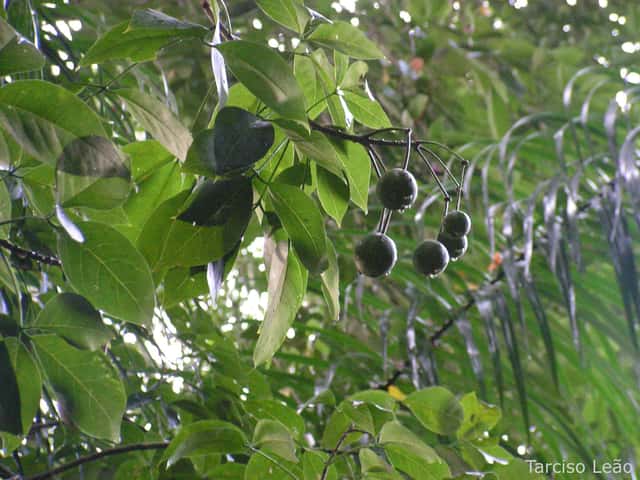
Garlic Pear (Crateva tapia) is a easy-care plant from the Capparaceae family. The Garlic Pear (Crateva tapia) is a tree native to the Americas, ranging from Mexico to southern Brazil, where it is common in the Caatinga, Cerrado, Pantanal, and Amazonian riparian forests. It can reach 4 to 15 m in height, with a broad, rounded crown and a twisted trunk with grayish bark that ex...
Garlic Pear grows up to 15.0m, spread of 2000cm, watering every 14 days, -3°C – 38°C. It is not suitable for indoor environments and safe for pets.
Unlike many tropical plants, Garlic Pear tolerates watering mistakes. Best for beginners. Unlike many popular species, Garlic Pear is safe to keep around pets.
How to Care for Garlic Pear?
TLDR: Garlic Pear needs Direct sun, watering every 14 days, and temperatures between -3-38°C with 40-70% humidity.
How Often Should You Water Garlic Pear?
It is drought-tolerant and should not be overwatered: allow the soil to dry out completely between waterings (every 12-15 days if potted) and ensure excellent drainage to prevent root rot.
How Much Light Does Garlic Pear Need?
Requires full sun (direct) for at least 6-8 hours daily to flower and fruit effectively; it will grow in partial shade but produces few flowers.
What Is the Best Soil for Garlic Pear?
Thrives best in well-drained soil rich in organic matter, with a pH between 5.5 and 7.2; it is tolerant of clay and sandy soils, as well as moderate salinity.
What Pot Should You Use for Garlic Pear?
For seedlings or young specimens in pots, use large containers (at least 40-50 L), preferably made of ceramic or clay, with multiple drainage holes, as the species is highly sensitive to waterlogging.
What Is Garlic Pear and Where Does It Come From?
The Garlic Pear (Crateva tapia) is a tree native to the Americas, ranging from Mexico to southern Brazil, where it is common in the Caatinga, Cerrado, Pantanal, and Amazonian riparian forests. It can reach 4 to 15 m in height, with a broad, rounded crown and a twisted trunk with grayish bark that exudes a garlic odor when cut. The leaves are trifoliate, and the tree blooms between August and November, covered in white flowers with long reddish stamens that attract bees, butterflies, moths, and bats. The fruits, which are globose berries, ripen between February and April and have an edible pulp with a sweet flavor.
How to Propagate Garlic Pear?
How Big Does Garlic Pear Grow?
TLDR: Garlic Pear can reach up to 15.0m tall with Medium growth rate.
Max height
15.0m
Spread
20.0m
Growth rate
Medium
Foliage
Evergreen
Warning: Toxic Plant
This plant can be toxic if ingested. Keep out of reach of:
Plant Uses
Ornamental
Great for decoration
Edible
Can be consumed
Medicinal
Medicinal properties
Medicinal Uses
- Bark used as a bitter tonic and febrifuge in folk medicine
- Bark poultice applied to paronychia (finger infections)
- Bark extract/lectin studied for hypoglycemic effects in diabetes models
Culinary Uses
- Ripe fruit pulp consumed fresh, typically with a spoon
- Pulp used to enrich soups and vegetable broths
Is your plant showing symptoms?
Click on the symptom to discover possible causes:
What Diseases Commonly Affect Garlic Pear?
TLDR: Garlic Pear is susceptible to 3 known diseases. Monitor regularly for early detection.
Caterpillars
Caterpillars are the larval stage of moths and butterflies that feed voraciously on plant foliage, stems, flowers, and fruits. Common species include cabbage loopers, tomato hornworms, armyworms, and cutworms. These pests can cause extensive damage by consuming large amounts of plant tissue in a short time. They vary in size from small (1/4 inch) to large (5 inches), with colors ranging from green to brown, often featuring stripes or spots. Caterpillars are highly mobile and can quickly spread throughout gardens, making them one of the most destructive common pests.
Root Rot
Root rot is a serious fungal disease that affects the root system of plants, causing them to decay and die. It is primarily caused by overwatering, poor drainage, or soil-borne fungi such as Pythium, Phytophthora, Rhizoctonia, and Fusarium. The disease thrives in waterlogged conditions where roots are deprived of oxygen, making them susceptible to fungal infection.
Overwatering
Overwatering occurs when plants receive too much water, depriving roots of oxygen and causing root rot. This environmental stress is one of the most common causes of houseplant death, as waterlogged soil prevents roots from breathing and functioning properly.
Meaning & Symbolism
A symbol of resilience and generosity: it survives in poor soils and arid biomes, sustains pollinators (bees, butterflies, moths, and bats), and provides food and traditional medicine for local communities.
Compare with similar plants
| Attribute | Difficulty | Light | Watering | Pet Safe |
|---|---|---|---|---|
| Field Maple | Easy | Bright indirect | 14d | ✓ |
| Silver Birch | Easy | Direct sun | 14d | ✓ |
| Common Blanketflower | Easy | Direct sun | 10d | ✓ |
| Cushion Bush | Easy | Direct sun | 14d | ✓ |





