Araceae
Giant Elephant's Ear - Alocasia macrorrhizos
Alocasia macrorrhizos
Provide bright indirect light, keep soil consistently moist but not waterlogged, maintain high humidity (50-80%), and protect from temperatures below 10C. Feed monthly during growing season. This plant grows fast and can reach impressive heights when given proper care.
Every 7 days
Partial shade
10° - 29°C
50% - 80%
Categories
What is Giant Elephant's Ear?
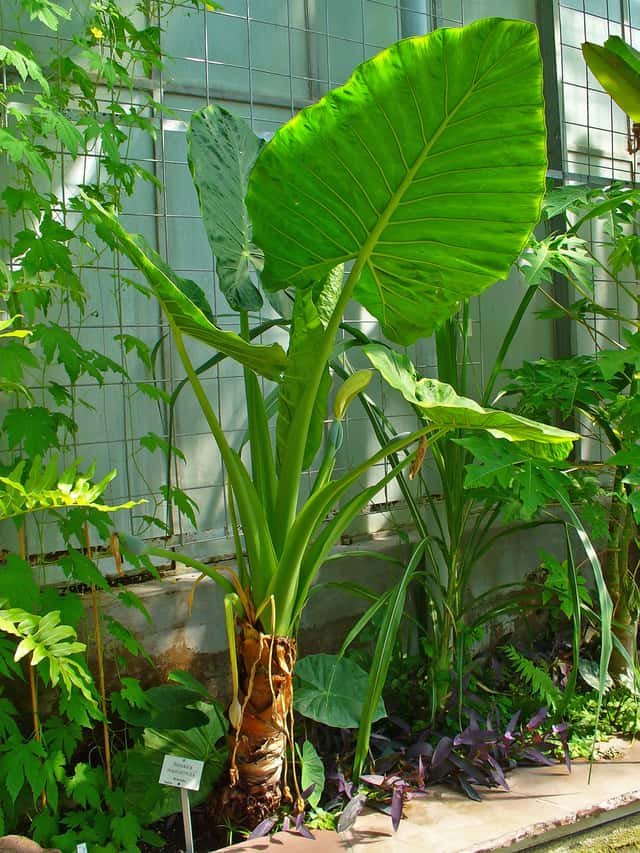
Giant Elephant's Ear (Alocasia macrorrhizos) is a medium-care plant from the Araceae family. Alocasia macrorrhizos is a spectacular tropical perennial from Southeast Asia, prized for its enormous upright arrow-shaped leaves that can reach up to 1.5 meters in length. Known as Giant Elephant's Ear, this fast-growing plant makes a bold architectural statement both indoors and in tropical garde...
Giant Elephant's Ear grows up to 4.5m, with spread of 240cm, watering every 7 days, 10°C – 29°C, 50–80% humidity. It is suitable for indoor environments and not safe for pets.
Without precautions, ingestion can cause irritation in pets. Keep out of reach of cats and dogs. Without adequate drainage, root rot can develop within 14 days.
How to Care for Giant Elephant's Ear?
TLDR: Giant Elephant's Ear needs Partial shade, watering every 7 days, and temperatures between 10-29°C with 50-80% humidity.
How Often Should You Water Giant Elephant's Ear?
Water when the top third of soil dries out. Use lukewarm water and reduce frequency in autumn and winter. Avoid waterlogging as it is prone to root rot. Let tap water sit 24 hours before use to remove chlorine.
How Much Light Does Giant Elephant's Ear Need?
Place in bright, indirect light within 1.5-2 meters of a window. Can tolerate brief morning sun but avoid harsh afternoon direct sunlight. Prefers overhead light to grow upright leaves evenly.
What Is the Best Soil for Giant Elephant's Ear?
Use a well-draining mix of potting soil, peat moss, and perlite in equal parts. Maintain slightly acidic to neutral pH (5.7-6.3). Add extra perlite or grit for larger specimens.
What Pot Should You Use for Giant Elephant's Ear?
Use a large, heavy pot with drainage holes. Terracotta or ceramic pots are ideal as they provide stability for this top-heavy plant and allow some moisture evaporation. Ensure the pot is at least 30cm diameter for mature specimens.
Care Schedule
Fertilize
Every 30 days
Misting
Every 3 days
Rotate
Every 14 days
Repot
Every 730 days
What Is Giant Elephant's Ear and Where Does It Come From?
Alocasia macrorrhizos is a spectacular tropical perennial from Southeast Asia, prized for its enormous upright arrow-shaped leaves that can reach up to 1.5 meters in length. Known as Giant Elephant's Ear, this fast-growing plant makes a bold architectural statement both indoors and in tropical gardens. It belongs to the Araceae family and features thick, prominently veined, glossy green leaves on sturdy upright stems.
How to Propagate Giant Elephant's Ear?
Rhizome division
Division is the most reliable method. Choose healthy sections with visible growth points. Spring is ideal when the plant is actively growing.
- 1 Carefully remove the plant from its pot
- 2 Identify natural divisions in the rhizome with at least one growth point each
- 3 Cut cleanly with a sterilized knife
- 4 Let cut surfaces dry for a few hours
- 5 Plant each division in moist well-draining soil
- 6 Keep warm and humid until new growth appears
Materials needed:
Stem cutting
Only attempt with mature specimens. Change water weekly if rooting in water. Keep in warm bright indirect light.
- 1 Select a mature stem with at least two leaves from a plant 4+ years old
- 2 Cut below a node with a clean blade
- 3 Apply rooting hormone to the cut end
- 4 Place in water or moist perlite
- 5 Maintain warmth and humidity
- 6 Transplant to soil once roots are 5cm long
Materials needed:
How Big Does Giant Elephant's Ear Grow?
TLDR: Giant Elephant's Ear can reach up to 4.5m tall with Fast growth rate.
Max height
4.5m
Spread
2.4m
Growth rate
Fast
Foliage
Evergreen
Warning: Toxic Plant
This plant can be toxic if ingested. Keep out of reach of:
Plant Uses
Ornamental
Great for decoration
Air Purifying
Improves air quality
Edible
Can be consumed
Medicinal
Medicinal properties
Medicinal Uses
- Traditional remedy for insect bites and stings in Southeast Asia
- Used in folk medicine for anti-inflammatory purposes (external application only)
Culinary Uses
- The corm is edible only when thoroughly cooked to neutralize calcium oxalate crystals
- Staple food in Pacific Island cultures when properly prepared
Is your plant showing symptoms?
Click on the symptom to discover possible causes:
What Diseases Commonly Affect Giant Elephant's Ear?
TLDR: Giant Elephant's Ear is susceptible to 12 known diseases. Monitor regularly for early detection.
Root Rot
Root rot is a serious fungal disease that affects the root system of plants, causing them to decay and die. It is primarily caused by overwatering, poor drainage, or soil-borne fungi such as Pythium, Phytophthora, Rhizoctonia, and Fusarium. The disease thrives in waterlogged conditions where roots are deprived of oxygen, making them susceptible to fungal infection.
Spider Mites
Spider mites are tiny arachnids (less than 1/20 inch long) related to spiders and ticks that feed on plant sap. They thrive in hot, dry conditions and can cause significant damage to ornamental and vegetable plants. During severe infestations, crop losses can reach 14% or higher as these pests disrupt vital plant processes including photosynthesis, carbon dioxide absorption, and transpiration.
Mealybugs
Mealybugs are small, soft-bodied insects covered with a white, waxy, cottony material. They are common pests of houseplants and outdoor plants in mild climates. These sap-sucking insects feed on plant tissue, causing damage, stunted growth, and can lead to plant death if left untreated. They produce sticky honeydew which attracts sooty mold.
Leaf Spot
Leaf spot is a common fungal disease caused by various pathogens including Alternaria, Ascochyta, Colletotrichum, Septoria, and Venturia. It primarily affects leaves, causing discolored spots that can lead to premature leaf drop if left untreated.
Meaning & Symbolism
Symbolizes strength, protection, and tropical abundance. In Southeast Asian cultures, it represents prosperity and connection to nature.
Fun Facts
In ideal outdoor conditions, leaves can grow up to 1.8 meters long and 1.2 meters wide
The plant can grow 1-1.5 meters per year in tropical climates
Despite its toxicity when raw, the cooked corm has been a staple food in the Pacific Islands for thousands of years
The species name macrorrhizos means large root in Greek, referring to its massive rhizome
Frequently asked questions
How often should I water my Giant Elephant's Ear?
Is Alocasia macrorrhizos toxic to pets?
Why are the leaves on my Giant Elephant's Ear turning yellow?
How big does Alocasia macrorrhizos grow indoors?
Compare with similar plants
| Attribute | Difficulty | Light | Watering | Pet Safe |
|---|---|---|---|---|
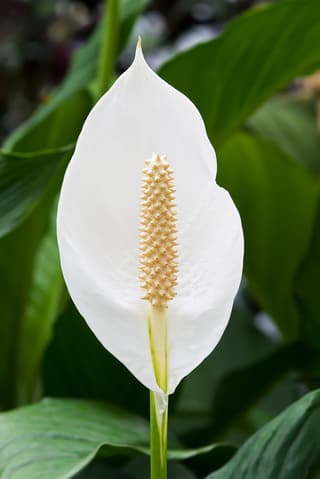
| Peace Lily | Easy | Low light | 4d | ⚠️ |
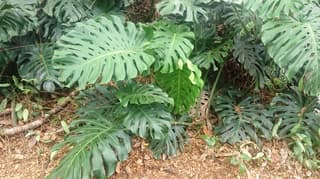
| Swiss Cheese Plant | Easy | Partial shade | 10d | ⚠️ |
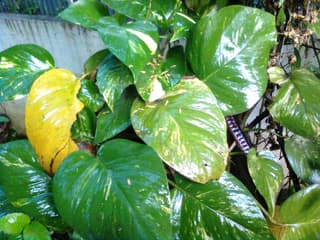
| Golden Pothos | Easy | Low light | 8d | ⚠️ |
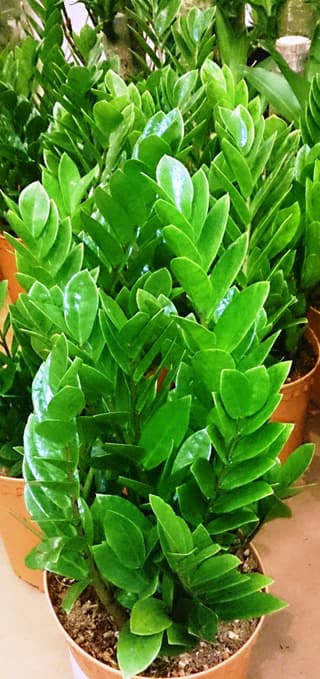
| ZZ Plant | Easy | Low light | 18d | ⚠️ |