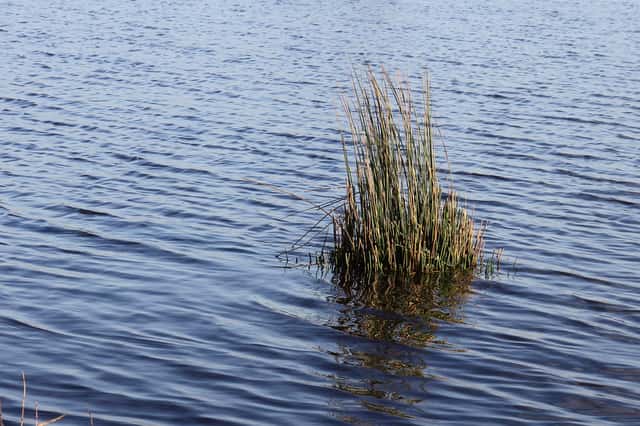
Juncaceae
Soft Rush (Juncus effusus)
Juncus effusus
Grow soft rush in full sun to part shade in consistently wet or saturated soil, including up to a few inches of standing water. It is low-maintenance, tolerant of poor soil, and rarely bothered by pests or disease. Cut back old foliage in early spring to keep clumps tidy.
Every 2 days
Bright indirect
-10° - 32°C
60% - 100%
Categories
What is Soft Rush?
Soft Rush (Juncus effusus) is a easy-care plant from the Juncaceae family. Juncus effusus, commonly known as soft rush, is a cosmopolitan wetland perennial in the Juncaceae family. It forms dense, upright clumps of smooth, cylindrical, evergreen stems that lack true leaves, giving the plant a distinctive tufted, rush-like silhouette. Found naturally along pond margins, mar...
Soft Rush grows up to 1.2m, spread of 90cm, watering every 2 days, -10°C – 32°C, 60–100% humidity. It is not suitable for indoor environments and safe for pets.
Unlike many tropical plants, Soft Rush tolerates watering mistakes. Best for beginners. Unlike many popular species, Soft Rush is safe to keep around pets.
How to Care for Soft Rush?
TLDR: Soft Rush needs Bright indirect, watering every 2 days, and temperatures between -10-32°C with 60-100% humidity.
How Often Should You Water Soft Rush?
Keep soil constantly moist to saturated; soft rush thrives even in shallow standing water and should never be allowed to dry out for extended periods.
How Much Light Does Soft Rush Need?
Prefers full sun (6+ hours direct light) but tolerates partial shade; more shade may reduce flowering.
What Is the Best Soil for Soft Rush?
Thrives in wet, boggy, peaty soils with a slightly acidic to neutral pH; adapts to average garden soil as long as moisture is constant.
What Pot Should You Use for Soft Rush?
Wide, shallow containers or pond baskets without drainage holes, allowing water to be retained around the roots
What Is Soft Rush and Where Does It Come From?
Juncus effusus, commonly known as soft rush, is a cosmopolitan wetland perennial in the Juncaceae family. It forms dense, upright clumps of smooth, cylindrical, evergreen stems that lack true leaves, giving the plant a distinctive tufted, rush-like silhouette. Found naturally along pond margins, marshes, ditches, and other saturated soils worldwide, soft rush is a true hydrophyte that tolerates standing water and is widely used in water gardens, rain gardens, and wetland restoration projects.
How to Propagate Soft Rush?
Clump division
Divide every 2-3 years to control spread and rejuvenate clumps. Keep divisions constantly moist until established.
- 1 Dig up an established clump in early spring
- 2 Separate the rhizome mass into sections with a sharp spade or knife, each with several stems and roots
- 3 Replant divisions immediately in consistently moist or saturated soil
- 4 Water thoroughly to settle the soil around new divisions
Materials needed:
Seed propagation
Seeds germinate best in consistently wet conditions; do not let the medium dry out.
- 1 Collect ripe seed heads in late summer
- 2 Sow seeds on the surface of wet, peaty soil or mud without covering, as they need light to germinate
- 3 Keep the growing medium saturated at all times
- 4 Transplant seedlings once large enough to handle
Materials needed:
How Big Does Soft Rush Grow?
TLDR: Soft Rush can reach up to 1.2m tall with Medium growth rate.
Max height
1.2m
Spread
90cm
Growth rate
Medium
Foliage
Evergreen
Plant Uses
Ornamental
Great for decoration
Ground Cover
Soil coverage
Is your plant showing symptoms?
Click on the symptom to discover possible causes:
What Diseases Commonly Affect Soft Rush?
TLDR: Soft Rush is susceptible to 6 known diseases. Monitor regularly for early detection.
Rust
Rust is a common fungal disease caused by fungi in the order Pucciniales that affects a wide variety of plants. The disease gets its name from the characteristic orange, yellow, or reddish-brown pustules that appear on leaves, resembling metal rust. This obligate fungal parasite requires living plants to survive and can cause significant economic losses in agricultural crops.
Leaf Spot
Leaf spot is a common fungal disease caused by various pathogens including Alternaria, Ascochyta, Colletotrichum, Septoria, and Venturia. It primarily affects leaves, causing discolored spots that can lead to premature leaf drop if left untreated.
Stem Necrosis
Stem necrosis is a condition characterized by the death of plant tissues on the stem, leading to browning, blackening, and eventual decay. It can weaken the plant, hinder nutrient and water transport, and in severe cases, lead to plant death. This condition can be caused by various pathogens, environmental stresses, or physical damage.
Root Rot
Root rot is a serious fungal disease that affects the root system of plants, causing them to decay and die. It is primarily caused by overwatering, poor drainage, or soil-borne fungi such as Pythium, Phytophthora, Rhizoctonia, and Fusarium. The disease thrives in waterlogged conditions where roots are deprived of oxygen, making them susceptible to fungal infection.
Meaning & Symbolism
Symbolizes resilience and flexibility - its soft, pliant stems bend under pressure without breaking, representing the ability to adapt gracefully to adversity.
Fun Facts
Despite its coarse, wiry appearance, the stems of soft rush are surprisingly soft and pliable, giving the plant its common name.
Soft rush has no true leaves - what looks like foliage are actually green, photosynthetic stems, with leaves reduced to basal sheaths.
This species is found on every continent except Antarctica, making it one of the most widespread wetland plants in the world.
Dried soft rush stems have traditionally been used to make rush lights (candles) and woven mats.
Frequently asked questions
How often should I water soft rush?
Is soft rush toxic to cats or dogs?
Can soft rush grow in full shade?
How do I control soft rush from spreading too much?
Compare with similar plants
| Attribute | Difficulty | Light | Watering | Pet Safe |
|---|---|---|---|---|
| Field Maple | Easy | Bright indirect | 14d | ✓ |
| Silver Birch | Easy | Direct sun | 14d | ✓ |
| Cushion Bush | Easy | Direct sun | 14d | ✓ |
| Peruvian peppertree | Easy | Direct sun | 14d | ⚠️ |





