Iridaceae
Eastern Gladiolus (Gladiolus communis): Complete Grow & Care Guide
Gladiolus communis
Plant corms in full sun after the last frost when soil temperatures reach 55°F (13°C). Water weekly during the growing season and fertilize every two weeks once flower spikes emerge. In cold climates (zones 2–7), lift corms in autumn and store in a cool, dry location for winter.
Every 7 days
Direct sun
10° - 35°C
40% - 60%
Categories
What is Eastern Gladiolus?
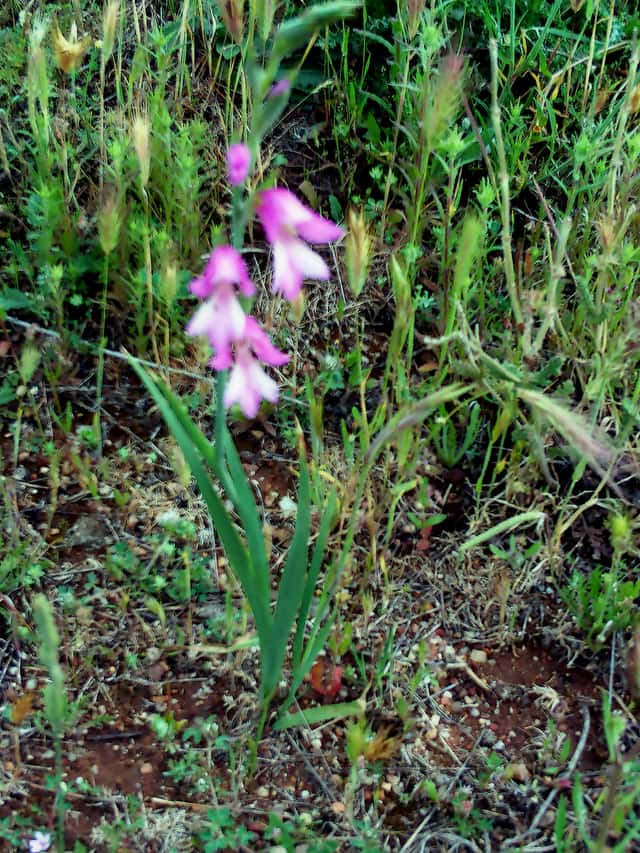
Eastern Gladiolus (Gladiolus communis) is a medium-care plant from the Iridaceae family. Gladiolus communis, known as the Eastern Gladiolus or Common Gladiolus, is a cormous perennial in the family Iridaceae, native to the Mediterranean basin and South Africa. It produces tall, elegant flower spikes bearing trumpet-shaped blooms in shades of pink, purple, red, orange, white, and yellow...
Eastern Gladiolus grows up to 1.5m, spread of 25cm, watering every 7 days, 10°C – 35°C, 40–60% humidity. It is not suitable for indoor environments and not safe for pets.
Without precautions, ingestion can cause irritation in pets. Keep out of reach of cats and dogs.
How to Care for Eastern Gladiolus?
TLDR: Eastern Gladiolus needs Direct sun, watering every 7 days, and temperatures between 10-35°C with 40-60% humidity.
How Often Should You Water Eastern Gladiolus?
Water approximately once a week during the growing season, providing about 1 inch of water. Avoid waterlogged soil — corm rot is the most common problem caused by overwatering. Reduce watering as foliage begins to yellow after flowering.
How Much Light Does Eastern Gladiolus Need?
Requires full sun with at least 6–8 hours of direct sunlight per day. Insufficient light results in weak, floppy stems and poor flower production.
What Is the Best Soil for Eastern Gladiolus?
Prefers well-draining, moderately fertile soil. Amend heavy clay soil with compost and coarse sand to improve drainage. Optimal pH is 6.0–7.0.
What Pot Should You Use for Eastern Gladiolus?
Terracotta or ceramic pot with drainage hole, medium to large size. In containers, prefer dwarf gladiolus cultivars.
Care Schedule
Fertilize
Every 14 days
What Is Eastern Gladiolus and Where Does It Come From?
Gladiolus communis, known as the Eastern Gladiolus or Common Gladiolus, is a cormous perennial in the family Iridaceae, native to the Mediterranean basin and South Africa. It produces tall, elegant flower spikes bearing trumpet-shaped blooms in shades of pink, purple, red, orange, white, and yellow during spring and summer. Widely grown as a cut flower and garden accent plant.
How to Propagate Eastern Gladiolus?
Corm Division
Select only firm, healthy cormlets. Discard any showing rot or mold. Dust with fungicide powder before storage.
- 1 Allow foliage to dry completely after flowering
- 2 Lift corms and detach cormlets (small daughter corms) formed at the base
- 3 Store cormlets in a cool, dry place over winter
- 4 Plant cormlets in spring in a sunny location
- 5 Cormlets reach blooming size in 2-3 years
Materials needed:
How Big Does Eastern Gladiolus Grow?
TLDR: Eastern Gladiolus can reach up to 1.5m tall with Medium growth rate.
Max height
1.5m
Spread
25cm
Growth rate
Medium
Foliage
Deciduous
Warning: Toxic Plant
This plant can be toxic if ingested. Keep out of reach of:
Plant Uses
Ornamental
Great for decoration
Is your plant showing symptoms?
Click on the symptom to discover possible causes:
What Diseases Commonly Affect Eastern Gladiolus?
TLDR: Eastern Gladiolus is susceptible to 12 known diseases. Monitor regularly for early detection.
Thrips
Thrips are tiny cigar-shaped insects (1/25-inch long) that damage plants by sucking plant juices and scraping at fruits, flowers, and leaves. With over 6,000 species and rapid reproduction (lifecycle as short as 14 days), they can quickly infest plants and transmit viruses like tomato spotted wilt virus.
Aphids
Aphids are small, soft-bodied, pear-shaped insects (1/16 to 1/8 inch long) that feed by sucking nutrient-rich sap from plants. They reproduce rapidly and can quickly weaken plants, causing distorted growth and transmitting plant viruses. Aphids come in various colors including green, black, red, yellow, brown, and gray. They secrete honeydew, a sticky substance that attracts ants and encourages sooty mold growth.
Spider Mites
Spider mites are tiny arachnids (less than 1/20 inch long) related to spiders and ticks that feed on plant sap. They thrive in hot, dry conditions and can cause significant damage to ornamental and vegetable plants. During severe infestations, crop losses can reach 14% or higher as these pests disrupt vital plant processes including photosynthesis, carbon dioxide absorption, and transpiration.
Fusarium Wilt
Fusarium wilt is a serious fungal disease caused by the soil-borne fungus Fusarium oxysporum. The fungus invades roots and blocks the water-conducting vessels (xylem) of the plant, causing progressive wilting and eventual death. Host-specific forms of the pathogen exist that attack different plant species.
Meaning & Symbolism
Gladiolus symbolizes strength, sincerity, and remembrance. It is the birth flower of August and conveys moral integrity and infatuation in the language of flowers.
Fun Facts
The name gladiolus comes from the Latin word gladius, meaning sword, referring to the plant's long, sharp leaves.
Each gladiolus spike can carry up to 20 individual florets that open progressively from bottom to top over two weeks.
Gladiolus is the official birth flower of August and a popular choice for late-summer bouquets.
Gladiolus communis is one of the hardiest species in the genus, surviving winters as far north as USDA Zone 5.
Frequently asked questions
How often should I water Eastern Gladiolus?
Is Eastern Gladiolus toxic to pets?
When should I plant gladiolus corms?
Why is my gladiolus not blooming?
Do I need to dig up gladiolus corms every year?
Compare with similar plants
| Attribute | Difficulty | Light | Watering | Pet Safe |
|---|---|---|---|---|
| Dark Fieldcap | Medium | Low light | 2d | ⚠️ |
| Azalea | Medium | Partial shade | 3d | ⚠️ |
| Bougainvillea | Medium | Direct sun | 7d | ⚠️ |
| Wild Lettuce | Medium | Direct sun | 7d | ⚠️ |



