Caprifoliaceae
Glossy Abelia (Abelia x grandiflora) Care Guide
Abelia × grandiflora
Glossy Abelia is a low maintenance, disease resistant shrub that thrives in full sun to partial shade and well drained soil. Once established it tolerates moderate drought and needs only occasional deep watering, light feeding in spring, and an annual prune to keep its arching form tidy.
Every 7 days
Bright indirect
15° - 27°C
40% - 60%
Categories
What is Glossy Abelia?
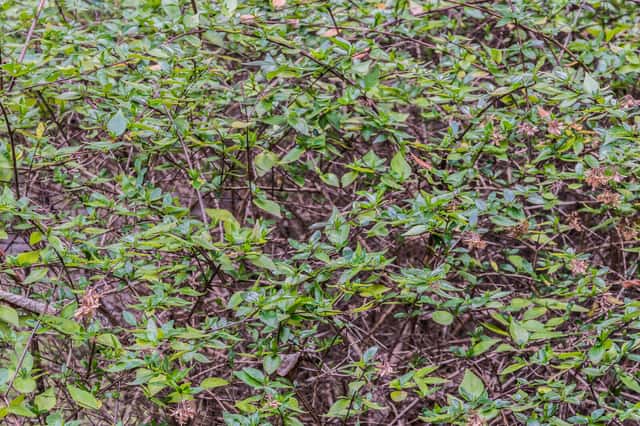
Glossy Abelia (Abelia × grandiflora) is a easy-care plant from the Caprifoliaceae family. Glossy Abelia (Abelia x grandiflora) is a hybrid evergreen to semi-evergreen shrub prized for its small, glossy dark green leaves and abundant clusters of white to pale pink, bell shaped flowers that bloom from late spring through fall. Born from a cross between Abelia chinensis and Abelia uniflora,...
Glossy Abelia grows up to 2.5m, spread of 180cm, watering every 7 days, 15°C – 27°C, 40–60% humidity. It is not suitable for indoor environments and safe for pets.
Unlike many tropical plants, Glossy Abelia tolerates watering mistakes. Best for beginners. Unlike many popular species, Glossy Abelia is safe to keep around pets.
How to Care for Glossy Abelia?
TLDR: Glossy Abelia needs Bright indirect, watering every 7 days, and temperatures between 15-27°C with 40-60% humidity.
How Often Should You Water Glossy Abelia?
Water deeply once or twice a week during the first growing season to help roots establish, then reduce to occasional deep watering once the shrub matures. Let the top layer of soil dry slightly between waterings and avoid soggy, waterlogged soil, which can lead to root rot.
How Much Light Does Glossy Abelia Need?
Plant in full sun for the best flowering display, though Glossy Abelia also tolerates partial shade. Aim for at least four to six hours of direct sunlight a day; too little light results in sparse blooms and leggy growth.
What Is the Best Soil for Glossy Abelia?
Grow in loamy, sandy, or clay soil as long as drainage is good. A slightly acidic to neutral pH between 6.0 and 7.5 is ideal. Amend heavy clay with organic matter to improve drainage and reduce the risk of root rot.
What Pot Should You Use for Glossy Abelia?
When grown in a container, choose a wide, sturdy pot with generous drainage holes, since Glossy Abelia has a fibrous root system that benefits from good aeration. Terracotta or unglazed ceramic pots help excess moisture evaporate and lower the risk of root rot.
Care Schedule
Fertilize
Every 90 days
What Is Glossy Abelia and Where Does It Come From?
Glossy Abelia (Abelia x grandiflora) is a hybrid evergreen to semi-evergreen shrub prized for its small, glossy dark green leaves and abundant clusters of white to pale pink, bell shaped flowers that bloom from late spring through fall. Born from a cross between Abelia chinensis and Abelia uniflora, this compact, arching shrub typically reaches one to two and a half meters tall with a similar spread. It is widely used as an informal hedge, foundation planting, or specimen shrub, and its long bloom season makes it a magnet for bees, butterflies, and hummingbirds. In cooler climates the foliage can take on reddish purple tones and drop partially in winter, while in warmer zones it stays evergreen year round.
How to Propagate Glossy Abelia?
Stem Cutting
Use clean, sharp pruning shears and take cuttings early in the morning when the plant is well hydrated for the best success rate.
- 1 Select a healthy, semi hardwood stem about 10 to 15 centimeters long from a non flowering shoot.
- 2 Remove the leaves from the lower half of the cutting and dip the cut end in rooting hormone.
- 3 Insert the cutting into a pot filled with a moist, well draining mix of perlite and peat or sand.
- 4 Cover with a clear plastic bag or place in a humid propagator to retain moisture.
- 5 Keep in bright, indirect light and check for root development after three to six weeks.
Materials needed:
How Big Does Glossy Abelia Grow?
TLDR: Glossy Abelia can reach up to 2.5m tall with Medium growth rate.
Max height
2.5m
Spread
1.8m
Growth rate
Medium
Foliage
Semi-evergreen
Plant Uses
Ornamental
Great for decoration
Is your plant showing symptoms?
Click on the symptom to discover possible causes:
What Diseases Commonly Affect Glossy Abelia?
TLDR: Glossy Abelia is susceptible to 6 known diseases. Monitor regularly for early detection.
Powdery Mildew
Powdery mildew is a common fungal disease caused by various fungi species including Erysiphe, Podosphaera, Oïdium, and Leveillula. It affects over 10,000 plant species worldwide. The disease thrives in warm, dry climates with high humidity and appears as a distinctive white powdery coating on plant surfaces.
Root Rot
Root rot is a serious fungal disease that affects the root system of plants, causing them to decay and die. It is primarily caused by overwatering, poor drainage, or soil-borne fungi such as Pythium, Phytophthora, Rhizoctonia, and Fusarium. The disease thrives in waterlogged conditions where roots are deprived of oxygen, making them susceptible to fungal infection.
Aphids
Aphids are small, soft-bodied, pear-shaped insects (1/16 to 1/8 inch long) that feed by sucking nutrient-rich sap from plants. They reproduce rapidly and can quickly weaken plants, causing distorted growth and transmitting plant viruses. Aphids come in various colors including green, black, red, yellow, brown, and gray. They secrete honeydew, a sticky substance that attracts ants and encourages sooty mold growth.
Leaf Spot
Leaf spot is a common fungal disease caused by various pathogens including Alternaria, Ascochyta, Colletotrichum, Septoria, and Venturia. It primarily affects leaves, causing discolored spots that can lead to premature leaf drop if left untreated.
Fun Facts
Glossy Abelia is a hybrid first developed in Italy in the late 1800s, a cross between Abelia chinensis and Abelia uniflora.
Even after the petals fall, the persistent reddish calyx keeps the flower clusters looking colorful for weeks.
Its long bloom season, often from late spring through the first frost, makes it one of the more reliable nectar sources for pollinators.
The shrub is deer resistant and tolerant of urban air pollution, making it a popular choice for street plantings.
Frequently asked questions
Is Glossy Abelia toxic to pets?
How often should I water Glossy Abelia?
Does Glossy Abelia need full sun?
When should I prune Glossy Abelia?
Is Glossy Abelia evergreen?
Compare with similar plants
| Attribute | Difficulty | Light | Watering | Pet Safe |
|---|---|---|---|---|
| Field Maple | Easy | Bright indirect | 14d | ✓ |
| Silver Birch | Easy | Direct sun | 14d | ✓ |
| Common Blanketflower | Easy | Direct sun | 10d | ✓ |
| Cushion Bush | Easy | Direct sun | 14d | ✓ |
Choose & Compare
Sources & References
- Abelia x grandiflora (Glossy Abelia) - NC State Extension Gardener Plant Toolbox
- Glossy Abelia (Abelia x grandiflora): Uses, Varieties, Care Guide - Gardenia.net
- Abelia x grandiflora Care Guide - ForwardPlant
- Growing Abelia - How to Plant and Care for Glossy Abelia Plants - Garden Design
- Growing and caring for Abelia grandiflora - Jardineria On





