Brassicaceae
Stock: Aromatic Plant
Matthiola
Grow stock in full sun with well-drained, organically rich soil, watering regularly to keep the soil consistently moist but never waterlogged. It's a fast-growing, low-maintenance annual/biennial well suited to borders, cottage gardens and containers.
Every 3 days
Direct sun
7° - 26°C
% - %
Categories
What is Stock?
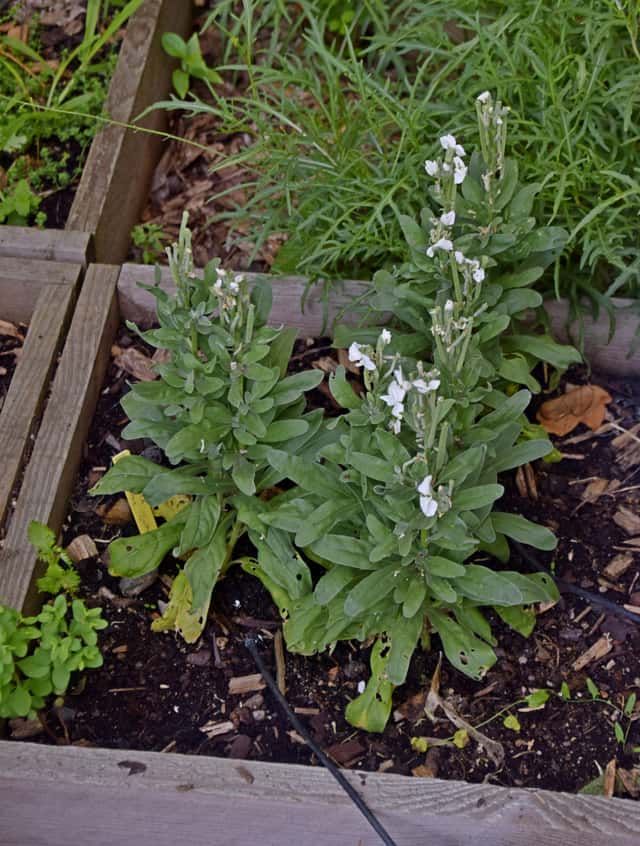
Stock (Matthiola) is a easy-care plant from the Brassicaceae family. Matthiola, commonly known as stock or gillyflower, is a genus of flowering herbaceous plants in the Brassicaceae family, native to the Mediterranean region. Prized for their dense, fragrant flower spikes in shades of white, pink, purple, lavender and cream, they are widely grown as garden ornamental...
Stock grows up to 90cm, spread of 35cm, watering every 3 days, 7°C – 26°C. It is not suitable for indoor environments and safe for pets.
Unlike many tropical plants, Stock tolerates watering mistakes. Best for beginners. Unlike many popular species, Stock is safe to keep around pets.
How to Care for Stock?
TLDR: Stock needs Direct sun, watering every 3 days, and temperatures between 7-26°C with 40-70% humidity.
How Often Should You Water Stock?
Water when the top of the soil starts to dry out, avoiding wetting the foliage to reduce fungal disease risk; morning watering lets leaves dry during the day.
How Much Light Does Stock Need?
Prefers full sun (6+ hours of direct light daily) but tolerates partial shade in hot climates.
What Is the Best Soil for Stock?
Use well-drained, humus-rich soil with a neutral to slightly alkaline pH (6.5-7.5); avoid acidic or waterlogged soils.
What Pot Should You Use for Stock?
Wide, shallow, well-draining pots in terracotta or ceramic, allowing good airflow around the foliage.
Care Schedule
Fertilize
Every 35 days
What Is Stock and Where Does It Come From?
Matthiola, commonly known as stock or gillyflower, is a genus of flowering herbaceous plants in the Brassicaceae family, native to the Mediterranean region. Prized for their dense, fragrant flower spikes in shades of white, pink, purple, lavender and cream, they are widely grown as garden ornamentals and cut flowers, blooming from spring through summer.
How to Propagate Stock?
Seed propagation
Avoid overcrowding seedlings — damp foliage and poor ventilation favor powdery and downy mildew.
- 1 Sow seeds in a light, well-drained seed-starting mix, covering lightly
- 2 Keep the mix moist in a bright spot around 15-18°C (59-64°F)
- 3 Transplant seedlings to their final spot once 2-3 true leaves appear, spacing plants well for airflow
Materials needed:
How Big Does Stock Grow?
TLDR: Stock can reach up to 90cm tall with Fast growth rate.
Max height
90cm
Spread
35cm
Growth rate
Fast
Foliage
Deciduous
Plant Uses
Ornamental
Great for decoration
Aromatic
Pleasant fragrance
Edible
Can be consumed
Culinary Uses
- Edible petals used to garnish salads and desserts
Is your plant showing symptoms?
Click on the symptom to discover possible causes:
What Diseases Commonly Affect Stock?
TLDR: Stock is susceptible to 7 known diseases. Monitor regularly for early detection.
Downy Mildew
Downy mildew is a fungal-like disease caused by oomycetes (water molds) that thrives in cool, wet conditions. It affects a wide range of plants, causing yellowing leaves with fuzzy white-gray growth underneath, leading to defoliation and reduced yields if left untreated.
Powdery Mildew
Powdery mildew is a common fungal disease caused by various fungi species including Erysiphe, Podosphaera, Oïdium, and Leveillula. It affects over 10,000 plant species worldwide. The disease thrives in warm, dry climates with high humidity and appears as a distinctive white powdery coating on plant surfaces.
Root Rot
Root rot is a serious fungal disease that affects the root system of plants, causing them to decay and die. It is primarily caused by overwatering, poor drainage, or soil-borne fungi such as Pythium, Phytophthora, Rhizoctonia, and Fusarium. The disease thrives in waterlogged conditions where roots are deprived of oxygen, making them susceptible to fungal infection.
White Mold
White mold (Sclerotinia sclerotiorum) is a devastating fungal disease affecting over 400 plant species worldwide. The fungus produces black, seed-like structures (sclerotia) that can survive in soil for 5 or more years. The disease is favored by cool, moist weather (50-68°F/10-20°C), especially during flowering.
Meaning & Symbolism
In Victorian flower language, stock symbolizes lasting beauty, a happy life, and bonds of affection, tied to its persistent, clove-like fragrance.
Compare with similar plants
| Attribute | Difficulty | Light | Watering | Pet Safe |
|---|---|---|---|---|
| Field Maple | Easy | Bright indirect | 14d | ✓ |
| Silver Birch | Easy | Direct sun | 14d | ✓ |
| Cushion Bush | Easy | Direct sun | 14d | ✓ |
| Peruvian peppertree | Easy | Direct sun | 14d | ⚠️ |
Choose & Compare
Sources & References
- Matthiola incana - NC State Extension Gardener Plant Toolbox
- Matthiola incana (Stock Flower): How to Grow and Care
- Stock Flower Care: Growing Info For Matthiola
- How To Grow And Care For Stock Flowers - BBC Gardeners World
- Mothers Day Bouquets: Whats Safe for Pets? - ASPCA
- Goivo - Matthiola incana - Jardineiro.net
- Alheli de invierno - Matthiola incana - Infojardin





