Myrtaceae
Tasmanian Blue Gum: Aromatic Plant
Eucalyptus globulus
The Tasmanian Blue Gum thrives in full sun and well-draining soil. Water every 7 days allowing the soil to partially dry between sessions. Fertilize every 3 months during the growing season with a balanced low-nitrogen fertilizer. Hardy in USDA zones 8–11. Annual pruning helps control size and promotes aromatic juvenile foliage.
Every 7 days
Direct sun
-6° - 35°C
40% - 70%
Categories
What is Tasmanian Blue Gum?
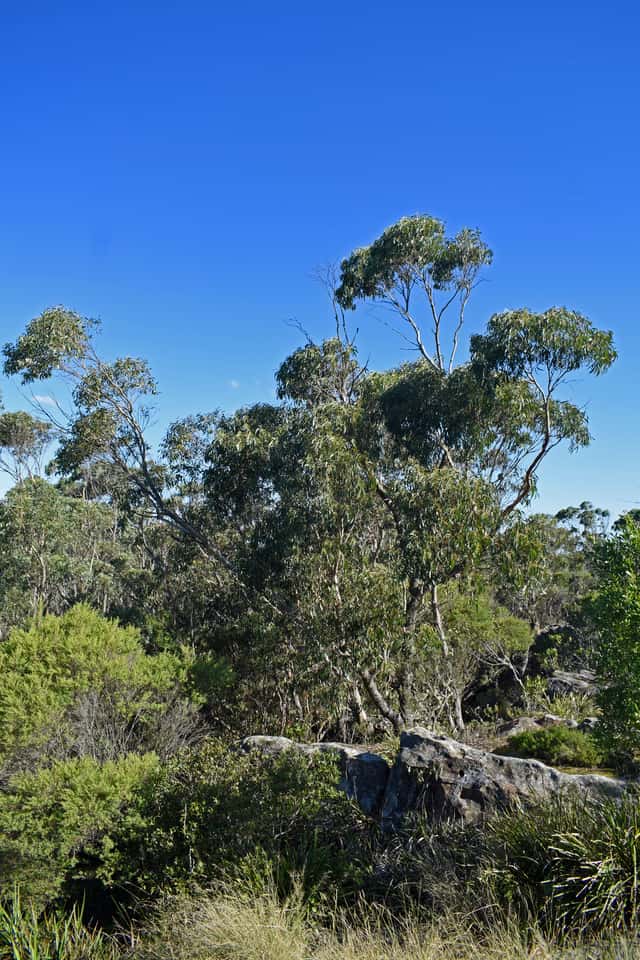
Tasmanian Blue Gum (Eucalyptus globulus) is a medium-care plant from the Myrtaceae family. Eucalyptus globulus, commonly known as the Tasmanian Blue Gum, is a fast-growing evergreen tree native to Tasmania and southeastern Australia. Belonging to the Myrtaceae family, it can reach up to 70 metres in height under optimal conditions. Juvenile leaves are rounded with a distinctive blue-grey...
Tasmanian Blue Gum grows up to 70.0m, spread of 600cm, watering every 7 days, -6°C – 35°C, 40–70% humidity. It is not suitable for indoor environments and not safe for pets.
Without precautions, ingestion can cause irritation in pets. Keep out of reach of cats and dogs.
How to Care for Tasmanian Blue Gum?
TLDR: Tasmanian Blue Gum needs Direct sun, watering every 7 days, and temperatures between -6-35°C with 40-70% humidity.
How Often Should You Water Tasmanian Blue Gum?
Water deeply every 7 days, allowing the top layer of soil to dry out between waterings. Avoid waterlogging as this tree is susceptible to root rot from excessive moisture.
How Much Light Does Tasmanian Blue Gum Need?
Requires full direct sunlight for at least 6 hours per day. Place in the sunniest available spot — a south or west-facing position is ideal for maximum light exposure.
What Is the Best Soil for Tasmanian Blue Gum?
Use well-draining, slightly acidic to neutral soil (pH 5.5–7.0). A mix of loamy garden soil with perlite or coarse sand works well. Avoid heavy clay or waterlogged substrates.
What Pot Should You Use for Tasmanian Blue Gum?
Large terracotta or wooden planter with ample drainage holes. For outdoor specimens, direct ground planting is strongly preferred to allow the root system to develop fully.
Care Schedule
Fertilize
Every 90 days
Repot
Every 548 days
What Is Tasmanian Blue Gum and Where Does It Come From?
Eucalyptus globulus, commonly known as the Tasmanian Blue Gum, is a fast-growing evergreen tree native to Tasmania and southeastern Australia. Belonging to the Myrtaceae family, it can reach up to 70 metres in height under optimal conditions. Juvenile leaves are rounded with a distinctive blue-grey waxy coating, while mature leaves become long, lance-shaped, and pendulous. Widely cultivated worldwide for its medicinal, aromatic, and timber value, it is renowned for its essential oil with potent antiseptic and expectorant properties. The foliage is toxic if ingested by humans, cats, or dogs.
How Big Does Tasmanian Blue Gum Grow?
TLDR: Tasmanian Blue Gum can reach up to 70.0m tall with Fast growth rate.
Max height
70.0m
Spread
6.0m
Growth rate
Fast
Foliage
Evergreen
Warning: Toxic Plant
This plant can be toxic if ingested. Keep out of reach of:
Plant Uses
Ornamental
Great for decoration
Medicinal
Medicinal properties
Aromatic
Pleasant fragrance
Medicinal Uses
- Essential oil used as a powerful antiseptic and expectorant for respiratory infections
- Steam inhalation relieves nasal congestion, sinusitis, and bronchitis
- Diluted topical application soothes muscle pain and joint inflammation
- Antibacterial and anti-inflammatory properties used in mouthwashes and dental products
- Aromatherapy applications for stress relief and mental clarity
Is your plant showing symptoms?
Click on the symptom to discover possible causes:
What Diseases Commonly Affect Tasmanian Blue Gum?
TLDR: Tasmanian Blue Gum is susceptible to 6 known diseases. Monitor regularly for early detection.
Anthracnose
Anthracnose is a fungal disease caused by fungi in the genus Colletotrichum that affects many plants, including vegetables, fruits, and trees. The disease thrives in cool, wet conditions, causing dark, sunken lesions on leaves, stems, flowers, and fruits.
Powdery Mildew
Powdery mildew is a common fungal disease caused by various fungi species including Erysiphe, Podosphaera, Oïdium, and Leveillula. It affects over 10,000 plant species worldwide. The disease thrives in warm, dry climates with high humidity and appears as a distinctive white powdery coating on plant surfaces.
Phytophthora Root Rot
Disease caused by fungus-like organisms (oomycetes) that live in soil and can survive for years. It affects roots, stem, and crown of plants, being especially severe in waterlogged or poorly drained soils. It is the second most common cause of root rot in trees and shrubs.
Canker
Canker is a disease caused by various fungi and bacteria that create necrotic, sunken areas on bark of branches, stems, and trunks. Pathogens enter through wounds and natural openings, especially when plants are stressed. Canker can gradually weaken or kill branches by disrupting water and nutrient flow.
Meaning & Symbolism
In Australian Aboriginal culture, eucalyptus represents healing and connection to the land. In Victorian flower language, the Blue Gum symbolizes protection, purification, and resilience.
Compare with similar plants
| Attribute | Difficulty | Light | Watering | Pet Safe |
|---|---|---|---|---|
| Azalea | Medium | Partial shade | 3d | ⚠️ |
| Wild Lettuce | Medium | Direct sun | 7d | ⚠️ |
| Cape Primrose | Medium | Partial shade | 7d | ✓ |
| Honey Locust | Medium | Direct sun | 14d | ✓ |