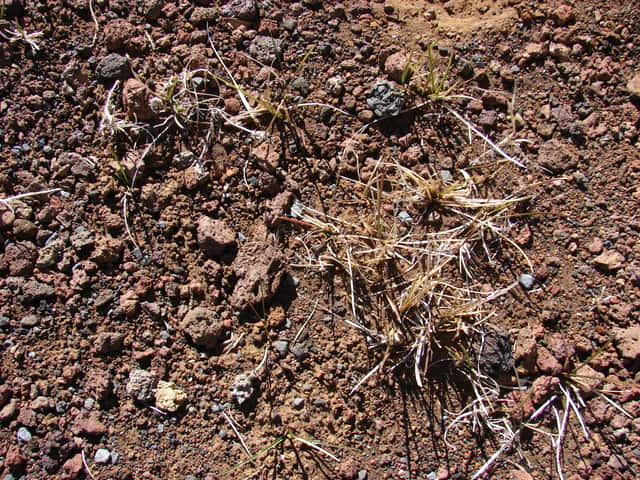
Poaceae
Kentucky Bluegrass
Poa pratensis
Water 2–3 times per week during active growth in spring and fall, providing approximately 1–1.5 inches per week. During summer heat, bluegrass may go dormant; reduce watering unless you wish to maintain green color year-round. Always water in the early morning to minimize disease risk.
Every 5 days
Bright indirect
-30° - 29°C
40% - 70%
Categories
What is Kentucky bluegrass?
Kentucky bluegrass (Poa pratensis) is a medium-care plant from the Poaceae family. Poa pratensis, commonly known as Kentucky bluegrass or smooth meadow-grass, is a perennial cool-season grass native to Europe, northern Asia, and the mountains of Algeria and Morocco. Widely naturalized across North America, it is one of the most popular turfgrasses in the world, prized for its fine...
Kentucky bluegrass grows up to 1.0m, spread of 30cm, watering every 5 days, -30°C – 29°C, 40–70% humidity. It is not suitable for indoor environments and safe for pets.
Unlike many popular species, Kentucky bluegrass is safe to keep around pets.
How to Care for Kentucky bluegrass?
TLDR: Kentucky bluegrass needs Bright indirect, watering every 5 days, and temperatures between -30-29°C with 40-70% humidity.
How Often Should You Water Kentucky bluegrass?
Irrigate deeply and infrequently to encourage deep root growth. Avoid shallow, frequent watering that promotes shallow roots and increases drought stress. Suspend irrigation during rainy periods to prevent waterlogged conditions that favor root diseases like Pythium blight and summer patch.
How Much Light Does Kentucky bluegrass Need?
Kentucky bluegrass performs best in full sun (6+ hours daily). It tolerates light shade but thins out significantly in dense shade and becomes highly susceptible to fungal diseases. In warmer USDA zones (6–7), afternoon shade can help reduce heat stress during summer.
What Is the Best Soil for Kentucky bluegrass?
Grow in fertile, well-drained loamy soil with a pH of 6.0–7.5. Avoid compacted or waterlogged soils. Annual core aeration is recommended to reduce thatch buildup and improve water infiltration. Top-dressing with compost improves soil organic matter and long-term fertility.
What Pot Should You Use for Kentucky bluegrass?
Not suited for container growing; best used as lawn, athletic field, golf fairway, or pasture grass in open outdoor areas.
Care Schedule
Fertilize
Every 14 days
Misting
Every 3 days
Rotate
Every 7 days
Repot
Every 365 days
What Is Kentucky bluegrass and Where Does It Come From?
Poa pratensis, commonly known as Kentucky bluegrass or smooth meadow-grass, is a perennial cool-season grass native to Europe, northern Asia, and the mountains of Algeria and Morocco. Widely naturalized across North America, it is one of the most popular turfgrasses in the world, prized for its fine texture, attractive blue-green color, and dense sod-forming ability through underground rhizomes. It thrives in cool, humid climates and is extensively used for lawns, athletic fields, golf courses, and pastures in USDA hardiness zones 3a–7b.
How Big Does Kentucky bluegrass Grow?
TLDR: Kentucky bluegrass can reach up to 1.0m tall with Medium growth rate.
Max height
1.0m
Spread
30cm
Growth rate
Medium
Foliage
Evergreen
Plant Uses
Ground Cover
Soil coverage
Ornamental
Great for decoration
Is your plant showing symptoms?
Click on the symptom to discover possible causes:
What Diseases Commonly Affect Kentucky bluegrass?
TLDR: Kentucky bluegrass is susceptible to 7 known diseases. Monitor regularly for early detection.
Leaf Spot
Leaf spot is a common fungal disease caused by various pathogens including Alternaria, Ascochyta, Colletotrichum, Septoria, and Venturia. It primarily affects leaves, causing discolored spots that can lead to premature leaf drop if left untreated.
Rust
Rust is a common fungal disease caused by fungi in the order Pucciniales that affects a wide variety of plants. The disease gets its name from the characteristic orange, yellow, or reddish-brown pustules that appear on leaves, resembling metal rust. This obligate fungal parasite requires living plants to survive and can cause significant economic losses in agricultural crops.
Powdery Mildew
Powdery mildew is a common fungal disease caused by various fungi species including Erysiphe, Podosphaera, Oïdium, and Leveillula. It affects over 10,000 plant species worldwide. The disease thrives in warm, dry climates with high humidity and appears as a distinctive white powdery coating on plant surfaces.
Fusarium Wilt
Fusarium wilt is a serious fungal disease caused by the soil-borne fungus Fusarium oxysporum. The fungus invades roots and blocks the water-conducting vessels (xylem) of the plant, causing progressive wilting and eventual death. Host-specific forms of the pathogen exist that attack different plant species.
Fun Facts
Kentucky bluegrass reproduces apomictically — its seeds are often clones of the mother plant, which is why thousands of cultivars can maintain genetic consistency.
The "blue" in its name refers to the blue-green tint of its seed heads when they emerge in spring.
Despite its name, Kentucky bluegrass is not native to Kentucky — it was introduced from Europe and thrived so well that it became the state's signature grass.
Compare with similar plants
| Attribute | Difficulty | Light | Watering | Pet Safe |
|---|---|---|---|---|
| Dark Fieldcap | Medium | Low light | 2d | ⚠️ |
| Azalea | Medium | Partial shade | 3d | ⚠️ |
| Bougainvillea | Medium | Direct sun | 7d | ⚠️ |
| Wild Lettuce | Medium | Direct sun | 7d | ⚠️ |



