Lamiaceae
Greek Basil: Complete Growing and Care Guide
Ocimum basilicum var. minimum
Grow in full sun or very bright indirect light with well-draining, organically rich soil, watering often enough to keep the substrate lightly moist but never soggy. Regular pinching of the tips keeps the plant bushy and productive.
Every 3 days
Direct sun
10° - 35°C
40% - 60%
Categories
What is Greek Basil?
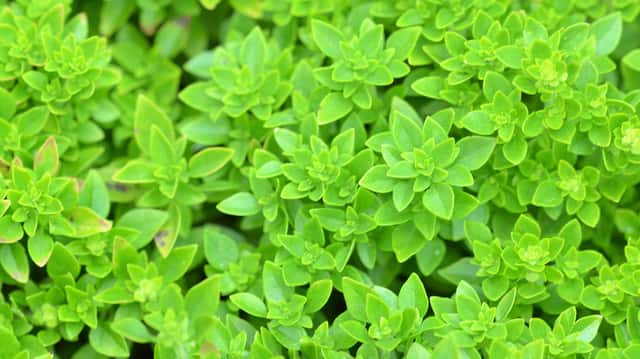
Greek Basil (Ocimum basilicum var. minimum) is a easy-care plant from the Lamiaceae family. Greek basil (Ocimum basilicum var. minimum) is a compact, bushy variety of common basil in the mint family (Lamiaceae). Also known as bush basil or dwarf basil, it forms a dense, rounded mound up to 30 cm tall, covered in small, intensely aromatic oval leaves. It is a tender annual herb (or short-li...
Greek Basil grows up to 30cm, spread of 30cm, watering every 3 days, 10°C – 35°C, 40–60% humidity. It is suitable for indoor environments and safe for pets.
Unlike many tropical plants, Greek Basil tolerates watering mistakes. Best for beginners. Unlike many popular species, Greek Basil is safe to keep around pets. Without adequate drainage, root rot can develop within 7 days.
How to Care for Greek Basil?
TLDR: Greek Basil needs Direct sun, watering every 3 days, and temperatures between 10-35°C with 40-60% humidity.
How Often Should You Water Greek Basil?
Water every 2-3 days during summer, keeping the soil evenly moist but never waterlogged. Reduce frequency in cool or overcast weather, and avoid wetting the foliage to prevent fungal disease.
How Much Light Does Greek Basil Need?
Prefers full sun (at least 6 hours daily) or very strong indirect light near a sunny window. Low light causes leggy growth and a milder aroma.
What Is the Best Soil for Greek Basil?
Use a light, organically rich, well-draining potting mix with a pH between 6.0 and 7.5. Amend with compost and avoid heavy, waterlogged soils.
What Pot Should You Use for Greek Basil?
A terracotta or clay pot with drainage holes, 15-20 cm in diameter, allows air exchange through its porous walls and helps prevent waterlogged roots.
Care Schedule
Fertilize
Every 14 days
Rotate
Every 14 days
What Is Greek Basil and Where Does It Come From?
Greek basil (Ocimum basilicum var. minimum) is a compact, bushy variety of common basil in the mint family (Lamiaceae). Also known as bush basil or dwarf basil, it forms a dense, rounded mound up to 30 cm tall, covered in small, intensely aromatic oval leaves. It is a tender annual herb (or short-lived perennial in warm climates) prized both in Mediterranean cooking and as an ornamental container plant for patios and windowsills. Small white to pale lavender flowers appear in summer, attracting bees and other pollinators. Thanks to its compact habit and fast growth, it is one of the most popular culinary herbs for small-space and indoor gardening.
How to Propagate Greek Basil?
Seed sowing
Basil seeds germinate best with consistent warmth; use a humidity dome or plastic wrap to retain moisture.
- 1 Sow in light, moist potting mix, covering seeds lightly
- 2 Keep warm (above 18°C/64°F) with indirect light until germination
- 3 Transplant seedlings once they have 2-3 sets of true leaves
Materials needed:
Stem cutting
Change the water every 2-3 days if rooting in water; roots form quickly in warm room temperatures.
- 1 Cut a healthy 8-10 cm stem with no flowers
- 2 Remove lower leaves, leaving 2-3 sets at the top
- 3 Place in water or moist potting mix until roots form
Materials needed:
How Big Does Greek Basil Grow?
TLDR: Greek Basil can reach up to 30cm tall with Fast growth rate.
Max height
30cm
Spread
30cm
Growth rate
Fast
Foliage
Evergreen
Plant Uses
Edible
Can be consumed
Aromatic
Pleasant fragrance
Ornamental
Great for decoration
Medicinal Uses
- Relief of mild indigestion and bloating
- Mild anti-inflammatory properties
- Used in calming herbal teas
Culinary Uses
- Fresh seasoning for salads and sauces
- Base ingredient for pesto and herb pastes
- Flavoring for oils and vinegars
- Pairs with tomato and cheese dishes
Is your plant showing symptoms?
Click on the symptom to discover possible causes:
What Diseases Commonly Affect Greek Basil?
TLDR: Greek Basil is susceptible to 10 known diseases. Monitor regularly for early detection.
Downy Mildew
Downy mildew is a fungal-like disease caused by oomycetes (water molds) that thrives in cool, wet conditions. It affects a wide range of plants, causing yellowing leaves with fuzzy white-gray growth underneath, leading to defoliation and reduced yields if left untreated.
Fusarium Wilt
Fusarium wilt is a serious fungal disease caused by the soil-borne fungus Fusarium oxysporum. The fungus invades roots and blocks the water-conducting vessels (xylem) of the plant, causing progressive wilting and eventual death. Host-specific forms of the pathogen exist that attack different plant species.
Gray Mold (Botrytis Blight)
Gray mold, caused by the fungus Botrytis cinerea, is a widespread necrotrophic pathogen affecting over 1,400 plant species. It thrives in cool, humid conditions and attacks weakened or aging plant tissues, causing soft rot and characteristic gray fuzzy growth.
Damping Off
Damping off is a soil-borne fungal disease that affects seeds and young seedlings, causing rotting of stem and root tissues at and below the soil line. It is caused by several fungi including Pythium, Rhizoctonia, Fusarium, and Phytophthora. The disease thrives in cold, wet conditions with poor air circulation.
Meaning & Symbolism
In Greek and Mediterranean tradition, basil (from Greek basilikos, "royal") symbolizes love, hospitality, and protection; it is traditionally kept on windowsills and doorsteps to welcome guests and ward off misfortune.
Fun Facts
The word "basilikos" comes from Greek and means "royal" or "fit for a king."
A single plant can produce dozens of small aromatic branches over a single growing season.
Its white to lavender flowers are a magnet for bees and pollinators in the garden.
Frequently asked questions
Is Greek basil the same as common basil?
Can I grow Greek basil indoors?
How often should I harvest the leaves?
Is Greek basil toxic to cats and dogs?
Compare with similar plants
| Attribute | Difficulty | Light | Watering | Pet Safe |
|---|---|---|---|---|
| Field Maple | Easy | Bright indirect | 14d | ✓ |
| Silver Birch | Easy | Direct sun | 14d | ✓ |
| Common Blanketflower | Easy | Direct sun | 10d | ✓ |
| Cushion Bush | Easy | Direct sun | 14d | ✓ |





