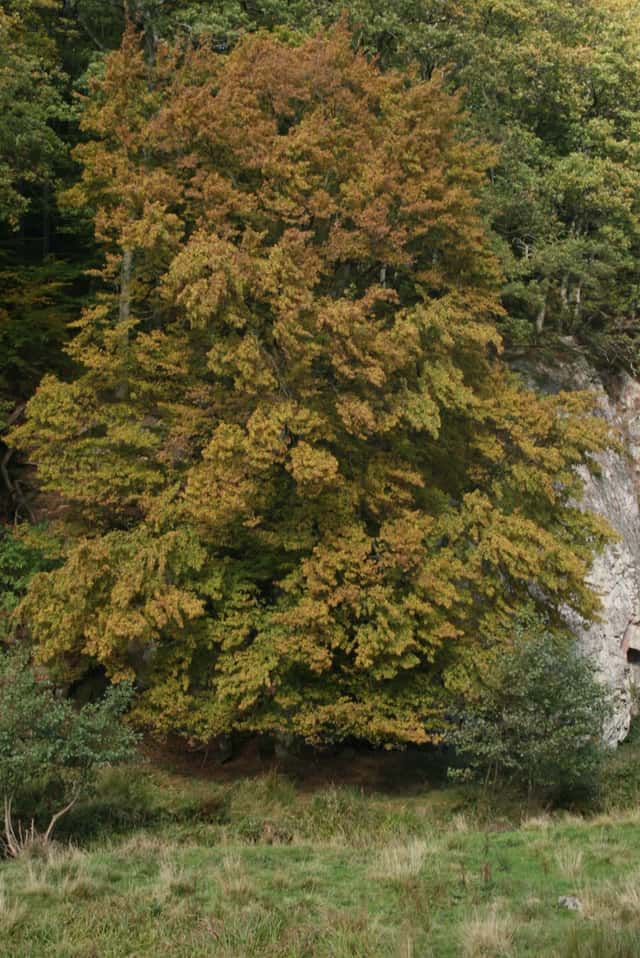
Betulaceae
European Hornbeam (Carpinus betulus)
Carpinus betulus
Plant in full sun to partial shade in fertile, well-draining soil. Water regularly while establishing, then only during prolonged dry spells. Tolerates heavy pruning and shaping at almost any time of year.
Every 7 days
Bright indirect
-25° - 35°C
40% - 70%
Categories
What is European Hornbeam?
European Hornbeam (Carpinus betulus) is a easy-care plant from the Betulaceae family. The European hornbeam (Carpinus betulus) is a hardy deciduous tree native to Europe and parts of western Asia, prized for its dense, fine-textured foliage and smooth, fluted grey bark. It responds exceptionally well to clipping, which is why it is one of the most popular species for formal hedges an...
European Hornbeam grows up to 25.0m, spread of 1500cm, watering every 7 days, -25°C – 35°C, 40–70% humidity. It is not suitable for indoor environments and safe for pets.
Unlike many tropical plants, European Hornbeam tolerates watering mistakes. Best for beginners. Unlike many popular species, European Hornbeam is safe to keep around pets.
How to Care for European Hornbeam?
TLDR: European Hornbeam needs Bright indirect, watering every 7 days, and temperatures between -25-35°C with 40-70% humidity.
How Often Should You Water European Hornbeam?
Water deeply once a week during the first two growing seasons; established trees only need extra water during extended droughts.
How Much Light Does European Hornbeam Need?
Give it 6-8 hours of sun for the densest foliage, though it also tolerates partial shade better than most hedging trees.
What Is the Best Soil for European Hornbeam?
Grows in almost any well-draining soil, from clay to sandy loam, with a pH between 6.0 and 7.5.
What Pot Should You Use for European Hornbeam?
For bonsai or container growing, use a wide, shallow, frost-proof pot with excellent drainage.
What Is European Hornbeam and Where Does It Come From?
The European hornbeam (Carpinus betulus) is a hardy deciduous tree native to Europe and parts of western Asia, prized for its dense, fine-textured foliage and smooth, fluted grey bark. It responds exceptionally well to clipping, which is why it is one of the most popular species for formal hedges and topiary, and its small leaves and compact root system also make it a favorite subject for bonsai.
How to Propagate European Hornbeam?
Seed sowing
Fresh seed germinates far better than stored seed; stratification is essential to break dormancy.
- 1 Collect ripe seeds (nutlets) in autumn
- 2 Cold-stratify seeds in moist sand for 3-4 months
- 3 Sow in well-draining seed compost in late winter
- 4 Keep moist and in a sheltered spot until germination
Materials needed:
Layering
Layering is a reliable way to propagate named cultivars true to type.
- 1 Select a low, flexible young branch
- 2 Wound the underside of the branch slightly
- 3 Peg the wounded section into the soil, leaving the tip exposed
- 4 Keep the buried section moist until roots form, then sever from the parent tree
Materials needed:
How Big Does European Hornbeam Grow?
TLDR: European Hornbeam can reach up to 25.0m tall with Medium growth rate.
Max height
25.0m
Spread
15.0m
Growth rate
Medium
Foliage
Deciduous
Plant Uses
Ornamental
Great for decoration
Is your plant showing symptoms?
Click on the symptom to discover possible causes:
What Diseases Commonly Affect European Hornbeam?
TLDR: European Hornbeam is susceptible to 5 known diseases. Monitor regularly for early detection.
Powdery Mildew
Powdery mildew is a common fungal disease caused by various fungi species including Erysiphe, Podosphaera, Oïdium, and Leveillula. It affects over 10,000 plant species worldwide. The disease thrives in warm, dry climates with high humidity and appears as a distinctive white powdery coating on plant surfaces.
Anthracnose
Anthracnose is a fungal disease caused by fungi in the genus Colletotrichum that affects many plants, including vegetables, fruits, and trees. The disease thrives in cool, wet conditions, causing dark, sunken lesions on leaves, stems, flowers, and fruits.
Phytophthora Root Rot
Disease caused by fungus-like organisms (oomycetes) that live in soil and can survive for years. It affects roots, stem, and crown of plants, being especially severe in waterlogged or poorly drained soils. It is the second most common cause of root rot in trees and shrubs.
Sooty Mold
Sooty mold is a fungal disease that develops on surfaces coated with honeydew, a sticky sweet substance secreted by sap-sucking insects like aphids, scale insects, and whiteflies. While it does not directly infect plant tissue, it reduces photosynthetic capacity by blocking sunlight and diminishes the plant's aesthetic appearance.
Meaning & Symbolism
A symbol of strength, resilience, and steady endurance, reflecting the toughness of its wood.
Fun Facts
Hornbeam wood is one of the hardest of any European tree, historically used for cog wheels, butchers' blocks, and piano hammers.
Young hornbeam hedges retain their dried brown leaves through winter, a trait called marcescence.
The name "hornbeam" comes from the hardness of its wood ("horn") and the Old English word for tree ("beam").
Frequently asked questions
Is European hornbeam toxic to pets or humans?
How often should I water a European hornbeam?
Can I grow European hornbeam as a hedge?
Does hornbeam make a good bonsai?
Compare with similar plants
| Attribute | Difficulty | Light | Watering | Pet Safe |
|---|---|---|---|---|
| Field Maple | Easy | Bright indirect | 14d | ✓ |
| Silver Birch | Easy | Direct sun | 14d | ✓ |
| Cushion Bush | Easy | Direct sun | 14d | ✓ |
| Peruvian peppertree | Easy | Direct sun | 14d | ⚠️ |





