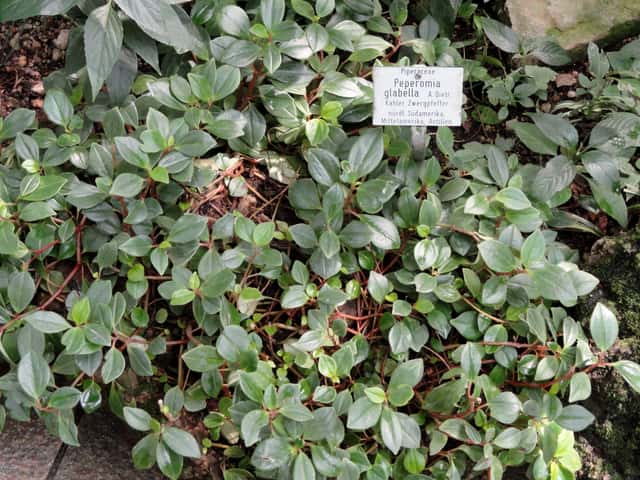
Piperaceae
Cypress Peperomia Care Guide
Peperomia glabella
Give it bright indirect light, let the soil dry out between waterings, and pot it in a well-draining mix. It is forgiving of neglect but dislikes soggy soil.
Every 10 days
Partial shade
16° - 27°C
40% - 60%
Categories
What is Cypress Peperomia?
Cypress Peperomia (Peperomia glabella) is a easy-care plant from the Piperaceae family. Cypress Peperomia is a trailing, semi-succulent epiphyte native to South Florida and tropical America, where it grows on trees and rocks in humid hammocks and cloud forests. It has glossy, oval, dark green leaves on reddish stems that cascade gracefully, making it a popular low-maintenance houseplan...
Cypress Peperomia grows up to 20cm, spread of 60cm, watering every 10 days, 16°C – 27°C, 40–60% humidity. It is suitable for indoor environments and safe for pets.
Unlike many tropical plants, Cypress Peperomia tolerates watering mistakes. Best for beginners. Unlike many popular species, Cypress Peperomia is safe to keep around pets. Without adequate drainage, root rot can develop within 20 days.
How to Care for Cypress Peperomia?
TLDR: Cypress Peperomia needs Partial shade, watering every 10 days, and temperatures between 16-27°C with 40-60% humidity.
How Often Should You Water Cypress Peperomia?
Water only when the top 2-3 inches of soil are dry. The thick, water-storing leaves make this plant fairly drought-tolerant, so it is better to underwater than overwater.
How Much Light Does Cypress Peperomia Need?
Thrives in bright, indirect light. It tolerates medium light but may become leggy in low light and can scorch in direct sun.
What Is the Best Soil for Cypress Peperomia?
Use a loose, well-draining mix such as loamy potting soil amended with perlite or peat moss to prevent waterlogging.
What Pot Should You Use for Cypress Peperomia?
A small to medium pot with ample drainage holes, such as terracotta, which helps excess moisture evaporate and protects against root rot.
Care Schedule
Fertilize
Every 45 days
Repot
Every 730 days
What Is Cypress Peperomia and Where Does It Come From?
Cypress Peperomia is a trailing, semi-succulent epiphyte native to South Florida and tropical America, where it grows on trees and rocks in humid hammocks and cloud forests. It has glossy, oval, dark green leaves on reddish stems that cascade gracefully, making it a popular low-maintenance houseplant for hanging baskets.
How to Propagate Cypress Peperomia?
Stem Cutting
Change water weekly if rooting in water, and keep soil lightly moist but never soggy while roots establish.
- 1 Cut a healthy stem section with 2-3 leaves below a node
- 2 Let the cut end callus for a few hours
- 3 Place the cutting in moist well-draining soil or water
- 4 Keep in bright indirect light until roots form
Materials needed:
How Big Does Cypress Peperomia Grow?
TLDR: Cypress Peperomia can reach up to 20cm tall with Medium growth rate.
Max height
20cm
Spread
60cm
Growth rate
Medium
Foliage
Evergreen
Plant Uses
Ornamental
Great for decoration
Is your plant showing symptoms?
Click on the symptom to discover possible causes:
What Diseases Commonly Affect Cypress Peperomia?
TLDR: Cypress Peperomia is susceptible to 5 known diseases. Monitor regularly for early detection.
Mealybugs
Mealybugs are small, soft-bodied insects covered with a white, waxy, cottony material. They are common pests of houseplants and outdoor plants in mild climates. These sap-sucking insects feed on plant tissue, causing damage, stunted growth, and can lead to plant death if left untreated. They produce sticky honeydew which attracts sooty mold.
Spider Mites
Spider mites are tiny arachnids (less than 1/20 inch long) related to spiders and ticks that feed on plant sap. They thrive in hot, dry conditions and can cause significant damage to ornamental and vegetable plants. During severe infestations, crop losses can reach 14% or higher as these pests disrupt vital plant processes including photosynthesis, carbon dioxide absorption, and transpiration.
Whiteflies
Whiteflies are small, soft-bodied, winged insects closely related to aphids and mealybugs. They are moth-like in appearance, about 1/16 inch long, triangular in shape, and gray-white in color. These sap-sucking pests feed on plant tissue, causing yellowing, stunted growth, and wilting. They also excrete honeydew, which attracts ants and promotes sooty mold growth. Whiteflies can transmit serious plant viruses.
Botrytis
Meaning & Symbolism
Symbolizes quiet resilience and adaptability, reflecting how the plant thrives unnoticed on trees and rocks in tropical forests.
Fun Facts
Its genus name Peperomia means "resembling pepper," a nod to its close relation to the black pepper plant.
In the wild it grows as an epiphyte or lithophyte, clinging to tree bark and rocks in tropical hammocks.
The reddish stems and glossy leaves give it the alternate common name wax privet, though it is unrelated to true privets.
Frequently asked questions
How often should I water my Cypress Peperomia?
Is Cypress Peperomia toxic to cats or dogs?
Why is my Cypress Peperomia losing its leaves?
How do I propagate Cypress Peperomia?
Does Cypress Peperomia need high humidity?
Compare with similar plants
| Attribute | Difficulty | Light | Watering | Pet Safe |
|---|---|---|---|---|
| Field Maple | Easy | Bright indirect | 14d | ✓ |
| Silver Birch | Easy | Direct sun | 14d | ✓ |
| Cushion Bush | Easy | Direct sun | 14d | ✓ |
| Peruvian peppertree | Easy | Direct sun | 14d | ⚠️ |





