Caprifoliaceae
Common Snowberry: Ground Cover Plant
Symphoricarpos albus
Common snowberry is a robust, low-maintenance plant that thrives in full sun to partial shade. It tolerates most soil types, including clay and dry soil, as long as it is well-drained. Water regularly during the first season; once established, it is drought-tolerant. Fertilize once a year in the spring. Prune after flowering to maintain its shape.
Every 7 days
Bright indirect
-40° - 35°C
30% - 70%
Categories
What is Common Snowberry?
Common Snowberry (Symphoricarpos albus) is a easy-care plant from the Caprifoliaceae family. Common snowberry (Symphoricarpos albus) is a deciduous shrub in the honeysuckle family (Caprifoliaceae), native to North America. It is known for its characteristic snow-white berries that cling to the branches long into the winter season after the leaves have fallen. The shrub grows up to 6 feet (1...
Common Snowberry grows up to 1.8m, spread of 180cm, watering every 7 days, -40°C – 35°C, 30–70% humidity. It is not suitable for indoor environments and not safe for pets.
Unlike many tropical plants, Common Snowberry tolerates watering mistakes. Best for beginners. Without precautions, ingestion can cause irritation in pets. Keep out of reach of cats and dogs.
How to Care for Common Snowberry?
TLDR: Common Snowberry needs Bright indirect, watering every 7 days, and temperatures between -40-35°C with 30-70% humidity.
How Often Should You Water Common Snowberry?
Water newly planted shrubs regularly—about 1 inch (2.5 cm) of water per week—throughout the first season to establish a strong root system. After establishment, snowberry is drought-tolerant and only needs extra watering during prolonged dry spells. Avoid overwatering, as it can lead to root rot.
How Much Light Does Common Snowberry Need?
Common snowberry thrives best in full sun (6+ hours of direct sunlight daily) and produces the most berries in the sun. It still tolerates partial shade well and can even grow in full shade, though flowering and berry set will be reduced. Choose a sunny location for best results.
What Is the Best Soil for Common Snowberry?
Common snowberry is highly adaptable and tolerates lime, clay, sandy, and loamy soils. It prefers well-drained soil with a pH of 6.0–8.0. It tolerates poor and dry soil but does not thrive in persistently wet or waterlogged conditions.
Care Schedule
Fertilize
Every 365 days
What Is Common Snowberry and Where Does It Come From?
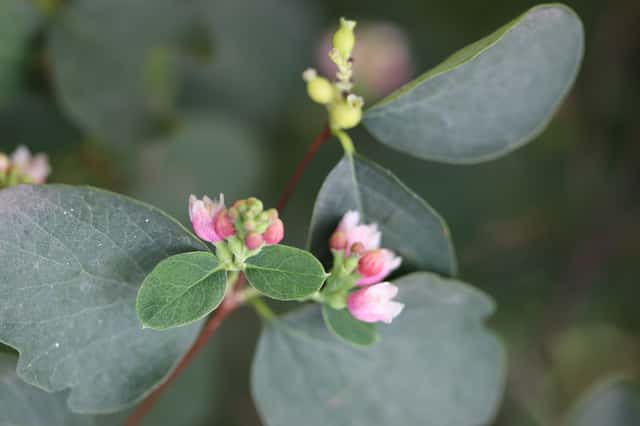
Common snowberry (Symphoricarpos albus) is a deciduous shrub in the honeysuckle family (Caprifoliaceae), native to North America. It is known for its characteristic snow-white berries that cling to the branches long into the winter season after the leaves have fallen. The shrub grows up to 6 feet (180 cm) tall and wide, forming dense thickets through root suckers, and is extremely hardy down to -40 °F (-40 °C). The flowers are small, bell-shaped, and whitish-pink, blooming in the summer. Snowberry is an excellent garden and wildlife plant that attracts birds, bumblebees, and butterflies.
How to Propagate Common Snowberry?
How Big Does Common Snowberry Grow?
TLDR: Common Snowberry can reach up to 1.8m tall with Fast growth rate.
Max height
1.8m
Spread
1.8m
Growth rate
Fast
Foliage
Deciduous
Warning: Toxic Plant
This plant can be toxic if ingested. Keep out of reach of:
Plant Uses
Ornamental
Great for decoration
Ground Cover
Soil coverage
Medicinal Uses
- Indigenous groups in North America used the bark and roots to treat skin and eye conditions
- The berries were used medicinally by some indigenous groups, but they are toxic and should not be ingested
Culinary Uses
- The berries are NOT edible—they contain calcium oxalate and saponins which can cause vomiting and diarrhea
Is your plant showing symptoms?
Click on the symptom to discover possible causes:
What Diseases Commonly Affect Common Snowberry?
TLDR: Common Snowberry is susceptible to 7 known diseases. Monitor regularly for early detection.
Anthracnose
Anthracnose is a fungal disease caused by fungi in the genus Colletotrichum that affects many plants, including vegetables, fruits, and trees. The disease thrives in cool, wet conditions, causing dark, sunken lesions on leaves, stems, flowers, and fruits.
Powdery Mildew
Powdery mildew is a common fungal disease caused by various fungi species including Erysiphe, Podosphaera, Oïdium, and Leveillula. It affects over 10,000 plant species worldwide. The disease thrives in warm, dry climates with high humidity and appears as a distinctive white powdery coating on plant surfaces.
Leaf Spot
Leaf spot is a common fungal disease caused by various pathogens including Alternaria, Ascochyta, Colletotrichum, Septoria, and Venturia. It primarily affects leaves, causing discolored spots that can lead to premature leaf drop if left untreated.
Rust
Rust is a common fungal disease caused by fungi in the order Pucciniales that affects a wide variety of plants. The disease gets its name from the characteristic orange, yellow, or reddish-brown pustules that appear on leaves, resembling metal rust. This obligate fungal parasite requires living plants to survive and can cause significant economic losses in agricultural crops.
Meaning & Symbolism
In North American folklore, the snow-white berries have been associated with purity, humility, and the quiet beauty of winter. For many indigenous groups, the berries held practical and ritual significance.
Compare with similar plants
| Attribute | Difficulty | Light | Watering | Pet Safe |
|---|---|---|---|---|
| Field Maple | Easy | Bright indirect | 14d | ✓ |
| Silver Birch | Easy | Direct sun | 14d | ✓ |
| Cushion Bush | Easy | Direct sun | 14d | ✓ |
| Peruvian peppertree | Easy | Direct sun | 14d | ⚠️ |





