Moraceae
Osage Orange: Complete Growing & Care Guide
Maclura pomifera
An exceptionally tough, low-maintenance tree tolerant of drought, poor soils, clay, and pollution. Needs full sun and minimal care once established; virtually free of serious pests and diseases.
Every 14 days
Direct sun
° - °C
% - %
Categories
What is Osage Orange?
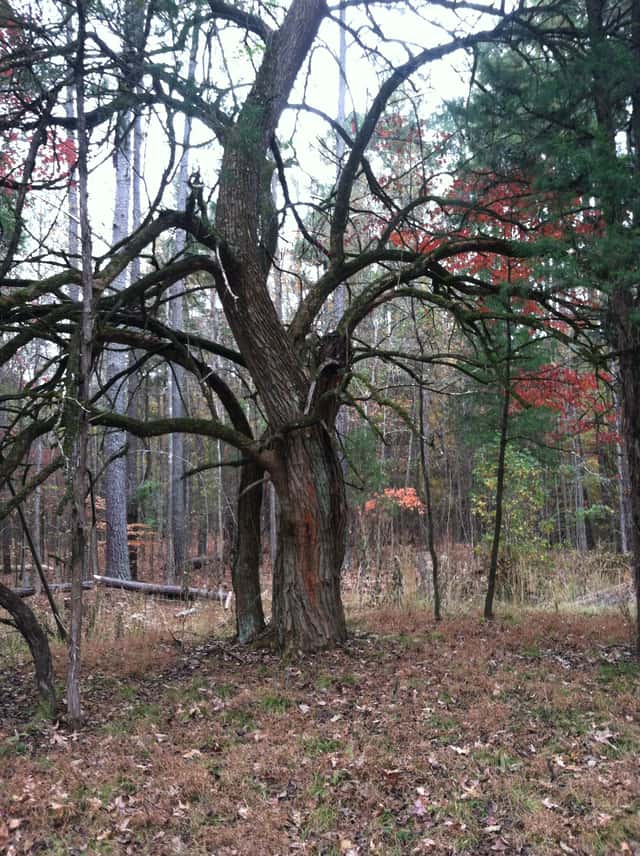
Osage Orange (Maclura pomifera) is a easy-care plant from the Moraceae family. Osage orange (Maclura pomifera) is a medium to large deciduous tree native to the river valleys of Oklahoma, Texas, and Arkansas. It is best known for its large, wrinkled, yellow-green fruit that resembles an orange but is inedible to humans. Historically planted as a thorny living fence before the...
Osage Orange grows up to 21.0m, spread of 1800cm, watering every 14 days. It is not suitable for indoor environments and safe for pets.
Unlike many tropical plants, Osage Orange tolerates watering mistakes. Best for beginners. Unlike many popular species, Osage Orange is safe to keep around pets.
How to Care for Osage Orange?
TLDR: Osage Orange needs Direct sun, watering every 14 days, and temperatures between 15-30°C with 40-70% humidity.
How Often Should You Water Osage Orange?
Water weekly during the first growing season to establish roots. Once established, it is highly drought-tolerant and rarely needs supplemental watering except during prolonged drought.
How Much Light Does Osage Orange Need?
Prefers full sun, with at least 6-8 hours of direct sunlight daily. Tolerates partial shade, but growth and fruiting are reduced.
What Is the Best Soil for Osage Orange?
Adapts to almost any soil type -- sandy, clay, rocky, or poor -- as long as drainage is adequate. Tolerates acidic to alkaline pH.
What Pot Should You Use for Osage Orange?
Not suited for permanent container growing due to its large mature size; young saplings can be kept in large, deep pots only temporarily before transplanting into open ground.
What Is Osage Orange and Where Does It Come From?
Osage orange (Maclura pomifera) is a medium to large deciduous tree native to the river valleys of Oklahoma, Texas, and Arkansas. It is best known for its large, wrinkled, yellow-green fruit that resembles an orange but is inedible to humans. Historically planted as a thorny living fence before the invention of barbed wire, its extremely dense, durable wood was prized by Native American tribes for making bows -- earning it the name bois d'arc (wood of the bow).
How to Propagate Osage Orange?
Seed propagation
Wear gloves when handling fruit pulp, as the sap can irritate skin. Seeds have a hard coat and benefit from stratification.
- 1 Collect ripe fruit in fall and extract seeds by soaking and mashing the pulp
- 2 Cold-stratify seeds in moist sand for 60-90 days at 1-4C
- 3 Sow stratified seeds in well-draining soil in spring
- 4 Keep soil consistently moist until germination
Materials needed:
Hardwood cutting
Root cuttings from vigorous, healthy branches for best results.
- 1 Take 20-30 cm hardwood cuttings from dormant branches in late winter
- 2 Apply rooting hormone to the cut end
- 3 Insert cuttings into well-draining rooting medium
- 4 Keep medium moist and in a sheltered, partially shaded spot until roots form
Materials needed:
How Big Does Osage Orange Grow?
TLDR: Osage Orange can reach up to 21.0m tall with Fast growth rate.
Max height
21.0m
Spread
18.0m
Growth rate
Fast
Foliage
Deciduous
Warning: Toxic Plant
This plant can be toxic if ingested. Keep out of reach of:
Plant Uses
Ornamental
Great for decoration
Medicinal
Medicinal properties
Medicinal Uses
- Root decoction used topically by the Comanche as a wash for sore eyes
Is your plant showing symptoms?
Click on the symptom to discover possible causes:
What Diseases Commonly Affect Osage Orange?
TLDR: Osage Orange is susceptible to 5 known diseases. Monitor regularly for early detection.
Verticillium Wilt
Verticillium wilt is a soil-borne fungal disease caused primarily by the fungi Verticillium dahliae and V. albo-atrum. These pathogens infect plant roots and grow within the vascular tissues, blocking water and nutrient transport, resulting in wilting and eventual plant death. The disease affects over 350 plant species including vegetables, fruits, ornamental flowers, and trees. The fungi can survive in soil for more than 10 years as resistant structures called microsclerotia.
Mosaic Virus
Mosaic virus is a group of plant viruses that cause mottled, patchy patterns on leaves and can affect a wide variety of plants. The virus creates characteristic yellow, white, and green mosaic patterns, often accompanied by stunted growth and deformed plant parts. This highly contagious disease spreads rapidly through insect vectors and contaminated tools.
Leaf Spot
Leaf spot is a common fungal disease caused by various pathogens including Alternaria, Ascochyta, Colletotrichum, Septoria, and Venturia. It primarily affects leaves, causing discolored spots that can lead to premature leaf drop if left untreated.
Scale Insects
Scale insects are small sap-sucking pests that appear as brown, shell-like bumps on plant stems and leaves. There are over 25 species, divided into armored (hard) and unarmored (soft) scales. They feed by piercing plant tissue and extracting sap, which weakens the plant and can lead to yellowing, stunted growth, and even death if left untreated. They also excrete honeydew, which attracts ants and promotes sooty mold growth.
Meaning & Symbolism
Symbolizes protection, resilience, and boundary-marking, rooted in its traditional use as a thorny living fence and in bow-making by Native American tribes.
Fun Facts
Osage orange wood has the highest heating value of any commonly available North American wood.
Before barbed wire was invented in 1874, it was widely planted as a thorny living fence across the American prairies.
It is dioecious -- separate male and female trees exist, and only female trees produce the distinctive fruit.
Its wrinkled, orange-like fruit is commonly called a hedge apple or monkey ball.
Frequently asked questions
Is the fruit of the Osage orange edible?
Is the sap toxic?
How often should I water it?
Does this tree need frequent pruning?
Is Osage orange pest-resistant?
Compare with similar plants
| Attribute | Difficulty | Light | Watering | Pet Safe |
|---|---|---|---|---|
| Field Maple | Easy | Bright indirect | 14d | ✓ |
| Silver Birch | Easy | Direct sun | 14d | ✓ |
| Cushion Bush | Easy | Direct sun | 14d | ✓ |
| Peruvian peppertree | Easy | Direct sun | 14d | ⚠️ |





