Heliconiaceae
Lobster Claw: Pet-Safe Plant
Heliconia bihai
A tropical plant that requires full sun to partial shade, rich organic soil, and high humidity. Frequent watering (every 2-3 days), fertilization every 3 months, and protection from the cold are essential. Ideal for outdoor tropical gardens in warm regions.
Every 3 days
Bright indirect
18° - 35°C
60% - 80%
Categories
What is Lobster Claw?
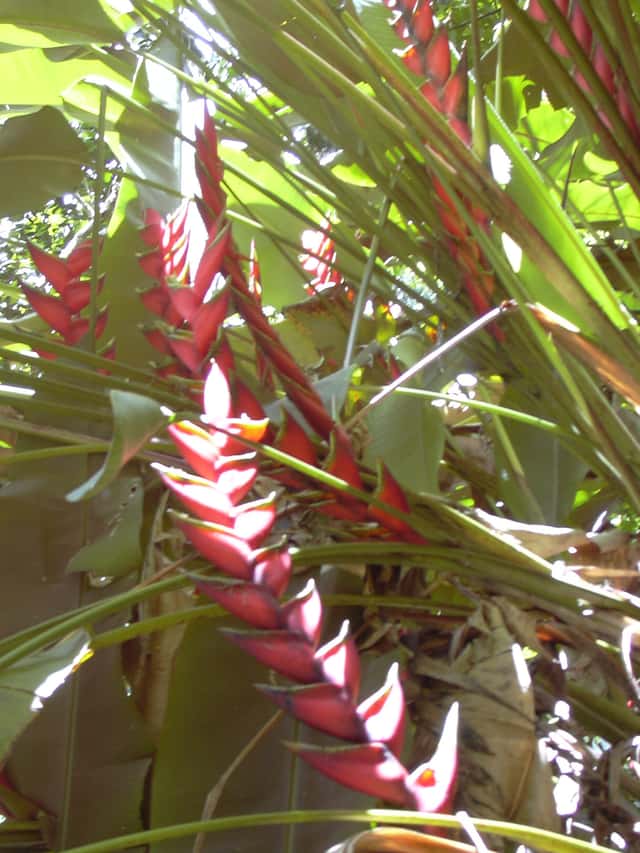
Lobster Claw (Heliconia bihai) is a medium-care plant from the Heliconiaceae family. Heliconia bihai, commonly known as Lobster Claw or Heliconia, is a spectacular tropical plant native to the Caribbean and South America. Its dramatic inflorescences in shades of red, orange, and yellow emerge among broad, glossy leaves, resembling lobster claws. It is highly valued in tropical flora...
Lobster Claw grows up to 3.0m, spread of 150cm, watering every 3 days, 18°C – 35°C, 60–80% humidity. It is not suitable for indoor environments and safe for pets.
Unlike many popular species, Lobster Claw is safe to keep around pets.
How to Care for Lobster Claw?
TLDR: Lobster Claw needs Bright indirect, watering every 3 days, and temperatures between 18-35°C with 60-80% humidity.
How Often Should You Water Lobster Claw?
Water abundantly every 2-3 days, keeping the soil consistently moist but never waterlogged. During periods of intense heat, increase the frequency. Avoid letting the soil dry out completely, as Heliconia needs constant moisture to bloom well.
How Much Light Does Lobster Claw Need?
Prefers full sun to partial shade with bright, filtered sunlight, similar to its natural rainforest habitat. Avoid intense direct afternoon sun, which can burn the leaves. An eastern exposure or light outdoor shade works best.
What Is the Best Soil for Lobster Claw?
Plant in fertile, well-drained soil rich in organic matter. Use a mixture of 60% humus, 30% perlite, and 10% worm castings. Heliconia is sensitive to potassium deficiency and does not tolerate alkaline soils. Maintain a pH between 5.5 and 7.0.
What Pot Should You Use for Lobster Claw?
Use wide and deep pots at least 40 cm in diameter, made of ceramic or clay, which retain moisture. Ensure the pot has adequate drainage holes.
Care Schedule
Fertilize
Every 90 days
Misting
Every 7 days
Repot
Every 730 days
What Is Lobster Claw and Where Does It Come From?
Heliconia bihai, commonly known as Lobster Claw or Heliconia, is a spectacular tropical plant native to the Caribbean and South America. Its dramatic inflorescences in shades of red, orange, and yellow emerge among broad, glossy leaves, resembling lobster claws. It is highly valued in tropical floral arrangements and as an ornamental garden plant.
How to Propagate Lobster Claw?
Rhizome division
Perform the division in early spring for best results. Use sterilized tools to prevent diseases.
- 1 Carefully remove the plant from the soil or pot
- 2 Identify healthy lateral rhizomes with at least one leaf or shoot
- 3 Separate the rhizomes using a clean, sharp knife
- 4 Plant each division in rich soil, with the rhizome only partially buried
- 5 Water well and keep in a shaded spot until rooted
Materials needed:
How Big Does Lobster Claw Grow?
TLDR: Lobster Claw can reach up to 3.0m tall with Medium growth rate.
Max height
3.0m
Spread
1.5m
Growth rate
Medium
Foliage
Evergreen
Plant Uses
Ornamental
Great for decoration
Is your plant showing symptoms?
Click on the symptom to discover possible causes:
What Diseases Commonly Affect Lobster Claw?
TLDR: Lobster Claw is susceptible to 8 known diseases. Monitor regularly for early detection.
Root Rot
Root rot is a serious fungal disease that affects the root system of plants, causing them to decay and die. It is primarily caused by overwatering, poor drainage, or soil-borne fungi such as Pythium, Phytophthora, Rhizoctonia, and Fusarium. The disease thrives in waterlogged conditions where roots are deprived of oxygen, making them susceptible to fungal infection.
Spider Mites
Spider mites are tiny arachnids (less than 1/20 inch long) related to spiders and ticks that feed on plant sap. They thrive in hot, dry conditions and can cause significant damage to ornamental and vegetable plants. During severe infestations, crop losses can reach 14% or higher as these pests disrupt vital plant processes including photosynthesis, carbon dioxide absorption, and transpiration.
Aphids
Aphids are small, soft-bodied, pear-shaped insects (1/16 to 1/8 inch long) that feed by sucking nutrient-rich sap from plants. They reproduce rapidly and can quickly weaken plants, causing distorted growth and transmitting plant viruses. Aphids come in various colors including green, black, red, yellow, brown, and gray. They secrete honeydew, a sticky substance that attracts ants and encourages sooty mold growth.
Bacterial Wilt
Bacterial wilt is a fatal vascular disease caused by bacteria (Erwinia tracheiphila, Ralstonia solanacearum, Xanthomonas spp.) that infects the water-conducting tissue of plants. The bacteria multiply and block the flow of water and nutrients, causing rapid wilting and plant death within 1-2 weeks.
Meaning & Symbolism
A symbol of exotic beauty and tropical paradise; associated with abundance and vibrant energy in Caribbean cultures.
Compare with similar plants
| Attribute | Difficulty | Light | Watering | Pet Safe |
|---|---|---|---|---|
| Dark Fieldcap | Medium | Low light | 2d | ⚠️ |
| Azalea | Medium | Partial shade | 3d | ⚠️ |
| Bougainvillea | Medium | Direct sun | 7d | ⚠️ |
| Wild Lettuce | Medium | Direct sun | 7d | ⚠️ |



