Boraginaceae
Heliotrope (Heliotropium) Care Guide
Heliotropium
Grow heliotrope in full sun to light afternoon shade with consistently moist, organically rich, well-draining soil. It is a moderately demanding plant that dislikes both drought and waterlogging, benefits from regular feeding, and rewards attentive care with abundant, fragrant blooms from summer through the first frost.
Every 3 days
Direct sun
10° - 29°C
40% - 60%
Categories
What is Heliotrope?
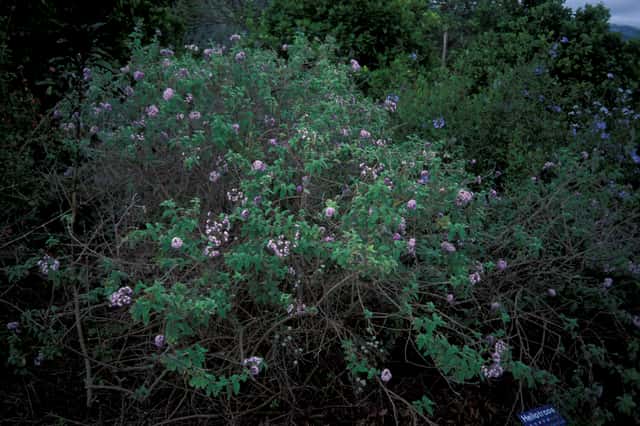
Heliotrope (Heliotropium) is a medium-care plant from the Boraginaceae family. Heliotropium is a large genus of over 300 flowering plant species in the borage family (Boraginaceae), commonly known as heliotropes. The most widely cultivated ornamental species is Heliotropium arborescens (common or Peruvian heliotrope), a tender evergreen shrub grown as an annual or container pl...
Heliotrope grows up to 90cm, spread of 90cm, watering every 3 days, 10°C – 29°C, 40–60% humidity. It is suitable for indoor environments and not safe for pets.
Without precautions, ingestion can cause irritation in pets. Keep out of reach of cats and dogs. Without adequate drainage, root rot can develop within 7 days.
How to Care for Heliotrope?
TLDR: Heliotrope needs Direct sun, watering every 3 days, and temperatures between 10-29°C with 40-60% humidity.
How Often Should You Water Heliotrope?
Keep the soil evenly moist at all times -- water as soon as the top inch begins to dry, and never let the pot sit in standing water, since heliotrope is highly prone to root rot in soggy soil.
How Much Light Does Heliotrope Need?
Provide at least six hours of direct sun daily for the best flowering; in hot climates, give the plant light afternoon shade to protect the delicate blooms from scorching.
What Is the Best Soil for Heliotrope?
Use a nutrient-rich, well-draining potting mix with a slightly acidic to neutral pH (about 6.5 to 7.5); amend garden soil with compost to improve both drainage and fertility.
What Pot Should You Use for Heliotrope?
Choose a terracotta or unglazed ceramic pot with ample drainage holes; the porous material helps excess moisture evaporate, reducing the risk of root rot in this water-sensitive plant.
Care Schedule
Fertilize
Every 14 days
What Is Heliotrope and Where Does It Come From?
Heliotropium is a large genus of over 300 flowering plant species in the borage family (Boraginaceae), commonly known as heliotropes. The most widely cultivated ornamental species is Heliotropium arborescens (common or Peruvian heliotrope), a tender evergreen shrub grown as an annual or container plant for its clusters of small, fragrant purple, lavender, or white flowers with a vanilla-like scent. The name comes from the Greek helios (sun) and tropos (turning), referencing the plant's habit of orienting toward sunlight. All parts of Heliotropium plants contain toxic pyrrolizidine alkaloids and should be handled with care and kept away from children and pets.
How to Propagate Heliotrope?
Stem Cutting
Take cuttings in late summer to overwinter young plants indoors, since heliotrope is frost-tender and rarely survives winter outdoors outside USDA zones 9 to 11.
- 1 Cut a 4-5 inch (10-13 cm) non-flowering stem section just below a leaf node
- 2 Remove the lower leaves and dip the cut end in rooting hormone
- 3 Insert the cutting into a moist mix of sand and perlite
- 4 Keep in bright, indirect light and maintain high humidity until roots form
Materials needed:
Seed Sowing
Germination is slow and uneven, so be patient and keep the growing medium consistently moist.
- 1 Sow seeds indoors 10-12 weeks before the last expected frost
- 2 Press seeds into moist starting mix and keep in complete darkness until germination
- 3 Maintain a temperature of 70-75F (21-24C)
- 4 Transplant seedlings outdoors after all danger of frost has passed
Materials needed:
How Big Does Heliotrope Grow?
TLDR: Heliotrope can reach up to 90cm tall with Medium growth rate.
Max height
90cm
Spread
90cm
Growth rate
Medium
Foliage
Evergreen
Warning: Toxic Plant
This plant can be toxic if ingested. Keep out of reach of:
Plant Uses
Ornamental
Great for decoration
Aromatic
Pleasant fragrance
Is your plant showing symptoms?
Click on the symptom to discover possible causes:
What Diseases Commonly Affect Heliotrope?
TLDR: Heliotrope is susceptible to 8 known diseases. Monitor regularly for early detection.
Aphids
Aphids are small, soft-bodied, pear-shaped insects (1/16 to 1/8 inch long) that feed by sucking nutrient-rich sap from plants. They reproduce rapidly and can quickly weaken plants, causing distorted growth and transmitting plant viruses. Aphids come in various colors including green, black, red, yellow, brown, and gray. They secrete honeydew, a sticky substance that attracts ants and encourages sooty mold growth.
Mealybugs
Mealybugs are small, soft-bodied insects covered with a white, waxy, cottony material. They are common pests of houseplants and outdoor plants in mild climates. These sap-sucking insects feed on plant tissue, causing damage, stunted growth, and can lead to plant death if left untreated. They produce sticky honeydew which attracts sooty mold.
Spider Mites
Spider mites are tiny arachnids (less than 1/20 inch long) related to spiders and ticks that feed on plant sap. They thrive in hot, dry conditions and can cause significant damage to ornamental and vegetable plants. During severe infestations, crop losses can reach 14% or higher as these pests disrupt vital plant processes including photosynthesis, carbon dioxide absorption, and transpiration.
Whiteflies
Whiteflies are small, soft-bodied, winged insects closely related to aphids and mealybugs. They are moth-like in appearance, about 1/16 inch long, triangular in shape, and gray-white in color. These sap-sucking pests feed on plant tissue, causing yellowing, stunted growth, and wilting. They also excrete honeydew, which attracts ants and promotes sooty mold growth. Whiteflies can transmit serious plant viruses.
Meaning & Symbolism
In Victorian flower language, heliotrope represents devotion, eternal love, and faithfulness, a meaning drawn from the way its flower clusters turn to follow the sun throughout the day.
Fun Facts
The name heliotrope comes from the Greek words for sun (helios) and turn (tropos), describing how the flower clusters track the sun.
Heliotrope was a favorite fragrance plant of Victorian gardeners, who nicknamed it cherry pie for its sweet, vanilla-like scent.
Despite its beauty, the entire plant contains toxic pyrrolizidine alkaloids and has been linked to serious liver disease outbreaks when accidentally consumed in contaminated food or herbal remedies.
Frequently asked questions
Is heliotrope toxic to pets and humans?
How often should I water heliotrope?
Why is my heliotrope not blooming?
Can heliotrope survive winter outdoors?
Compare with similar plants
| Attribute | Difficulty | Light | Watering | Pet Safe |
|---|---|---|---|---|
| Dark Fieldcap | Medium | Low light | 2d | ⚠️ |
| Azalea | Medium | Partial shade | 3d | ⚠️ |
| Bougainvillea | Medium | Direct sun | 7d | ⚠️ |
| Wild Lettuce | Medium | Direct sun | 7d | ⚠️ |
Choose & Compare
Sources & References
- NC State Extension Gardener Plant Toolbox - Heliotropium arborescens
- How to Plant and Grow Heliotropes - Gardeners Path
- A Guide to Growing Heliotrope - Garden Design
- Heliotropium; a genus rich in pyrrolizidine alkaloids: systematic review
- Heliotropo: Ficha y datos clave de H. arborescens
- Pyrrolizidine Alkaloidosis in Animals - Merck Veterinary Manual



