Lythraceae
Henna: Aromatic Plant
Lawsonia inermis
Henna is a hardy plant that prefers full sun and well-drained soils. Once established, it tolerates drought well and requires infrequent watering. It thrives in warm climates (13–33 °C) and cannot withstand frost. It is ideal for Mediterranean or tropical gardens and can be grown in pots in bright indoor spaces. It needs periodic pruning to maintain its shape and stimulate dense foliage.
Every 12 days
Direct sun
13° - 33°C
30% - 60%
Categories
What is Henna?
Henna (Lawsonia inermis) is a easy-care plant from the Lythraceae family. Henna (Lawsonia inermis) is a fast-growing evergreen shrub native to North Africa, the Middle East, and South Asia. It can reach up to 7 meters in height in its natural habitat, with dense branches that develop thorns in mature specimens. Its small flowers, with a scent similar to tea rose, bloom in...
Henna grows up to 7.0m, spread of 700cm, watering every 12 days, 13°C – 33°C, 30–60% humidity. It is suitable for indoor environments and not safe for pets.
Unlike many tropical plants, Henna tolerates watering mistakes. Best for beginners. Without precautions, ingestion can cause irritation in pets. Keep out of reach of cats and dogs. Without adequate drainage, root rot can develop within 24 days.
How to Care for Henna?
TLDR: Henna needs Direct sun, watering every 12 days, and temperatures between 13-33°C with 30-60% humidity.
How Often Should You Water Henna?
Water every 10–14 days in spring and summer, allowing the substrate to dry out almost completely between waterings. In winter, reduce the frequency to once every 3–4 weeks. Henna is very drought-tolerant once established; overwatering can cause root rot. Always ensure the pot or soil has good drainage.
How Much Light Does Henna Need?
It needs full sun, at least 6–8 hours of direct sunlight daily. Indoors, place it next to the brightest south- or west-oriented window. A lack of direct light causes leggy growth, small leaves, and low production of henna pigment. It does not tolerate shade.
What Is the Best Soil for Henna?
Use a substrate with excellent drainage: mix garden soil with coarse sand or perlite (1:1 ratio). It tolerates sandy, loamy, and even clay soils as long as they drain well. The optimal pH range is 5.0 to 7.0. Avoid compact soils or those with high moisture retention.
What Pot Should You Use for Henna?
Use a terracotta or clay pot, as these materials allow for breathability and prevent waterlogging. Ensure it has at least one or two large drainage holes. In areas with cold winters, a pot allows the plant to be easily moved indoors.
Care Schedule
Fertilize
Every 30 days
Repot
Every 730 days
What Is Henna and Where Does It Come From?
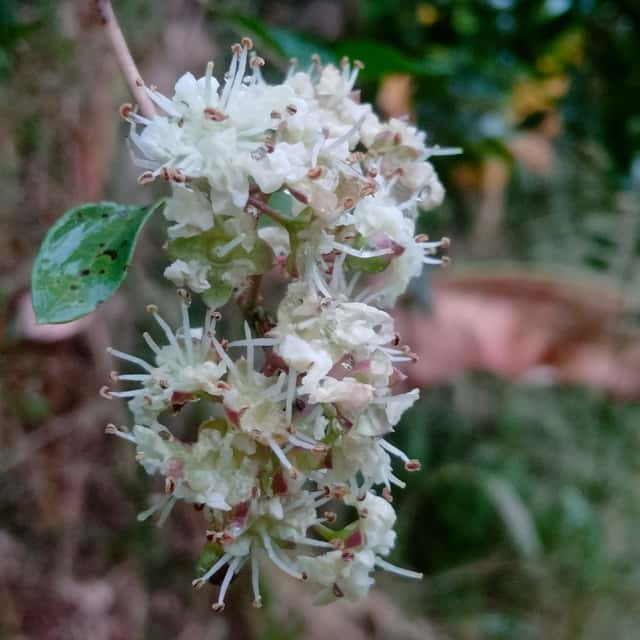
Henna (Lawsonia inermis) is a fast-growing evergreen shrub native to North Africa, the Middle East, and South Asia. It can reach up to 7 meters in height in its natural habitat, with dense branches that develop thorns in mature specimens. Its small flowers, with a scent similar to tea rose, bloom in spring and summer in shades of white, cream, and pink. It is world-renowned for the reddish dye contained in its leaves, lawsone, used for millennia to decorate skin, hair, and nails. In addition to its enormous cosmetic and cultural value, the plant possesses well-documented medicinal properties. It thrives in warm climates, well-drained soils, and full sun, and is highly drought-tolerant once established.
How to Propagate Henna?
- 1 Soak seeds in warm water for 3–7 days to soften the coat.
- 2 Sow in moist, well-drained substrate at a temperature of 25 °C.
- 3 Keep in partial shade until germination (3–4 weeks).
- 4 Transplant when they reach 10 cm in height.
- 1 Take semi-hardwood cuttings of 15–20 cm with 6–8 nodes in spring or summer.
- 2 Remove lower leaves and apply rooting hormone.
- 3 Plant in moist sand and perlite substrate.
- 4 Maintain at 25–28 °C with good indirect lighting.
- 5 Transplant after 4–6 weeks when roots appear.
How Big Does Henna Grow?
TLDR: Henna can reach up to 7.0m tall with Fast growth rate.
Max height
7.0m
Spread
7.0m
Growth rate
Fast
Foliage
Evergreen
Warning: Toxic Plant
This plant can be toxic if ingested. Keep out of reach of:
Plant Uses
Ornamental
Great for decoration
Medicinal
Medicinal properties
Aromatic
Pleasant fragrance
Medicinal Uses
- Treatment of skin infections, wounds, and burns due to its antibacterial and antifungal properties
- Traditional use against amoebic dysentery and diarrhea
- Topical application to treat scalp conditions, dandruff, and hair loss
- Anti-inflammatory properties used in the treatment of arthritis and joint pain
- Use against mouth ulcers and gum disease in traditional medicine
Is your plant showing symptoms?
Click on the symptom to discover possible causes:
What Diseases Commonly Affect Henna?
TLDR: Henna is susceptible to 8 known diseases. Monitor regularly for early detection.
Powdery Mildew
Powdery mildew is a common fungal disease caused by various fungi species including Erysiphe, Podosphaera, Oïdium, and Leveillula. It affects over 10,000 plant species worldwide. The disease thrives in warm, dry climates with high humidity and appears as a distinctive white powdery coating on plant surfaces.
Leaf Spot
Leaf spot is a common fungal disease caused by various pathogens including Alternaria, Ascochyta, Colletotrichum, Septoria, and Venturia. It primarily affects leaves, causing discolored spots that can lead to premature leaf drop if left untreated.
Root Rot
Root rot is a serious fungal disease that affects the root system of plants, causing them to decay and die. It is primarily caused by overwatering, poor drainage, or soil-borne fungi such as Pythium, Phytophthora, Rhizoctonia, and Fusarium. The disease thrives in waterlogged conditions where roots are deprived of oxygen, making them susceptible to fungal infection.
Spider Mites
Spider mites are tiny arachnids (less than 1/20 inch long) related to spiders and ticks that feed on plant sap. They thrive in hot, dry conditions and can cause significant damage to ornamental and vegetable plants. During severe infestations, crop losses can reach 14% or higher as these pests disrupt vital plant processes including photosynthesis, carbon dioxide absorption, and transpiration.
Meaning & Symbolism
Henna is an ancient symbol of good luck, fertility, love, and protection in the cultures of South Asia, the Middle East, and North Africa. Its designs on the skin, known as mehndi, are central to weddings, festivals, and rites of passage, representing joy, blessing, and spiritual connection.
Compare with similar plants
| Attribute | Difficulty | Light | Watering | Pet Safe |
|---|---|---|---|---|
| Field Maple | Easy | Bright indirect | 14d | ✓ |
| Silver Birch | Easy | Direct sun | 14d | ✓ |
| Rose Campion | Easy | Direct sun | 10d | ✓ |
| Cushion Bush | Easy | Direct sun | 14d | ✓ |