Amaryllidaceae
Hippeastrum (Amaryllis Genus): The Ultimate Care Guide
Hippeastrum
Plant bulb in well-draining mix with the neck exposed above soil. Water moderately every 7-10 days during active growth; withhold water almost completely during autumn dormancy. Provide bright light with some direct sun for best flowering. Keep bulbs dry and cool (around 13°C/55°F) during the 8-10 week rest period.
Every 8 days
Bright indirect
10° - 35°C
40% - 70%
Categories
What is Amaryllis / Hippeastrum (genus)?
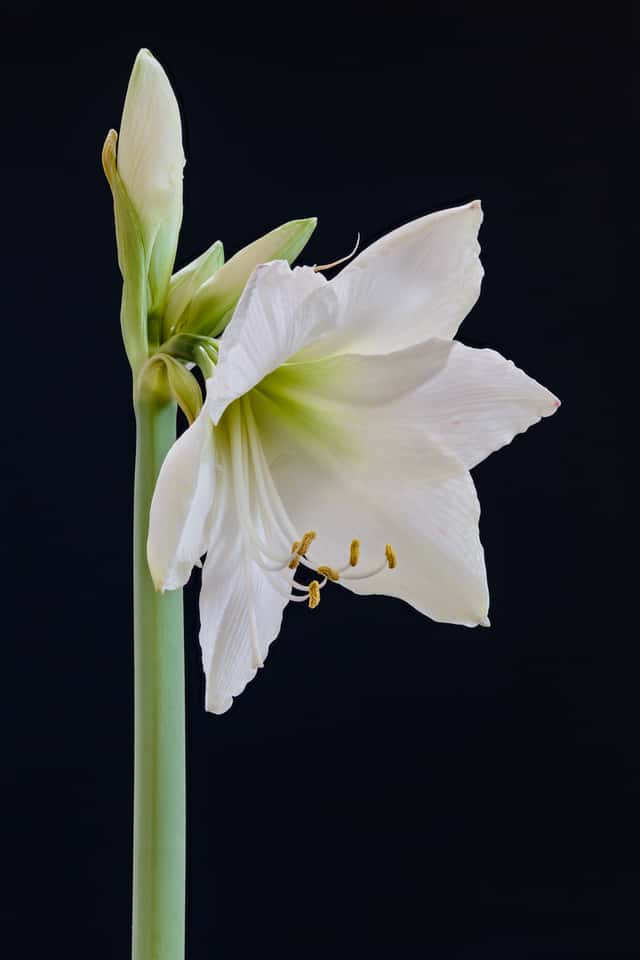
Amaryllis / Hippeastrum (genus) (Hippeastrum) is a easy-care plant from the Amaryllidaceae family. Hippeastrum is a genus of large, bulbous perennial plants in the family Amaryllidaceae, native to tropical and subtropical regions of South America. Commonly — though inaccurately — known as Amaryllis, these plants produce spectacular trumpet-shaped flowers in shades of red, pink, white, orange, and...
Amaryllis / Hippeastrum (genus) grows up to 60cm, spread of 45cm, watering every 8 days, 10°C – 35°C, 40–70% humidity. It is suitable for indoor environments and not safe for pets.
Unlike many tropical plants, Amaryllis / Hippeastrum (genus) tolerates watering mistakes. Best for beginners. Without precautions, ingestion can cause irritation in pets. Keep out of reach of cats and dogs. Without adequate drainage, root rot can develop within 16 days.
How to Care for Amaryllis / Hippeastrum (genus)?
TLDR: Amaryllis / Hippeastrum (genus) needs Bright indirect, watering every 8 days, and temperatures between 10-35°C with 40-70% humidity.
How Often Should You Water Amaryllis / Hippeastrum (genus)?
Water every 7-10 days during active growth when the top inch of soil is dry. After flowering, continue watering until leaves yellow in autumn, then stop completely. Resume watering when new growth emerges from the bulb tip.
How Much Light Does Amaryllis / Hippeastrum (genus) Need?
Place in a bright spot with at least 4-6 hours of direct or very bright indirect sunlight. A south- or west-facing windowsill is ideal. Rotate the pot a quarter turn every few days to keep the stem growing straight.
What Is the Best Soil for Amaryllis / Hippeastrum (genus)?
Use a rich but well-draining potting mix such as a 2:1 blend of potting soil and perlite or coarse sand. Slightly acidic to neutral pH (6.0–6.5). Always use pots with drainage holes to prevent bulb rot.
What Pot Should You Use for Amaryllis / Hippeastrum (genus)?
Use a terracotta or ceramic pot only slightly larger than the bulb (2-3 inches clearance). Heavy pots prevent toppling during bloom. Ensure excellent drainage.
Care Schedule
Fertilize
Every 30 days
Repot
Every 1095 days
What Is Amaryllis / Hippeastrum (genus) and Where Does It Come From?
Hippeastrum is a genus of large, bulbous perennial plants in the family Amaryllidaceae, native to tropical and subtropical regions of South America. Commonly — though inaccurately — known as Amaryllis, these plants produce spectacular trumpet-shaped flowers in shades of red, pink, white, orange, and salmon, typically blooming in winter and spring. The genus comprises over 116 species and hundreds of hybrid cultivars. All parts, especially the bulb, contain lycorine alkaloids making them toxic to pets and humans.
How to Propagate Amaryllis / Hippeastrum (genus)?
Offset division
Offsets should be at least one-third the size of the mother bulb for faster blooming. Use clean, sterilized tools to prevent disease.
- 1 Remove offsets from the mother bulb after dormancy
- 2 Plant in well-draining mix with the neck slightly above soil
- 3 Keep lightly moist in a bright location
- 4 Wait 2-3 years for first flowering
Materials needed:
Seed propagation
Seeds produce genetically different plants. Expect 3-5 years before first bloom.
- 1 Collect fresh seeds after cross-pollination
- 2 Sow in moist, well-draining seed mix
- 3 Maintain 20-25°C and indirect light
- 4 Transplant seedlings after 3-4 months
Materials needed:
How Big Does Amaryllis / Hippeastrum (genus) Grow?
TLDR: Amaryllis / Hippeastrum (genus) can reach up to 60cm tall with Medium growth rate.
Max height
60cm
Spread
45cm
Growth rate
Medium
Foliage
Deciduous
Warning: Toxic Plant
This plant can be toxic if ingested. Keep out of reach of:
Plant Uses
Ornamental
Great for decoration
Is your plant showing symptoms?
Click on the symptom to discover possible causes:
What Diseases Commonly Affect Amaryllis / Hippeastrum (genus)?
TLDR: Amaryllis / Hippeastrum (genus) is susceptible to 6 known diseases. Monitor regularly for early detection.
Leaf Spot
Leaf spot is a common fungal disease caused by various pathogens including Alternaria, Ascochyta, Colletotrichum, Septoria, and Venturia. It primarily affects leaves, causing discolored spots that can lead to premature leaf drop if left untreated.
Mosaic Virus
Mosaic virus is a group of plant viruses that cause mottled, patchy patterns on leaves and can affect a wide variety of plants. The virus creates characteristic yellow, white, and green mosaic patterns, often accompanied by stunted growth and deformed plant parts. This highly contagious disease spreads rapidly through insect vectors and contaminated tools.
Root Rot
Root rot is a serious fungal disease that affects the root system of plants, causing them to decay and die. It is primarily caused by overwatering, poor drainage, or soil-borne fungi such as Pythium, Phytophthora, Rhizoctonia, and Fusarium. The disease thrives in waterlogged conditions where roots are deprived of oxygen, making them susceptible to fungal infection.
Aphids
Aphids are small, soft-bodied, pear-shaped insects (1/16 to 1/8 inch long) that feed by sucking nutrient-rich sap from plants. They reproduce rapidly and can quickly weaken plants, causing distorted growth and transmitting plant viruses. Aphids come in various colors including green, black, red, yellow, brown, and gray. They secrete honeydew, a sticky substance that attracts ants and encourages sooty mold growth.
Meaning & Symbolism
Symbol of pride, radiance, and determination. In many cultures, Hippeastrum is associated with Christmas celebrations, festivity, and the renewal of the new year.
Fun Facts
Despite being sold everywhere as Amaryllis, true Amaryllis is a different plant native to South Africa — Hippeastrum is from South America.
Hippeastrum bulbs can live and rebloom for decades with proper dormancy care.
The genus contains over 116 species and more than 600 named cultivars.
A single bulb can produce up to 4 flower stalks, each carrying 2-6 massive blooms.
Frequently asked questions
Is Hippeastrum (Amaryllis) toxic to cats and dogs?
How do I get my Hippeastrum to rebloom every year?
Can Hippeastrum grow indoors?
How often should I water Hippeastrum?
What is the difference between Hippeastrum and true Amaryllis?
Compare with similar plants
| Attribute | Difficulty | Light | Watering | Pet Safe |
|---|---|---|---|---|
| Field Maple | Easy | Bright indirect | 14d | ✓ |
| Silver Birch | Easy | Direct sun | 14d | ✓ |
| Cushion Bush | Easy | Direct sun | 14d | ✓ |
| Peruvian peppertree | Easy | Direct sun | 14d | ⚠️ |