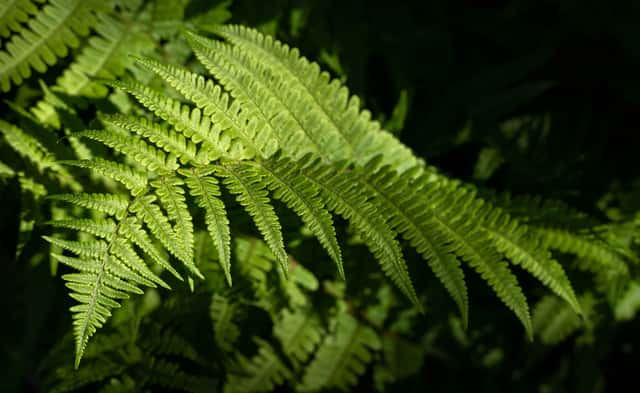
Athyriaceae
Lady Fern: Ground Cover Plant
Athyrium
Grow in part to full shade with moist, organically rich, slightly acidic soil. Keep the soil evenly damp, never soggy or bone dry, and provide extra humidity in dry indoor air. Deciduous fronds die back in autumn and regrow in spring; remove old fronds as they brown.
Every 7 days
Partial shade
10° - 24°C
50% - 70%
Categories
What is Lady Fern?
Lady Fern (Athyrium) is a easy-care plant from the Athyriaceae family. Athyrium is a genus of around 180 deciduous ferns, best known through the widespread lady fern (A. filix-femina) and ornamental cultivars like the Japanese painted fern. Plants form graceful clumps of finely divided, lace-like fronds from a creeping or erect rhizome, thriving in shaded woodland cond...
Lady Fern grows up to 90cm, spread of 60cm, watering every 7 days, 10°C – 24°C, 50–70% humidity. It is suitable for indoor environments and safe for pets.
Unlike many tropical plants, Lady Fern tolerates watering mistakes. Best for beginners. Unlike many popular species, Lady Fern is safe to keep around pets. Without adequate drainage, root rot can develop within 14 days.
How to Care for Lady Fern?
TLDR: Lady Fern needs Partial shade, watering every 7 days, and temperatures between 10-24°C with 50-70% humidity.
How Often Should You Water Lady Fern?
Water deeply about once a week, checking that the top of the soil never fully dries out; increase frequency in hot or dry spells but ensure the pot or bed drains well to avoid waterlogging.
How Much Light Does Lady Fern Need?
Provide dappled or partial shade. Direct, strong sun scorches the thin fronds, but deep shade combined with moist soil is well tolerated.
What Is the Best Soil for Lady Fern?
Use a moisture-retentive, well-draining mix rich in organic matter (leaf mould or compost), with a slightly acidic to neutral pH.
What Pot Should You Use for Lady Fern?
A wide, shallow container with good drainage holes suits the shallow, spreading rhizome; unglazed terracotta helps prevent waterlogging.
Care Schedule
Fertilize
Every 30 days
Misting
Every 3 days
Rotate
Every 14 days
Repot
Every 730 days
What Is Lady Fern and Where Does It Come From?
Athyrium is a genus of around 180 deciduous ferns, best known through the widespread lady fern (A. filix-femina) and ornamental cultivars like the Japanese painted fern. Plants form graceful clumps of finely divided, lace-like fronds from a creeping or erect rhizome, thriving in shaded woodland conditions with consistently moist, humus-rich soil. They are generally trouble-free, cold-hardy, and popular for shade gardens, borders and pond margins.
How to Propagate Lady Fern?
Division
- Divide established clumps in early spring before new growth emerges
- Ensure each division keeps healthy roots and at least one growth point
- 1 Lift the clump
Carefully dig up the whole plant in early spring, keeping roots intact.
- 2 Split the rhizome
Use a clean knife or spade to divide the rhizome into sections with roots and fronds.
- 3 Replant promptly
Replant divisions immediately in moist, shaded soil and water well.
Materials needed:
Spore propagation
- Collect ripe spores from the underside of mature fronds
- Requires patience — germination and maturity can take a year or more
- 1 Collect spores
Cut a frond with brown spore cases and let it dry over paper to release spores.
- 2 Sow on sterile medium
Sprinkle spores onto sterile moist peat or seed compost, do not cover.
- 3 Maintain humidity
Keep covered and humid until prothalli and young ferns appear.
Materials needed:
How Big Does Lady Fern Grow?
TLDR: Lady Fern can reach up to 90cm tall with Medium growth rate.
Max height
90cm
Spread
60cm
Growth rate
Medium
Foliage
Deciduous
Plant Uses
Ornamental
Great for decoration
Ground Cover
Soil coverage
Is your plant showing symptoms?
Click on the symptom to discover possible causes:
What Diseases Commonly Affect Lady Fern?
TLDR: Lady Fern is susceptible to 4 known diseases. Monitor regularly for early detection.
Slugs and Snails
Slugs and snails are mollusks that feed on plant tissue, causing irregular holes in leaves and damage to young seedlings. They are most active at night and in moist conditions, leaving characteristic silvery slime trails. These pests can quickly devastate gardens, especially during wet seasons.
Aphids
Aphids are small, soft-bodied, pear-shaped insects (1/16 to 1/8 inch long) that feed by sucking nutrient-rich sap from plants. They reproduce rapidly and can quickly weaken plants, causing distorted growth and transmitting plant viruses. Aphids come in various colors including green, black, red, yellow, brown, and gray. They secrete honeydew, a sticky substance that attracts ants and encourages sooty mold growth.
Root Rot
Root rot is a serious fungal disease that affects the root system of plants, causing them to decay and die. It is primarily caused by overwatering, poor drainage, or soil-borne fungi such as Pythium, Phytophthora, Rhizoctonia, and Fusarium. The disease thrives in waterlogged conditions where roots are deprived of oxygen, making them susceptible to fungal infection.
Scale Insects
Scale insects are small sap-sucking pests that appear as brown, shell-like bumps on plant stems and leaves. There are over 25 species, divided into armored (hard) and unarmored (soft) scales. They feed by piercing plant tissue and extracting sap, which weakens the plant and can lead to yellowing, stunted growth, and even death if left untreated. They also excrete honeydew, which attracts ants and promotes sooty mold growth.
Meaning & Symbolism
The finely cut, unfurling fronds have long symbolized humility, sincerity and new beginnings in folklore and Victorian flower language.
Compare with similar plants
| Attribute | Difficulty | Light | Watering | Pet Safe |
|---|---|---|---|---|
| Field Maple | Easy | Bright indirect | 14d | ✓ |
| Silver Birch | Easy | Direct sun | 14d | ✓ |
| Cushion Bush | Easy | Direct sun | 14d | ✓ |
| Peruvian peppertree | Easy | Direct sun | 14d | ⚠️ |





