Apocynaceae
Honeyvine Milkweed: Full Sun Plant
Cynanchum laeve
A tough, fast-growing vine that thrives with minimal care once established. Give it full sun to partial shade in moist, well-draining soil (pH 6.0–7.0). Provide a sturdy trellis, water weekly in the first season, then only during drought once the deep taproot establishes. Hardy in USDA zones 4–9, it dies back in winter and regrows vigorously in spring. Remove green seed pods to control its aggressive self-seeding.
Every 7 days
Direct sun
-34° - 35°C
30% - 70%
Categories
What is Honeyvine Milkweed?
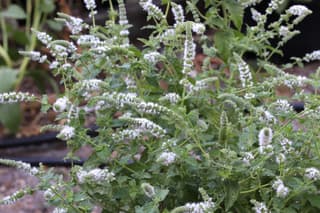
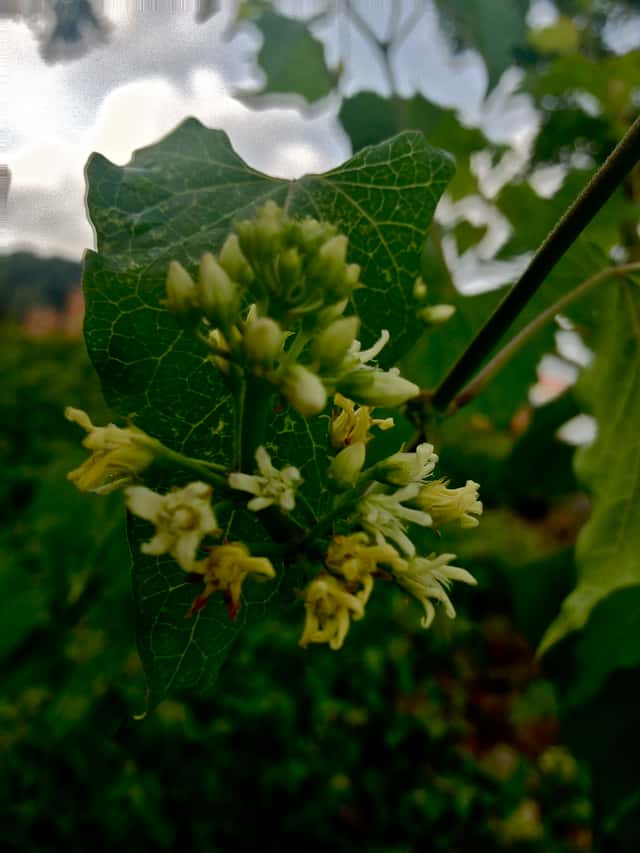
Honeyvine Milkweed (Cynanchum laeve) is a easy-care plant from the Apocynaceae family. Cynanchum laeve (honeyvine milkweed) is a vigorous, twining perennial vine in the dogbane family (Apocynaceae), native to central and eastern North America. It bears opposite, heart-shaped leaves and a deep fleshy taproot, climbing 3–6 m or more on any available support. From June to September it pr...
Honeyvine Milkweed grows up to 6.0m, spread of 90cm, watering every 7 days, -34°C – 35°C, 30–70% humidity. It is not suitable for indoor environments and not safe for pets.
Unlike many tropical plants, Honeyvine Milkweed tolerates watering mistakes. Best for beginners. Without precautions, ingestion can cause irritation in pets. Keep out of reach of cats and dogs.
How to Care for Honeyvine Milkweed?
TLDR: Honeyvine Milkweed needs Direct sun, watering every 7 days, and temperatures between -34-35°C with 30-70% humidity.
How Often Should You Water Honeyvine Milkweed?
Water deeply once a week during the growing season, letting the soil dry slightly between waterings; established plants are drought-tolerant and may need water only every 2–3 weeks. Avoid wetting foliage to reduce fungal leaf spot.
How Much Light Does Honeyvine Milkweed Need?
Best in full sun (6+ hours daily); tolerates partial shade with at least 4 hours of direct sun. Low light reduces flowering and produces weak, leggy stems.
What Is the Best Soil for Honeyvine Milkweed?
Plant in moist, fertile, well-draining soil with a pH of 6.0–7.0. Amend heavy clay with compost and coarse sand; the plant adapts widely but will not tolerate waterlogging.
What Pot Should You Use for Honeyvine Milkweed?
Use a deep clay or ceramic pot at least 30–40 cm in diameter with drainage holes, paired with a trellis or stakes to support its vigorous climbing habit.
Care Schedule
Fertilize
Every 30 days
What Is Honeyvine Milkweed and Where Does It Come From?
Cynanchum laeve (honeyvine milkweed) is a vigorous, twining perennial vine in the dogbane family (Apocynaceae), native to central and eastern North America. It bears opposite, heart-shaped leaves and a deep fleshy taproot, climbing 3–6 m or more on any available support. From June to September it produces dense clusters of small, fragrant, creamy-white star-shaped flowers that attract bees and butterflies, followed by smooth teardrop-shaped seed pods. A larval host for monarch butterflies, it is valued in wildlife gardens yet considered an aggressive weed in agricultural settings due to its deep roots and prolific wind-borne seed.
How Big Does Honeyvine Milkweed Grow?
TLDR: Honeyvine Milkweed can reach up to 6.0m tall with Fast growth rate.
Max height
6.0m
Spread
90cm
Growth rate
Fast
Foliage
Deciduous
Warning: Toxic Plant
This plant can be toxic if ingested. Keep out of reach of:
Plant Uses
Ornamental
Great for decoration
Medicinal
Medicinal properties
Medicinal Uses
- Traditional decoction used as a galactagogue to promote lactation (unverified)
- Latex sap applied topically to remove warts
- Latex used to soothe toothache pain
- Folk use of latex on snakebites
Is your plant showing symptoms?
Click on the symptom to discover possible causes:
What Diseases Commonly Affect Honeyvine Milkweed?
TLDR: Honeyvine Milkweed is susceptible to 4 known diseases. Monitor regularly for early detection.
Aphids
Aphids are small, soft-bodied, pear-shaped insects (1/16 to 1/8 inch long) that feed by sucking nutrient-rich sap from plants. They reproduce rapidly and can quickly weaken plants, causing distorted growth and transmitting plant viruses. Aphids come in various colors including green, black, red, yellow, brown, and gray. They secrete honeydew, a sticky substance that attracts ants and encourages sooty mold growth.
Spider Mites
Spider mites are tiny arachnids (less than 1/20 inch long) related to spiders and ticks that feed on plant sap. They thrive in hot, dry conditions and can cause significant damage to ornamental and vegetable plants. During severe infestations, crop losses can reach 14% or higher as these pests disrupt vital plant processes including photosynthesis, carbon dioxide absorption, and transpiration.
Leaf Spot
Leaf spot is a common fungal disease caused by various pathogens including Alternaria, Ascochyta, Colletotrichum, Septoria, and Venturia. It primarily affects leaves, causing discolored spots that can lead to premature leaf drop if left untreated.
Root Rot
Root rot is a serious fungal disease that affects the root system of plants, causing them to decay and die. It is primarily caused by overwatering, poor drainage, or soil-borne fungi such as Pythium, Phytophthora, Rhizoctonia, and Fusarium. The disease thrives in waterlogged conditions where roots are deprived of oxygen, making them susceptible to fungal infection.
Meaning & Symbolism
In folk symbolism honeyvine is linked to a "cure for heartache," reflecting its traditional medicinal use, and to the transformation and resilience of the monarch butterflies it hosts.
Compare with similar plants
| Attribute | Difficulty | Light | Watering | Pet Safe |
|---|---|---|---|---|
| Field Maple | Easy | Bright indirect | 14d | ✓ |
| Silver Birch | Easy | Direct sun | 14d | ✓ |
| Cushion Bush | Easy | Direct sun | 14d | ✓ |
| Peruvian peppertree | Easy | Direct sun | 14d | ⚠️ |