Polygonaceae
Smartweed: Edible Plant
Persicaria
A robust and easy-to-grow plant. It prefers full sun to partial shade and moist, fertile, well-drained soil. Water every 5 days during the growing season, avoiding waterlogging. It tolerates severe frosts (down to -20 °C) and recovers in the spring. Fertilize every 30 days with a balanced fertilizer. It can become invasive—control its spread by dividing clumps every 2 years.
Every 5 days
Bright indirect
-20° - 30°C
40% - 70%
Categories
What is Smartweed?
Smartweed (Persicaria) is a easy-care plant from the Polygonaceae family. The genus Persicaria (Polygonaceae family) includes over 130 species of annual and perennial herbs, commonly known as smartweed, water pepper, or knotweed. Adapted to temperate and tropical climates, they thrive in moist soils, riverbanks, marshy areas, and field edges. The stems are jointed with pr...
Smartweed grows up to 1.2m, spread of 100cm, watering every 5 days, -20°C – 30°C, 40–70% humidity. It is not suitable for indoor environments and safe for pets.
Unlike many tropical plants, Smartweed tolerates watering mistakes. Best for beginners. Unlike many popular species, Smartweed is safe to keep around pets.
How to Care for Smartweed?
TLDR: Smartweed needs Bright indirect, watering every 5 days, and temperatures between -20-30°C with 40-70% humidity.
How Often Should You Water Smartweed?
Keep the soil consistently moist, watering every 5 days or whenever the top 3 cm (1 inch) of soil is dry. Avoid prolonged waterlogging, which promotes root rot. During periods of intense heat, increase the watering frequency.
How Much Light Does Smartweed Need?
Full sun (6+ hours daily) provides more abundant flowering and, in varieties with colorful foliage, intensifies the patterns. In hot climates, it tolerates and even appreciates partial shade during the hottest part of the day.
What Is the Best Soil for Smartweed?
Prefers sandy-clay soil (clay loam), rich in organic matter and with good moisture retention. It accepts soil pH from 5.5 to 7.5. Incorporate organic compost when planting to improve structure and fertility.
What Pot Should You Use for Smartweed?
Not suitable for cultivation in small pots due to its vigorous growth. If grown in a container, use large pots (minimum 30 cm in diameter) with rich, moist substrate, ensuring good drainage.
Care Schedule
Fertilize
Every 30 days
What Is Smartweed and Where Does It Come From?
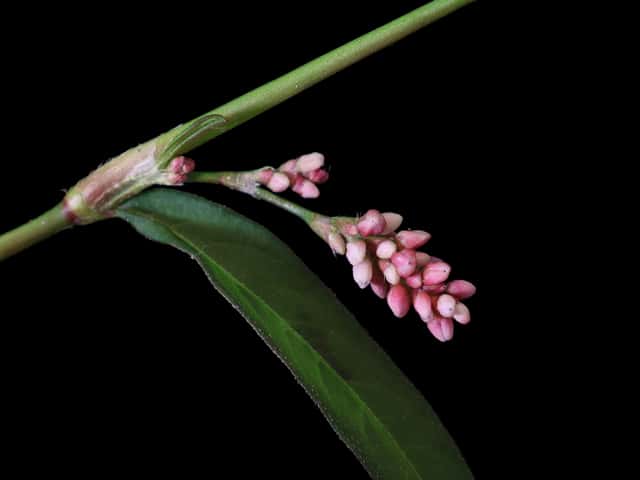
The genus Persicaria (Polygonaceae family) includes over 130 species of annual and perennial herbs, commonly known as smartweed, water pepper, or knotweed. Adapted to temperate and tropical climates, they thrive in moist soils, riverbanks, marshy areas, and field edges. The stems are jointed with prominent nodes; the lanceolate leaves often feature a characteristic dark blotch. The dense spike-like inflorescences—colored pink, white, red, or crimson—bloom from summer to autumn, attracting bees, butterflies, and other pollinators. Many species have traditional medicinal and culinary uses, in addition to high ornamental value in border gardens, groundcovers, and naturalized gardens.
How to Propagate Smartweed?
How Big Does Smartweed Grow?
TLDR: Smartweed can reach up to 1.2m tall with Fast growth rate.
Max height
1.2m
Spread
1.0m
Growth rate
Fast
Foliage
Deciduous
Plant Uses
Ornamental
Great for decoration
Medicinal
Medicinal properties
Edible
Can be consumed
Medicinal Uses
- Leaves with astringent and diuretic properties
- Traditional use for stomach pain and rheumatism
- Topical application for relief of skin irritations (e.g., poison ivy)
- Vermifuge properties reported in folk medicine
Culinary Uses
- Young leaves and shoots are edible raw or cooked
- Used as a seasoning in some Asian culinary traditions (peppery flavor)
- Seeds are potentially edible, though small and difficult to process
Is your plant showing symptoms?
Click on the symptom to discover possible causes:
What Diseases Commonly Affect Smartweed?
TLDR: Smartweed is susceptible to 7 known diseases. Monitor regularly for early detection.
Rust
Rust is a common fungal disease caused by fungi in the order Pucciniales that affects a wide variety of plants. The disease gets its name from the characteristic orange, yellow, or reddish-brown pustules that appear on leaves, resembling metal rust. This obligate fungal parasite requires living plants to survive and can cause significant economic losses in agricultural crops.
Powdery Mildew
Powdery mildew is a common fungal disease caused by various fungi species including Erysiphe, Podosphaera, Oïdium, and Leveillula. It affects over 10,000 plant species worldwide. The disease thrives in warm, dry climates with high humidity and appears as a distinctive white powdery coating on plant surfaces.
Aphids
Aphids are small, soft-bodied, pear-shaped insects (1/16 to 1/8 inch long) that feed by sucking nutrient-rich sap from plants. They reproduce rapidly and can quickly weaken plants, causing distorted growth and transmitting plant viruses. Aphids come in various colors including green, black, red, yellow, brown, and gray. They secrete honeydew, a sticky substance that attracts ants and encourages sooty mold growth.
Leaf Spot
Leaf spot is a common fungal disease caused by various pathogens including Alternaria, Ascochyta, Colletotrichum, Septoria, and Venturia. It primarily affects leaves, causing discolored spots that can lead to premature leaf drop if left untreated.
Compare with similar plants
| Attribute | Difficulty | Light | Watering | Pet Safe |
|---|---|---|---|---|
| Field Maple | Easy | Bright indirect | 14d | ✓ |
| Silver Birch | Easy | Direct sun | 14d | ✓ |
| Cushion Bush | Easy | Direct sun | 14d | ✓ |
| Peruvian peppertree | Easy | Direct sun | 14d | ⚠️ |





