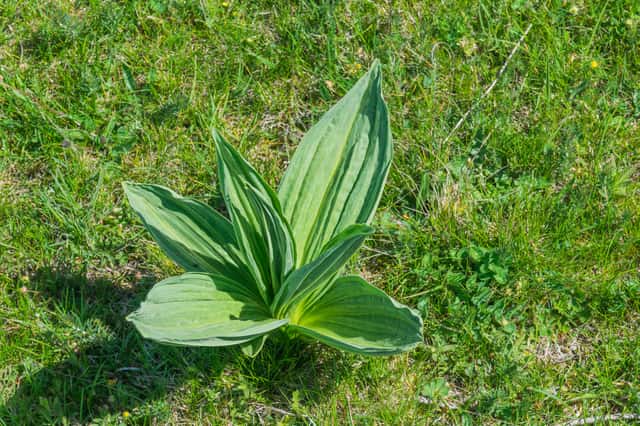
Gentianaceae
Gentian: Medicinal Uses & Care Tips
Gentiana
Give gentians full sun to light shade, evenly moist but well-drained, humus-rich soil, and cool root conditions. Avoid waterlogging and hot, humid summer sites; most species are hardy perennials for rock gardens, borders and containers in temperate climates.
Every 7 days
Bright indirect
° - °C
% - %
Categories
What is Gentian?
Gentian (Gentiana) is a medium-care plant from the Gentianaceae family. Gentiana is a large genus of roughly 400 flowering plant species in the Gentianaceae family, prized for their intensely blue, trumpet- or bell-shaped blooms. Native to alpine meadows, mountain slopes and cool temperate grasslands across Europe, Asia, the Americas and East Africa, gentians range from...
Gentian grows up to 2.0m, watering every 7 days. It is not suitable for indoor environments and safe for pets.
Unlike many popular species, Gentian is safe to keep around pets.
How to Care for Gentian?
TLDR: Gentian needs Bright indirect, watering every 7 days, and temperatures between 15-30°C with 40-70% humidity.
How Often Should You Water Gentian?
Keep soil evenly moist but never soggy -- water when the top layer starts to dry, and ensure sharp drainage since gentians are highly prone to root rot in waterlogged soil.
How Much Light Does Gentian Need?
Grow in full sun for the best flowering, though many species appreciate light shade or protection from harsh afternoon sun in hot climates.
What Is the Best Soil for Gentian?
Use a humus-rich, gritty, well-draining soil with a pH between about 5 and 7.5; crumbly, non-waterlogged soil matters more than high fertility.
What Pot Should You Use for Gentian?
A shallow, wide terracotta or hypertufa trough pot with generous drainage holes suits gentians' shallow, spreading roots and mimics their rocky alpine habitat.
Care Schedule
Fertilize
Every 14 days
Misting
Every 3 days
Rotate
Every 7 days
Repot
Every 365 days
What Is Gentian and Where Does It Come From?
Gentiana is a large genus of roughly 400 flowering plant species in the Gentianaceae family, prized for their intensely blue, trumpet- or bell-shaped blooms. Native to alpine meadows, mountain slopes and cool temperate grasslands across Europe, Asia, the Americas and East Africa, gentians range from tiny cushion-forming alpines only a few centimeters tall to taller woodland species over a metre high. They are cool-climate perennials that thrive in humus-rich, well-drained soil and struggle in hot, humid summers. Long cultivated in rock gardens and used medicinally (gentian root is a classic bittering agent), the genus is celebrated for its vivid color and resilience in harsh mountain conditions.
How to Propagate Gentian?
Division
- Divide established clumps in early spring or right after flowering
- Replant divisions immediately in gritty, humus-rich soil
- 1 Lift the clump
Carefully dig up the plant in early spring or after flowering.
- 2 Split the crown
Separate into sections each with roots and shoots.
- 3 Replant
Plant divisions promptly at the same depth in prepared soil.
Materials needed:
Seed
- Sow fresh seed as it often loses viability quickly
- Cold-stratify seed for about 8 weeks to break dormancy
- 1 Stratify
Chill seeds in moist medium at about 4C for 6-8 weeks.
- 2 Sow
Sow in a gritty, humus-rich seed mix in a cold frame.
- 3 Grow on
Germination is slow and irregular; keep moist and be patient.
Materials needed:
How Big Does Gentian Grow?
TLDR: Gentian can reach up to 2.0m tall with Slow growth rate.
Max height
2.0m
Growth rate
Slow
Foliage
Evergreen
Plant Uses
Ornamental
Great for decoration
Medicinal
Medicinal properties
Medicinal Uses
- Root used as a traditional bitter tonic for digestion
- Used in herbal bitters and appetite stimulants
Culinary Uses
- Root used to flavor bitter liqueurs and aperitifs (e.g. Suze, gentian bitters)
Is your plant showing symptoms?
Click on the symptom to discover possible causes:
What Diseases Commonly Affect Gentian?
TLDR: Gentian is susceptible to 5 known diseases. Monitor regularly for early detection.
Rust
Rust is a common fungal disease caused by fungi in the order Pucciniales that affects a wide variety of plants. The disease gets its name from the characteristic orange, yellow, or reddish-brown pustules that appear on leaves, resembling metal rust. This obligate fungal parasite requires living plants to survive and can cause significant economic losses in agricultural crops.
Aphids
Aphids are small, soft-bodied, pear-shaped insects (1/16 to 1/8 inch long) that feed by sucking nutrient-rich sap from plants. They reproduce rapidly and can quickly weaken plants, causing distorted growth and transmitting plant viruses. Aphids come in various colors including green, black, red, yellow, brown, and gray. They secrete honeydew, a sticky substance that attracts ants and encourages sooty mold growth.
Spider Mites
Spider mites are tiny arachnids (less than 1/20 inch long) related to spiders and ticks that feed on plant sap. They thrive in hot, dry conditions and can cause significant damage to ornamental and vegetable plants. During severe infestations, crop losses can reach 14% or higher as these pests disrupt vital plant processes including photosynthesis, carbon dioxide absorption, and transpiration.
Slugs and Snails
Slugs and snails are mollusks that feed on plant tissue, causing irregular holes in leaves and damage to young seedlings. They are most active at night and in moist conditions, leaving characteristic silvery slime trails. These pests can quickly devastate gardens, especially during wet seasons.
Meaning & Symbolism
Gentian symbolizes intrinsic worth, justice and victory over adversity, honoring quiet inner strength and resilience in the face of hardship.
Compare with similar plants
| Attribute | Difficulty | Light | Watering | Pet Safe |
|---|---|---|---|---|
| Dark Fieldcap | Medium | Low light | 2d | ⚠️ |
| Azalea | Medium | Partial shade | 3d | ⚠️ |
| Bougainvillea | Medium | Direct sun | 7d | ⚠️ |
| Wild Lettuce | Medium | Direct sun | 7d | ⚠️ |



