Orchidaceae
Easter Cattleya: Aromatic Plant
Cattleya intermedia
A moderately challenging orchid best grown in well-draining bark-based medium. Requires bright indirect light, 40–85% humidity, weekly watering with dry-out periods between waterings, and moderate temperatures. A night-temperature drop is essential to trigger blooming.
Every 7 days
Bright indirect
12.7° - 35°C
40% - 85%
Categories
What is Easter Cattleya?
Easter Cattleya (Cattleya intermedia) is a medium-care plant from the Orchidaceae family. Cattleya intermedia is an epiphytic orchid native to the Atlantic coastal forests of southern Brazil (São Paulo, Santa Catarina, and Rio Grande do Sul states), as well as Uruguay and Argentina. It grows on rocks and tree branches in humid coastal environments. The species produces large, fragrant, l...
Easter Cattleya grows up to 50cm, spread of 30cm, watering every 7 days, 12.7°C – 35°C, 40–85% humidity. It is suitable for indoor environments and safe for pets.
Unlike many popular species, Easter Cattleya is safe to keep around pets. Without adequate drainage, root rot can develop within 14 days.
How to Care for Easter Cattleya?
TLDR: Easter Cattleya needs Bright indirect, watering every 7 days, and temperatures between 12.7-35°C with 40-85% humidity.
How Often Should You Water Easter Cattleya?
Water thoroughly then allow the medium to dry almost completely before watering again — Cattleyas thrive on quick wet/dry cycles. Once per week is typically sufficient. Avoid water pooling in the crown or at the base of pseudobulbs.
How Much Light Does Easter Cattleya Need?
Provide bright, indirect light of 21,500–37,700 lux (2,000–3,500 foot-candles). Indoors, a south- or west-facing window with a sheer curtain works best. Bright green leaves indicate adequate light; dark green means more light is needed.
What Is the Best Soil for Easter Cattleya?
Use a well-draining medium-to-coarse orchid bark mix. For indoor growing, blend in 25–33% sphagnum moss. Never use regular potting soil — excessive moisture retention leads to root rot.
What Pot Should You Use for Easter Cattleya?
Clay or terracotta pot, or a wooden slatted basket with orchid bark. Terracotta promotes faster drying of the medium, which Cattleyas prefer.
Care Schedule
Fertilize
Every 14 days
Misting
Every 3 days
Rotate
Every 7 days
Repot
Every 365 days
What Is Easter Cattleya and Where Does It Come From?
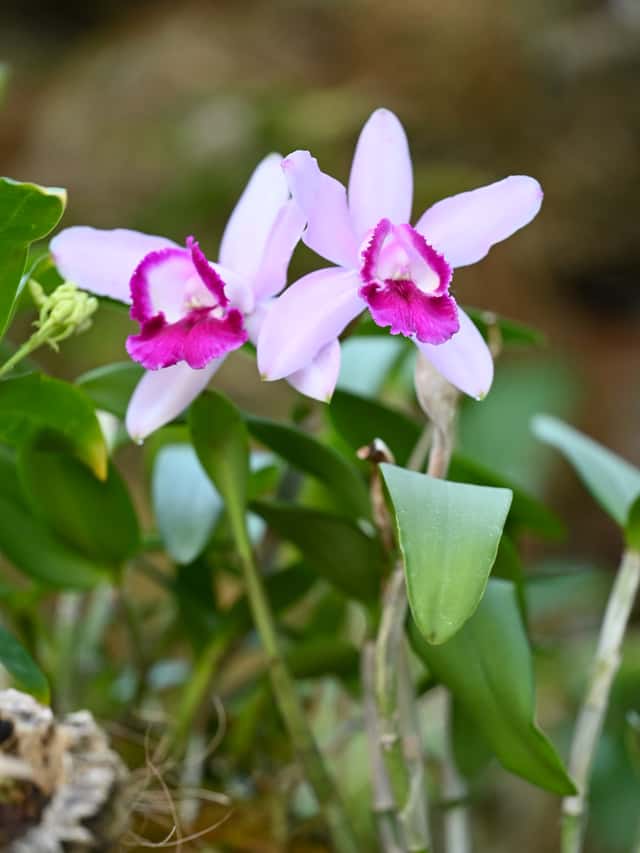
Cattleya intermedia is an epiphytic orchid native to the Atlantic coastal forests of southern Brazil (São Paulo, Santa Catarina, and Rio Grande do Sul states), as well as Uruguay and Argentina. It grows on rocks and tree branches in humid coastal environments. The species produces large, fragrant, long-lasting flowers in white, lavender, and pale pink with a vibrant magenta lip, blooming in spring and summer.
How Big Does Easter Cattleya Grow?
TLDR: Easter Cattleya can reach up to 50cm tall with Slow growth rate.
Max height
50cm
Spread
30cm
Growth rate
Slow
Foliage
Evergreen
Plant Uses
Ornamental
Great for decoration
Aromatic
Pleasant fragrance
Is your plant showing symptoms?
Click on the symptom to discover possible causes:
What Diseases Commonly Affect Easter Cattleya?
TLDR: Easter Cattleya is susceptible to 20 known diseases. Monitor regularly for early detection.
Root Rot
Root rot is a serious fungal disease that affects the root system of plants, causing them to decay and die. It is primarily caused by overwatering, poor drainage, or soil-borne fungi such as Pythium, Phytophthora, Rhizoctonia, and Fusarium. The disease thrives in waterlogged conditions where roots are deprived of oxygen, making them susceptible to fungal infection.
Phytophthora Root Rot
Disease caused by fungus-like organisms (oomycetes) that live in soil and can survive for years. It affects roots, stem, and crown of plants, being especially severe in waterlogged or poorly drained soils. It is the second most common cause of root rot in trees and shrubs.
Pythium Root Rot
Pythium root rot is a serious fungal disease caused by various Pythium species including P. aphanidermatum, P. ultimum, and P. irregulare. These water molds are present in practically all cultivated soils and attack plant roots under wet conditions, causing rapid wet rot that can extend into the stem. The disease is favored by poor drainage, overwatering, and specific temperatures depending on the species.
Leaf Spot
Leaf spot is a common fungal disease caused by various pathogens including Alternaria, Ascochyta, Colletotrichum, Septoria, and Venturia. It primarily affects leaves, causing discolored spots that can lead to premature leaf drop if left untreated.
Meaning & Symbolism
Symbol of love, luxury and refined beauty; widely used in corsages and floral arrangements in Brazil
Fun Facts
Cattleya intermedia is native to the Atlantic Forest of southern Brazil, growing on rocks and tree branches in coastal humid forests.
Its flowers are highly fragrant and can last 2 to 4 weeks on the plant.
It is one of the most widely used orchid species in hybridization programs, prized for its flower shape and vivid lip color.
Cattleya intermedia is non-toxic to cats, dogs, and humans — making it pet-friendly.
A consistent night temperature drop of 5–8°C below daytime temperatures is key to stimulating flowering.
Compare with similar plants
| Attribute | Difficulty | Light | Watering | Pet Safe |
|---|---|---|---|---|
| Azalea | Medium | Partial shade | 3d | ⚠️ |
| Wild Lettuce | Medium | Direct sun | 7d | ⚠️ |
| Cape Primrose | Medium | Partial shade | 7d | ✓ |
| Honey Locust | Medium | Direct sun | 14d | ✓ |