Phyllanthaceae
White-Berry Bush: Flueggea virosa Growing Guide
Flueggea virosa
Grow in full sun to partial shade with well-draining soil and moderate watering — this shrub tolerates extended dry spells once established. Light pruning helps maintain a bushy shape and encourages fruiting.
Every 10 days
Bright indirect
5° - 40°C
30% - 70%
Categories
What is White-Berry Bush?
White-Berry Bush (Flueggea virosa) is a easy-care plant from the Phyllanthaceae family. Flueggea virosa, commonly known as the white-berry bush or simpleleaf bushweed, is a woody, multistemmed shrub of the Phyllanthaceae family, native to the tropical and subtropical regions of Africa and Asia. It grows rapidly into dense thickets 2 to 4 meters tall, with slender branches that can appe...
White-Berry Bush grows up to 4.0m, spread of 300cm, watering every 10 days, 5°C – 40°C, 30–70% humidity. It is not suitable for indoor environments and safe for pets.
Unlike many tropical plants, White-Berry Bush tolerates watering mistakes. Best for beginners. Unlike many popular species, White-Berry Bush is safe to keep around pets.
How to Care for White-Berry Bush?
TLDR: White-Berry Bush needs Bright indirect, watering every 10 days, and temperatures between 5-40°C with 30-70% humidity.
How Often Should You Water White-Berry Bush?
Water moderately, letting the soil dry out between waterings; avoid waterlogging to prevent root rot.
How Much Light Does White-Berry Bush Need?
Prefers full sun but tolerates partial shade; more light means stronger flowering and fruiting.
What Is the Best Soil for White-Berry Bush?
Well-draining soil, slightly acidic to neutral (pH 6.0-7.5); tolerates poor and rocky soils.
What Pot Should You Use for White-Berry Bush?
Large terracotta or ceramic pots with good drainage, best suited for outdoor cultivation or as a hedging plant
Care Schedule
Fertilize
Every 60 days
What Is White-Berry Bush and Where Does It Come From?
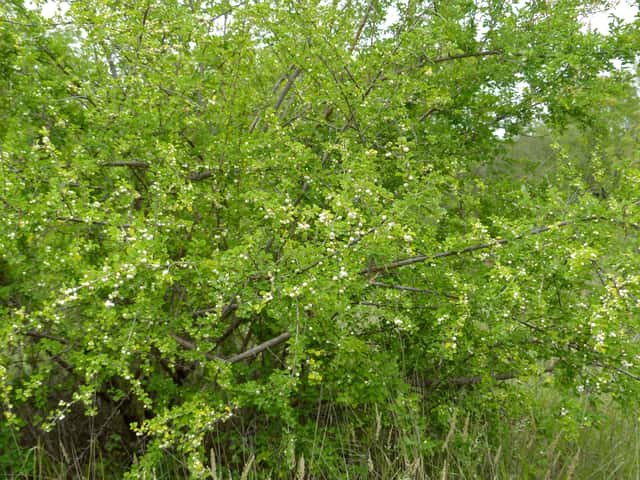
Flueggea virosa, commonly known as the white-berry bush or simpleleaf bushweed, is a woody, multistemmed shrub of the Phyllanthaceae family, native to the tropical and subtropical regions of Africa and Asia. It grows rapidly into dense thickets 2 to 4 meters tall, with slender branches that can appear thorn-like. Its flowers are small and creamy-green, understated but attractive to pollinators, followed by round, fleshy white berries that turn sweet upon ripening and are relished by birds and local wildlife. This extremely hardy plant tolerates drought and heat well, thriving even in poor, rocky soils, which makes it a valuable choice for low-maintenance landscaping, hedging, and land restoration projects. In traditional African medicine, its roots, bark, and fruits are widely used to treat snakebites, malaria, diarrhea, and inflammation.
How to Propagate White-Berry Bush?
Seed Propagation
Cold stratification can help break seed dormancy and improve germination. Germination is usually good but can be slow and uneven.
- 1 Collect ripe fruits and soak them in water for a day to soften the pulp
- 2 Rub and rinse the seeds thoroughly to remove all pulp
- 3 Lightly scarify the seed coat by sanding or soaking in hot water for 24 hours
- 4 Sow in well-draining medium within a month of collection
- 5 Keep the medium moist until germination
Materials needed:
Stem Cutting
Propagate during the growing season for best results.
- 1 Take a healthy semi-hardwood stem cutting
- 2 Plant in well-draining soil mix
- 3 Keep the soil lightly moist until roots develop
Materials needed:
How Big Does White-Berry Bush Grow?
TLDR: White-Berry Bush can reach up to 4.0m tall with Fast growth rate.
Max height
4.0m
Spread
3.0m
Growth rate
Fast
Foliage
Evergreen
Plant Uses
Medicinal
Medicinal properties
Edible
Can be consumed
Ornamental
Great for decoration
Medicinal Uses
- Traditional treatment for snakebites
- Used against malaria and infections
- Treatment for diarrhea and gastrointestinal issues
- Used for inflammation and rheumatism
Culinary Uses
- Sweet white berries eaten fresh when ripe
Is your plant showing symptoms?
Click on the symptom to discover possible causes:
What Diseases Commonly Affect White-Berry Bush?
TLDR: White-Berry Bush is susceptible to 2 known diseases. Monitor regularly for early detection.
Whiteflies
Whiteflies are small, soft-bodied, winged insects closely related to aphids and mealybugs. They are moth-like in appearance, about 1/16 inch long, triangular in shape, and gray-white in color. These sap-sucking pests feed on plant tissue, causing yellowing, stunted growth, and wilting. They also excrete honeydew, which attracts ants and promotes sooty mold growth. Whiteflies can transmit serious plant viruses.
Root Rot
Root rot is a serious fungal disease that affects the root system of plants, causing them to decay and die. It is primarily caused by overwatering, poor drainage, or soil-borne fungi such as Pythium, Phytophthora, Rhizoctonia, and Fusarium. The disease thrives in waterlogged conditions where roots are deprived of oxygen, making them susceptible to fungal infection.
Meaning & Symbolism
A symbol of resilience and healing in traditional African culture, associated with protection and folk medicine.
Fun Facts
The species name "virosa" comes from the Latin word for "poisonous," yet the plant is not toxic and its fruit is edible
It is dioecious, meaning individual plants are either male or female
In traditional Africa, its flexible branches are used to make fish traps
It attracts birds and butterflies, making it great for biodiversity-friendly gardens
Frequently asked questions
Is Flueggea virosa toxic?
How long does it take to germinate?
Is this plant drought tolerant?
Can I grow it in a pot?
Compare with similar plants
| Attribute | Difficulty | Light | Watering | Pet Safe |
|---|---|---|---|---|
| Field Maple | Easy | Bright indirect | 14d | ✓ |
| Silver Birch | Easy | Direct sun | 14d | ✓ |
| Cushion Bush | Easy | Direct sun | 14d | ✓ |
| Peruvian peppertree | Easy | Direct sun | 14d | ⚠️ |